Priston Tale
About the game
Priston Tale is a Korean action MMORPG that launched in 2001 and reached English-speaking players in 2004. More than two decades later it's still standing, and it's still exactly what it always was: open maps packed with fast-respawning monsters, a character that grows through sheer hours, and combat you hold together with your hand on the mouse. It doesn't pretend to be anything else — classic isometric grinding, no frills, with clans and PvP layered on top.
Classes, combat and the art of killing thousands
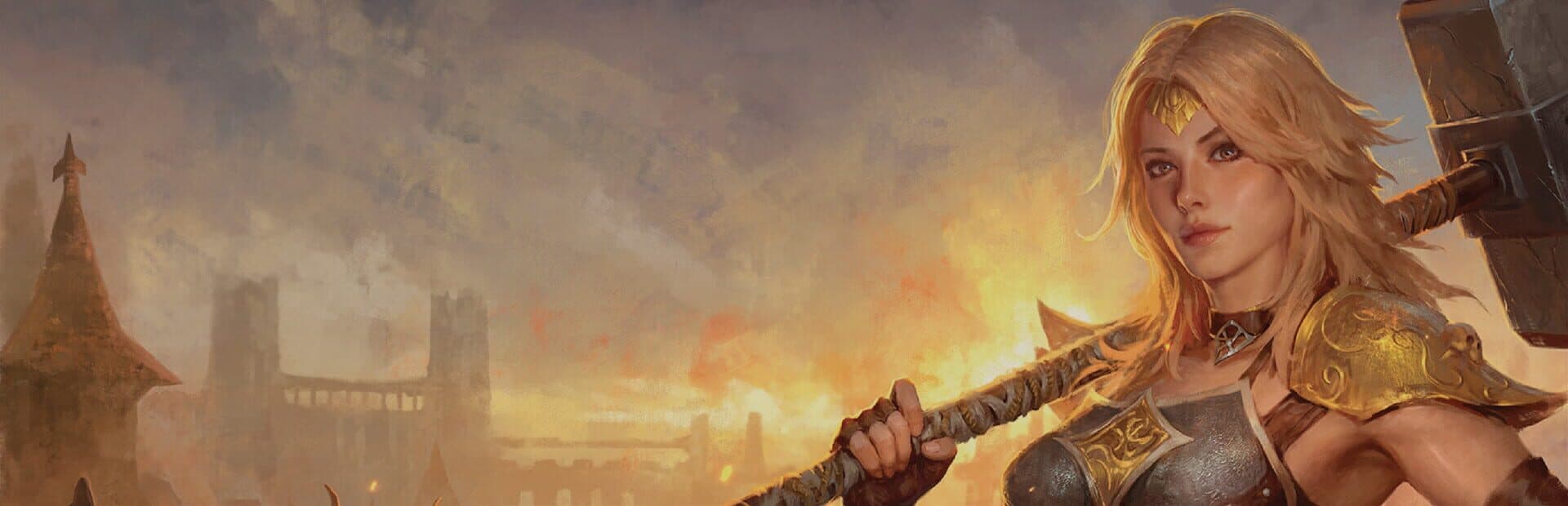
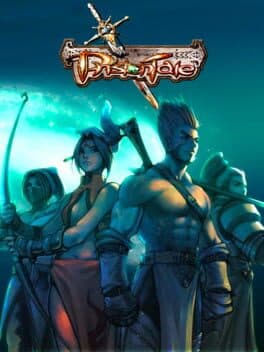
You travel the continent of Priston as one of its fixed classes: knight, fighter, archer, pikeman, mage and priestess are the original core, and more were added over the years —the Martial Artist arrived in 2018— splitting the tank, ranged, magic and support roles pretty cleanly. Each one unlocks its skill tree tier by tier, so progression feels like a staircase: you hit a number, something opens up, and that something changes how you clear a screen.
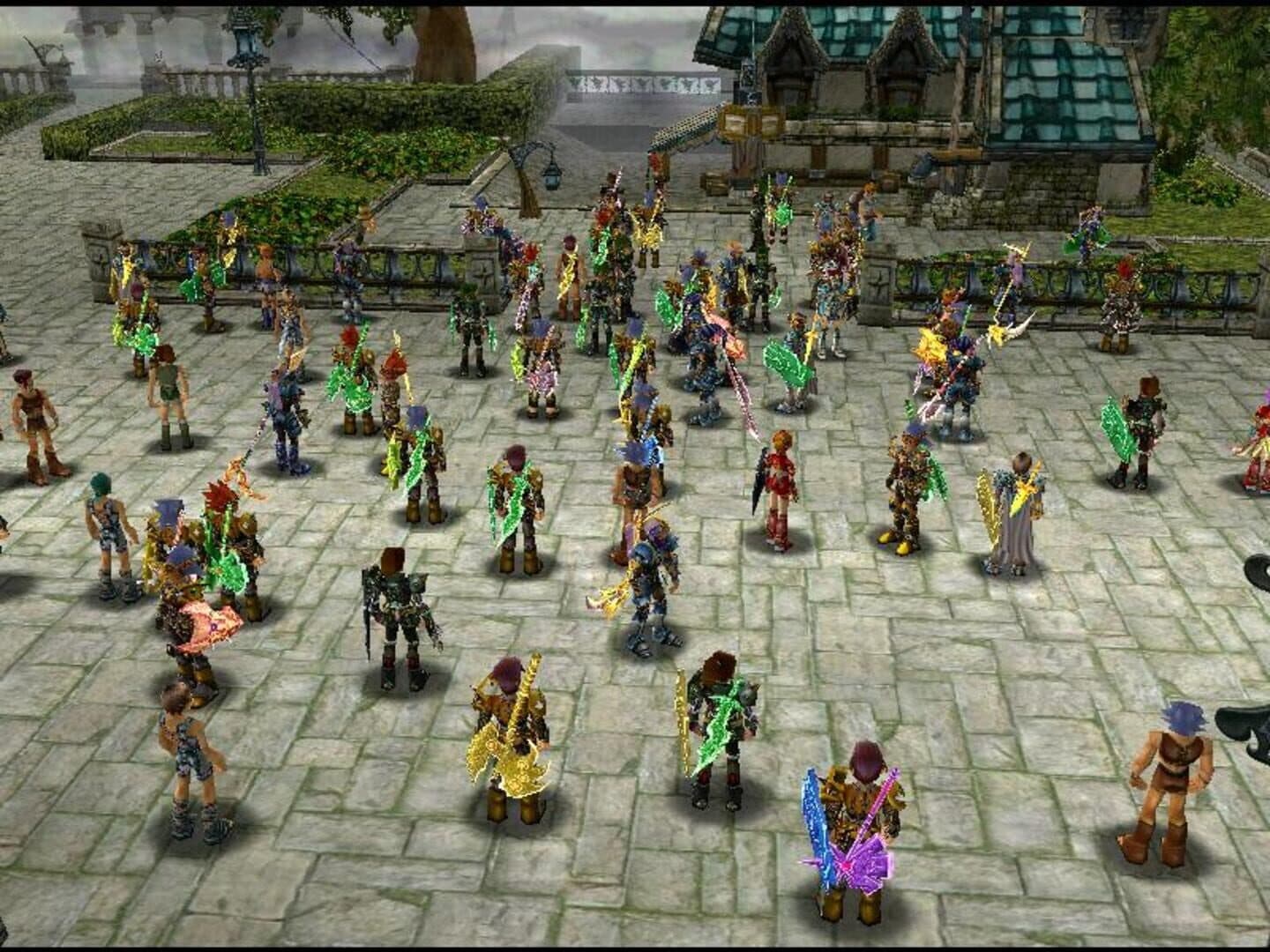
There's no auto-attack and no turn-based combat in disguise: you click, you chug a potion, you click again. That's where much of the charm comes from —the game is physical, loud and satisfying— and much of the fatigue too, because long sessions land in your wrist. There's real structure around the grind: clans, PvP for control of Bless Castle, competitive modes where several teams hold off waves to claim a zone, and a gear refinement system that can shatter the item if you push your luck too far. Visually it's a game of its era and doesn't try to hide it; for plenty of players, that's part of the appeal.
What you pay for and what you don't
Priston Tale started as a subscription game and went free to play in 2007. Since then there's been no monthly fee and no client purchase in any region: download it, play it, done. The money comes from the cash shop, and that's where it pays to look closely. It sells weapons, armor, accessories and consumables, but the heavy part of the model is convenience items and, above all, refinement items: since refining gear can destroy the piece, the shop sells exactly the insurance and boosters that cut that risk. That's the real lever of the business.
There's a second, less obvious layer: servers with different experience rates (the Brazilian ones run from 3x to 17x depending on the server), which in practice work as another way of selling time. There's no optional subscription and no season pass. If you never spend a cent you can still play everything and get everywhere, but you level slower and you refine with a lot more fear.
Where it stands today: alive, but scattered
The game is live, though how healthy it feels depends on where you play, because each region has its own publisher and its own pace. In Korea it's maintained by Masangsoft with in-house development and maps added well into this decade (official site). The English version is published by Suba Games (pt1.subagames.com): still online, still rotating events, but patch cadence is slow and the community complains about support. The busiest server today is the Brazilian one run by Zenit Games (zenit.games), with several active sub-servers —Awell, Migal, Midranda, Cronus and Idhas—, weekly maintenance and its own content, including classes and maps that don't exist in other versions.
The other side of the coin is part of the picture too: the Japanese server shut down in 2021 when its publisher stopped operating, and the sequel Priston Tale II closed its English service in 2013. The overall population is modest and heavily fragmented, with a large private-server scene absorbing a good share of the nostalgic crowd. There's no unified roadmap: each regional publisher announces its own things on its own schedule, so it's worth checking the state of a specific server before sinking a hundred hours into a character.
Who it's for (and who it isn't)
It's for players who enjoy the grind for its own sake: clearing maps, watching numbers climb, planning the next skill tier and playing alongside a clan that actually knows each other. If you liked the first wave of Korean MMORPGs —Ragnarok, Mu Online, Lineage— this sits in the same family, with twitchier combat and less ceremony. It's also a decent refuge if you want a persistent world without a battle pass, mandatory dailies or a chore list waiting for you every morning.
And it isn't for everyone, honestly: the interface and visuals are from 2001, there's little guidance for a new player, the English translation still carries twenty-year-old quirks, and the player base is scattered across official and private servers. A refinement system that can destroy your gear pushes hard toward the shop, and on the English version support and update frequency are weak. If those things stop you, there isn't much here that will change your mind. But if you want a direct action MMORPG with no fee and twenty-plus years of history behind it, Priston Tale is one of the few relics of that era that still lets you in.
Screenshots
Videos
Community reviews
Nobody has reviewed this game yet. You can be the first.