Age of Wushu Dynasty
About the game
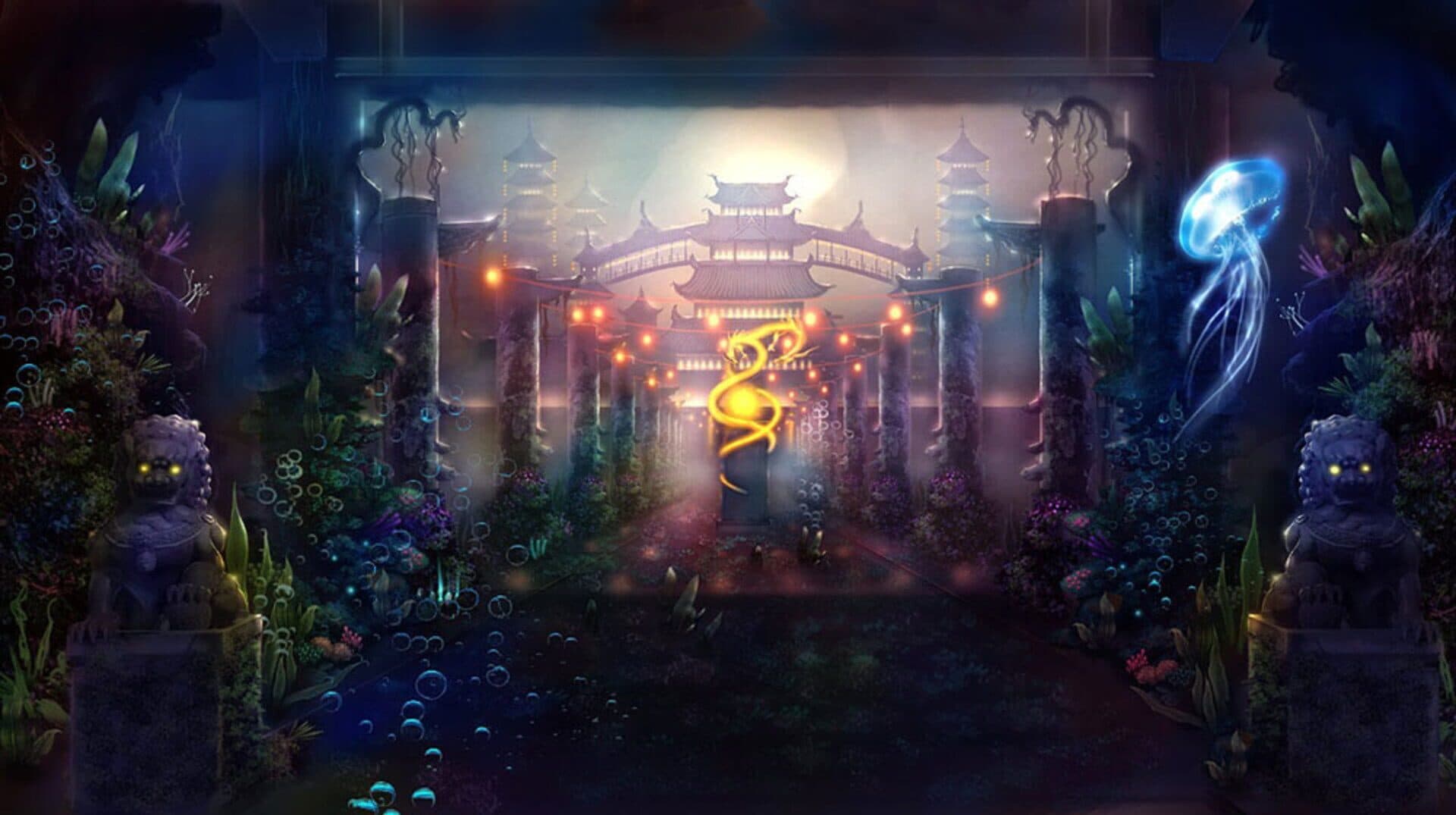
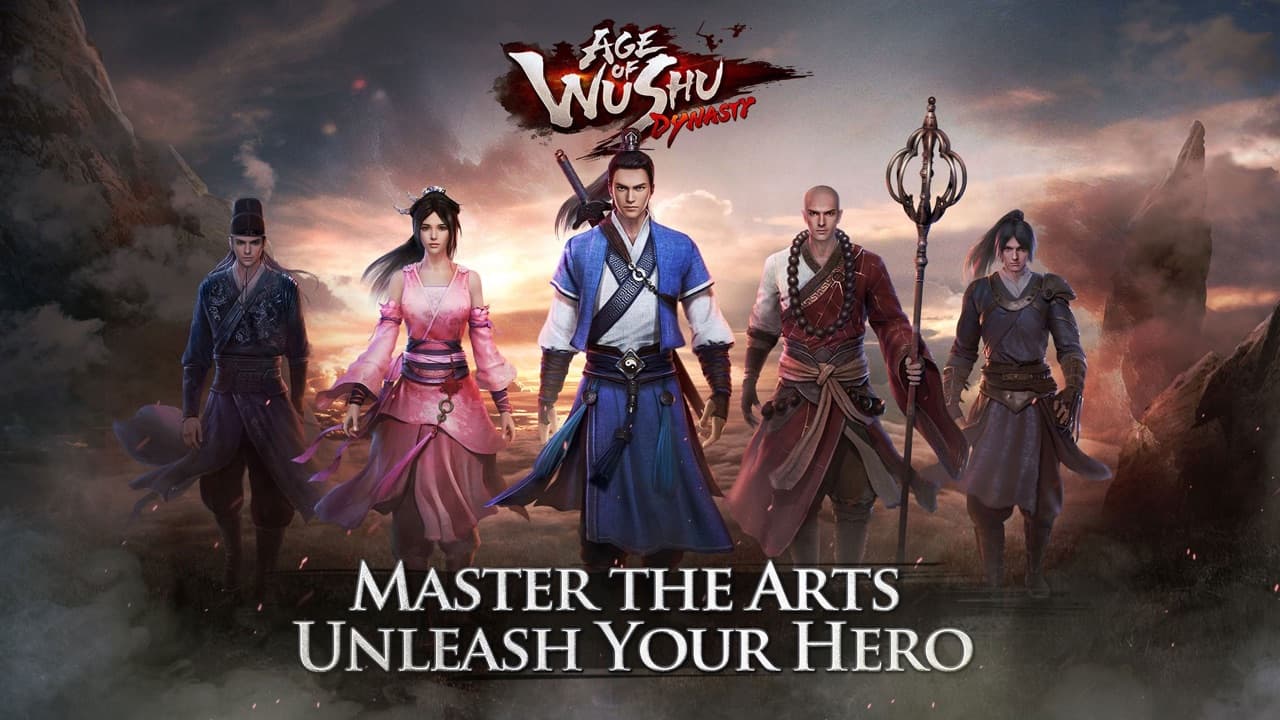
Age of Wushu Dynasty is the wuxia action MMORPG Snail Games built to carry its PC universe over to mobile back in January 2016. It's set in Ming dynasty China, runs on iOS, Android and on PC through Google Play Games, and it's free to play up front: no entry fee, no mandatory subscription, straight from the App Store or Google Play. It isn't a port of the PC sandbox but its own take on the same fantasy — martial arts, rival sects and rooftop duels, packaged for short sessions on a touchscreen.
Kung fu schools, not classes
The first thing you pick isn't a class, it's a martial arts school. Shaolin, Wudang, Emei and Tangmen were there at launch, and more sects were folded in over the years. Each school sets your weapon, the rhythm of your fights and the kung fu you're allowed to learn, but your character really comes together by stacking skills rather than climbing a fixed tree: two players from the same school can fight very differently depending on which internal and external sets they've cultivated. That collect-and-combine logic is the part of the PC original's spirit that survived the jump to mobile most intact.
Combat is the reason to stay
This is what sets it apart from almost any mobile MMORPG of its era. Combat is real-time action on a virtual stick, built around a parry, strike and feint triangle that plays out like rock-paper-scissors: reading your opponent matters as much as your gear, especially in 1v1 duels. On top of that sits qinggong, the floaty leaps that let a fight carry on through the air, up walls and across rooftops instead of staying glued to the ground. It looks great, but it's tactical too — the vertical chase is part of the duel, not decoration.
A world of instances, not a sandbox
If you're coming from the PC MMO, expect something different. The world here is carved into instances around a persistent town hub: from there you chain PvE stages, dungeons, 1v1 arenas, school wars and guild events. The sandbox freedom is gone — no espionage, no living open world, no deep professions — and what's left is a short-session structure with daily sweeps and clear objectives, which is honest about being a phone game. Organised PvP and guild life are the real endgame; PvE is mostly the road to showing up competitive.
What you pay for and what you don't
Playing costs nothing; the premium currency is Gold, and in-app purchases run from under a dollar to around a hundred, on a curve that clearly rewards the big ticket. Gold buys upgrade materials, gear and weapon chests, silver, cultivation stones, keys and stamina pills. On top of that sit VIP, Month Card and Season Card subscriptions that hand out free daily sweeps and raised caps; their prices and tiers aren't published anywhere public, so you'll only see them in-game.
There's monetised randomness, and it isn't a rumour: Apple lists the loot boxes descriptor, Google Play declares purchases with random items, and updates have added a black market with its own gambling mechanic. The pay to win is real, and it's been the single most repeated complaint since 2016: you can reach the endgame without spending, but the gap in gear and progression speed against someone who pays is obvious, above all in PvP. Go in knowing it — as a free player there's a competitive ceiling, and the community says so bluntly in store reviews.
Where it stands today
The game is live and still being patched, but it's clearly in its twilight. The cadence has collapsed: from roughly four updates a year in 2021-2022 down to one or two, with an eighteen-month gap between 2022 and 2023. The upside is that new content is real rather than cosmetic — new families and sects, modes like Snow Fight and Total War, internal-skill duels, a dedicated island, a talent tree, martial arts halls — so when an update lands, it brings something to do.
The flip side is everything around the game. Population can't be measured from public sources, but the signals are weak: repeated server merges, complete with warnings that characters inactive for over a year get deleted, and very little fresh review activity. The community infrastructure is close to dark: the official site and forum went down, there's no official Discord, the game's social accounts have been quiet for a long stretch, and patches are announced only in the store changelogs. Add to that the removal of Facebook login, which left a number of players locked out of their accounts — today the most cited problem in recent reviews.
Who is it for?
It's for anyone who wants a wuxia action MMORPG in their pocket and values reading an opponent over technical polish: if the idea of feint duels and rooftop chases appeals to you, mobile doesn't offer many alternatives. It also works if you want a game with an active guild and a short daily routine. It's a bad fit if you were hoping for the PC sandbox, if pay to win ruins PvP for you, or if you need a big community and steady official communication — what you're stepping into is a world running on inertia and its veterans. Trying it costs nothing; what deserves careful thought is how much you're willing to sink into a game that's already past its peak.
Screenshots
Videos
Community reviews
Nobody has reviewed this game yet. You can be the first.