Reverse: 1999
About the game
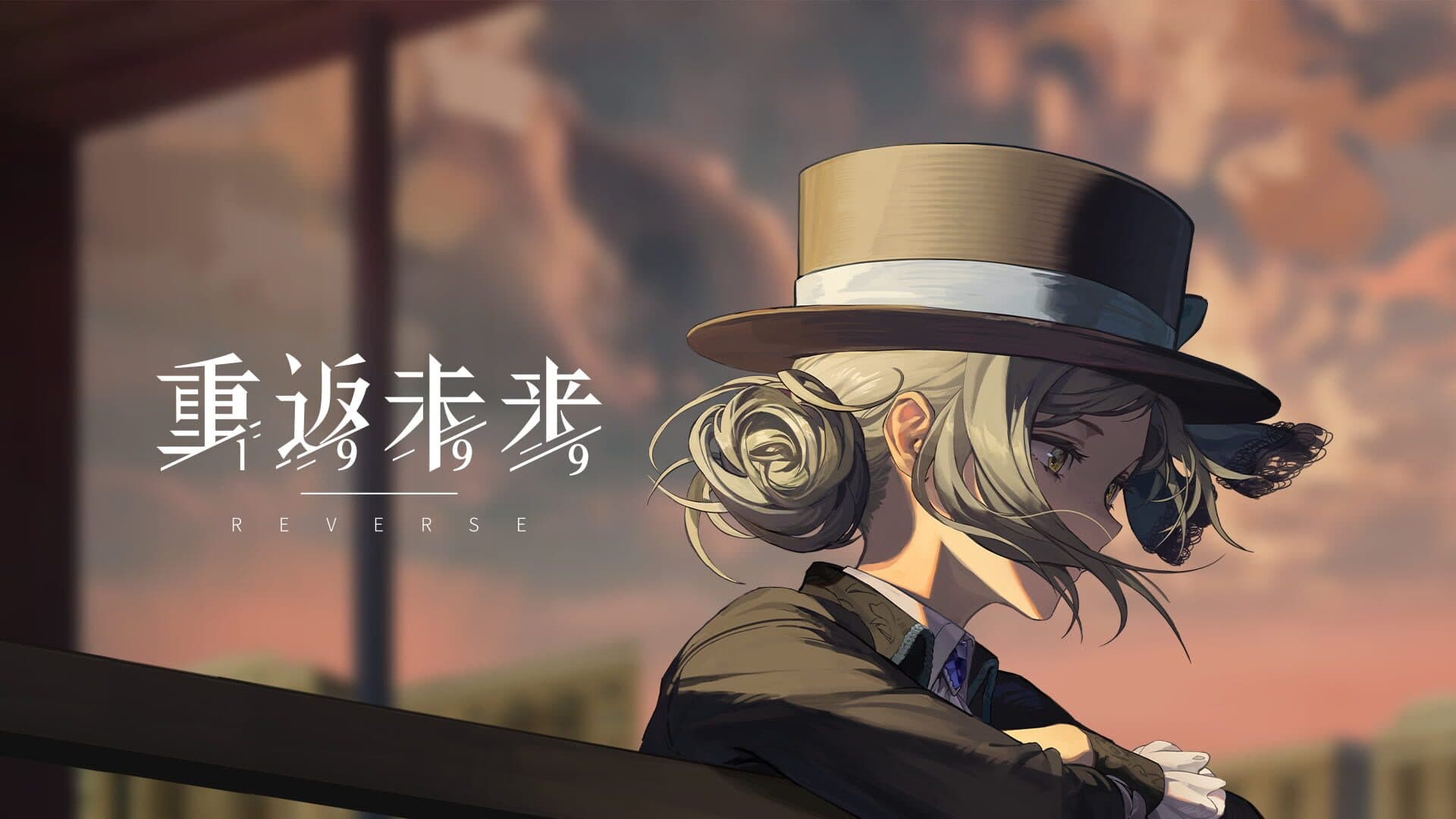
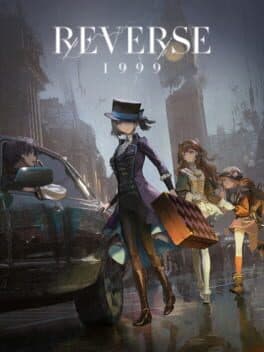
Reverse: 1999 is a turn-based tactical gacha RPG developed and published by Bluepoch, set in an alternate 20th century where magic — the Arcanum — coexists with real history. The premise opens on the last night of 1999: a Storm begins rewinding time, and Vertin, a Timekeeper able to move between decades on behalf of the St. Pavlov Foundation, travels through the '20s, the '60s and the '90s pulling Arcanists out before their era swallows them. It is free to play and available on PC (its own client and Steam), Android and iOS, with shared progress across platforms.
A card game, not a reflex test
Fights play out through incantation cards: every character contributes their own to a shared hand, two identical cards merge into a stronger version, and you decide what to play, in what order and against which enemy. Layered on top is Moxie, the resource that builds up each turn and unlocks ultimates. The result is a system that is slow on purpose, closer to a puzzle than to an action gacha: there are no dodges or reaction windows, just turn planning, status-effect control and afflatus synergies. Outside of combat sits the Wilderness, a private island you decorate and manage to produce upgrade materials in the background.
What actually sets it apart
Presentation is the game's strongest argument. The period art shifts register depending on which decade you are visiting, the English voice work uses carefully chosen regional accents — a rarity in the genre — and the script is long, dense and at times deliberately strange, sitting closer to a visual novel than to a quest-chaining RPG. Some chapters read like literature and others drag; the story opens more doors than it closes, and not every mystery gets resolved. Anyone hoping to skip the text will find a great deal of text to skip.
What you pay for and what you don't
This is free to play in the honest sense: free download, the entire main story accessible without spending, no paid progression and no gear boxes. The only things actually for sale are the chance to pull specific characters and cosmetics. The gacha drops 6★ at a 1.5% base rate, with soft pity ramping up around 60 pulls, hard pity at 70, and a 50/50 system that guarantees the featured unit on your next pity if you lost the first roll. Subscriptions are cheap by genre standards: the monthly pass runs about 5 USD and returns roughly 15 pulls' worth of currency, the battle pass is sold per patch and bundles a skin and an icon, and standalone skins cost 880 Crystal Drops each.
The community places it firmly on the generous end of the genre. Between events, mailbox rewards and anniversary handouts, a player who spends nothing accumulates on the order of 900 pulls a year — more than enough to build a competent roster and clear every story chapter with what the game gives away. Money speeds up assembling specific teams; it doesn't unlock content.
Current state and support
The game is live and in active development, on a steady cadence of a major patch every six weeks carrying a story chapter, new characters, an event mode and rotating challenge content. The Euphoria system — added well after launch — is how older characters climb back into the meta with extra passives and stats, which softens the genre's usual sunk-investment problem considerably. The roadmap is published patch by patch on the official site.
It is not a mass phenomenon on the level of the market's biggest gacha titles, but product health is solid: mostly positive Steam reviews, mobile revenue strong enough to sustain production, and full, simultaneous support across the global, Chinese, Japanese and Korean versions. Nothing about it suggests a game near the end of its life.
Who it's for (and who it isn't)
It is for players who want a gacha they think their way through and read at their own pace: turn-based combat with real decisions, an unusual setting and writing with genuine ambition. It also works well as a secondary game — short daily sessions, spikes of activity when a patch lands — without punishing anyone who takes a week off.
It isn't for everyone. The pacing can feel heavy — there are long dialogue stretches before every fight — the difficulty curve gets demanding in endgame content and leans on building teams around specific synergies, and the story sometimes falls in love with its own strangeness and leaves threads hanging. If you want action, fast progression or an open world to explore, this isn't it. If a turn-based RPG with a voice of its own and no real pressure to open your wallet sounds appealing, there are few games like it.
Screenshots
Artworks
Videos
Community reviews
Nobody has reviewed this game yet. You can be the first.