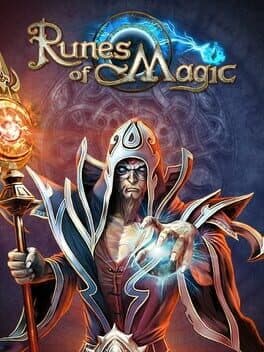
Runes of Magic
About the game
Runes of Magic is a free-to-play fantasy MMORPG set in Taborea, a world shaped by divine language where heroes hunt fragments of a sacred script —the runes— while fighting strange creatures and digging through a long, dangerous history. It was built by Taiwanese studio Runewaker Entertainment and brought to the West by Gameforge (originally Frogster). When it launched, in 2009, it was one of the most ambitious free answers to World of Warcraft, borrowing almost everything from it: the art style, the class lineup, hotkey combat and gathering-and-crafting professions.
What sets it apart
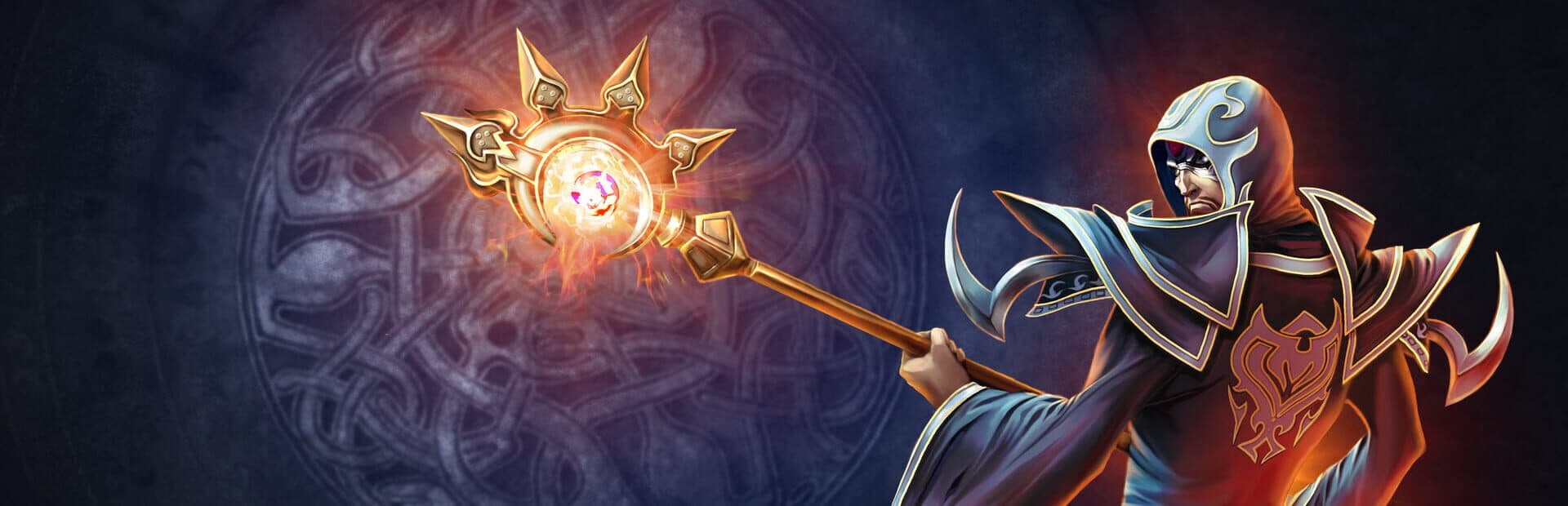
If it only copied Blizzard's formula it would be a footnote, but it has two ideas of its own that still carry it. The first is the dual-class system: every character pairs a primary and a secondary class, and out of that mix come dozens of hybrid builds with crossed skills, opening up a huge space of customization for its time. The second is player housing: your home —and later your castle— isn't just decoration, it grants real gameplay bonuses. Between the two, the game rewards experimenting with builds and coming back to your base often.
The business model
It's pure free-to-play: no upfront purchase, no subscription, and all the content is reachable without paying. The money comes from the item shop, which uses Diamonds as a premium currency bought with real money (or with your Steam Wallet on that version). The catch, and it's worth saying plainly, is what the shop sells: alongside mounts, pets and cosmetics, it offers key progression boosters —stones to upgrade gear, skill resets, experience potions, inventory expansions— and the competitive endgame pushes hard toward spending. You can play the whole thing without opening your wallet, but go in knowing the shop weighs heavier and heavier the higher you climb. You can install it and make an account from the official Gameforge site or on Steam.
Where it stands today
The game is still live under Gameforge, on the 7.4.x patch line. Over the past few years it's gotten minor tweaks —class rebalancing, a leveling-curve revamp, new Mirrorworld/Timeless-style instances and the rotating seasonal festivals— but the last major expansion with new content was Chapter V — Fires of Shadowforge, back in 2012. Since then development has been essentially maintenance. The population is small and declining, on the order of a few hundred concurrent players, with the German servers the most active. In short: a huge world that was finished more than a decade ago and is kept running rather than grown.
Who is it for?
It's an old-school free-to-play classic: sprawling, dated, and kept alive by the players who love it. It'll speak most to anyone chasing late-2000s theme-park MMO nostalgia, who enjoys getting lost in a deep class system and doesn't mind an interface and presentation that show their age. It isn't the way into the genre in 2026, nor a game with a massive community: if you want packed servers, a steady stream of new content, or an economy that doesn't reward spending, you'll hit its limits fast. But if you like old, dense worlds with personality —and you come in with realistic expectations about the population and the shop— Taborea still has plenty left to explore.
Screenshots
Artworks
Videos
Community reviews
Nobody has reviewed this game yet. You can be the first.