City of Heroes
About the game
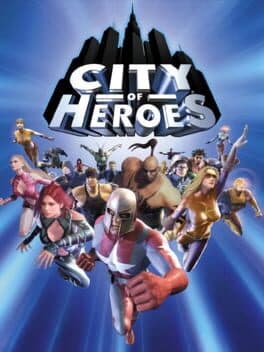
City of Heroes is the superhero MMORPG NCSOFT shipped in 2004 and shut down in 2012, and it's still standing today through an unusual route: a community server, Homecoming, which secured an official license in January 2024 to run the game and keep developing it. This isn't a remaster or a remake. It's the same game, with everything that ever shipped — City of Villains, the Going Rogue expansion, the Architect Entertainment mission creator — plus the content the current team has been adding since 2019.
The character creator is still the pitch
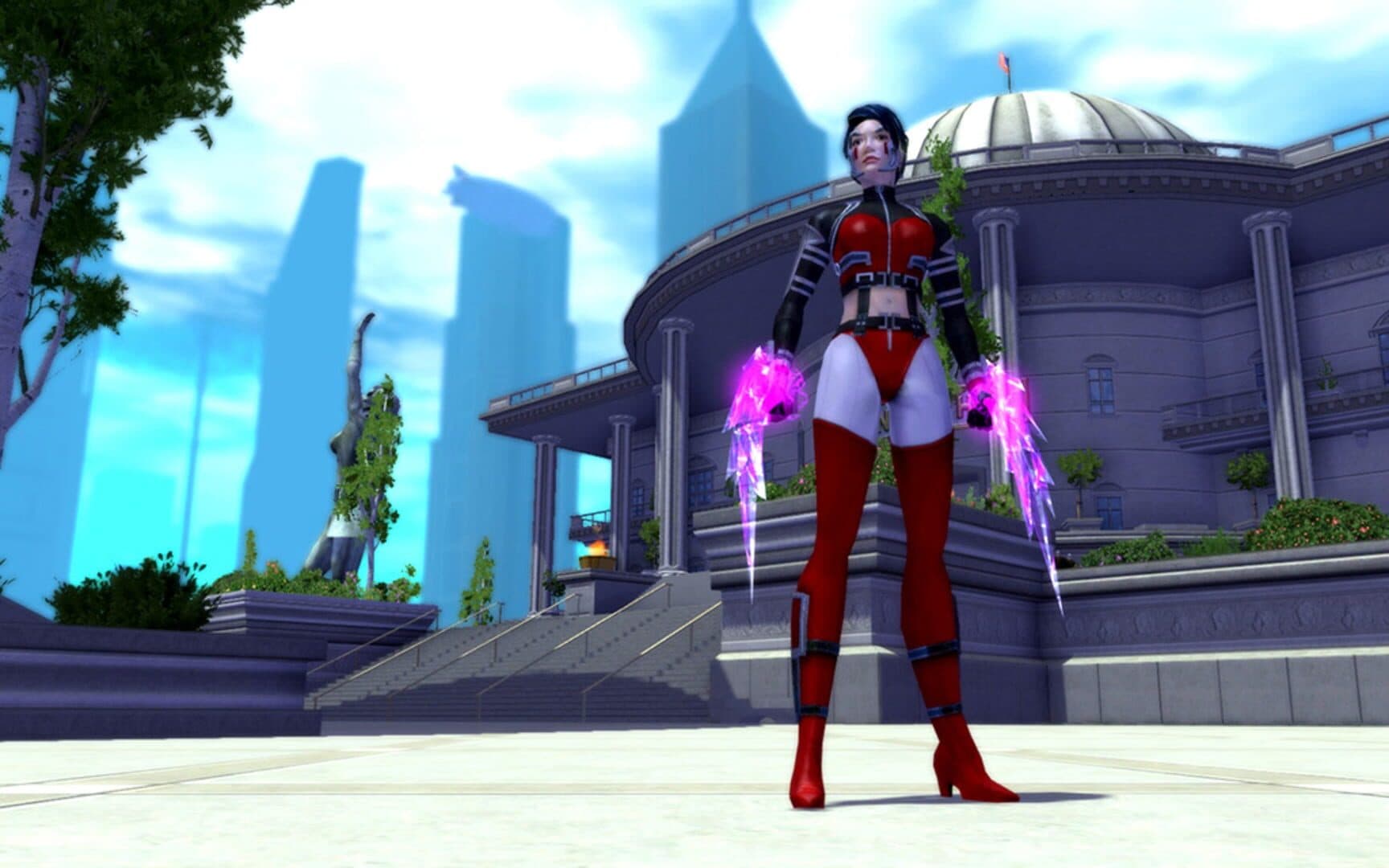
The first thing anyone does here is spend a solid hour in the creator, and for good reason. You pick an archetype — Blaster, Tanker, Controller, Defender, Scrapper and their villain counterparts — combine two power sets that define how your character actually fights, then build the costume piece by piece: helmets, capes, shoulders, patterns, color palettes, body scaling. Two decades on, very few games reach that level of detail, and none of them do it without charging for the parts. Two fire Blasters can look and play nothing alike, and that's a big part of why people keep coming back.
The rest is an action MMO set in comic-book Paragon City: open urban zones with enemies on every corner, instanced missions strung into story arcs, co-op task forces that can run for hours, and an Incarnate endgame that extends life at level 50. The piece that aged best is sidekicking and exemplaring: group up with someone at a different level and the game scales the numbers automatically, in both directions. Playing with a friend twenty levels ahead of you — or behind — was never an issue, something the genre still handles worse today.
What it costs: nothing
On Homecoming the game is completely free. No subscription, no item shop, no premium currency, no season passes. Everything that was once VIP or paid content — City of Villains, Going Rogue, the costume packs, extra character slots — is unlocked from your first login. That's a clean break with the game's own history: US$14.99 a month from 2004, then the City of Heroes: Freedom free-to-play hybrid from 2011, with Free/Premium/VIP tiers and Paragon Points. None of that survives.
The project runs on monthly donation rounds that open the last Saturday of each month and raise only what next month costs — around US$8,600. Once the target is hit, the window closes and no more money is accepted. Donating grants no in-game advantage whatsoever: no items, no cosmetics, no priority on anything. Worth noting too: other free City of Heroes private servers exist, but the NCSOFT license covers Homecoming alone — it's the only one operating with permission.
Where it stands: live and in development
The game is run by Homecoming Servers LLC, a remote team of thirty-plus people, under a limited NCSOFT license. This isn't a frozen server keeping the lights on: the Issue 28: Legacy patch line keeps adding task forces, mission arcs, power sets and full archetype reworks, with balance passes and tuning in between. The stated cadence is at least two major updates a year plus stability work, and it's only fair to say the dates slip — the big pages tend to land later than announced, though they do land. Patch notes go up on the project's own forums.
The population is spread across five shards with distinct personalities: Excelsior is the busiest and the safe pick if you want groups at any hour, Everlasting is the roleplay server, Torchbearer and Indomitable are smaller, and Reunion covers European hours. There's also a test server, Brainstorm, and experience bonuses on the quieter shards to spread people out. Total concurrency runs somewhere between 1,400 and 4,500 players depending on the time of day, with historical peaks near 4,400 after the license announcement. For a 2004 MMO revived by its own community, that's healthy: the looking-for-group channels work and task forces actually fill.
Who it's for, and what to expect
It's for anyone who wants a co-op MMO with no friction and no wallet: log in, make a character that's genuinely yours, join a street sweep or a task force, and play. It lands especially well with comics readers, with groups of friends at wildly different levels, and with anyone tired of shops, passes and premium currencies. It's also an enormous roleplay playground — Everlasting exists for a reason. And since nothing costs money, trying it costs you nothing but the download.
The downsides, plainly: this is visibly a 2004 game. Animations, UI and combat pacing come from another era, a good chunk of the open-world content is repetitive by design, and the Incarnate endgame is a long grind not everyone will want. Building a serious character means reading a fair amount outside the game, because the game itself explains very little. And there's a structural fragility worth keeping in mind: all of this exists thanks to a limited license and monthly donations, not a permanent contract. It works well today, with a team that delivers — it's just not the same as an MMO backed by a company that answers for it.
Screenshots
Videos
Community reviews
Nobody has reviewed this game yet. You can be the first.