About the game
Diablo III is Blizzard's hack-and-slash ARPG set in Sanctuary, a dark-fantasy world where you play a hero cutting through hordes of demons in fast, visceral combat, leveling up and hoarding ever more powerful loot. It's the third entry in the series that defined the looter genre, and its DNA is as simple as it is addictive: kill, loot, tune your build, and start over on higher difficulties. You can play solo or in co-op for up to four players, on both PC and console. All official information and downloads live on the official Diablo III site.
Seven classes, one loop
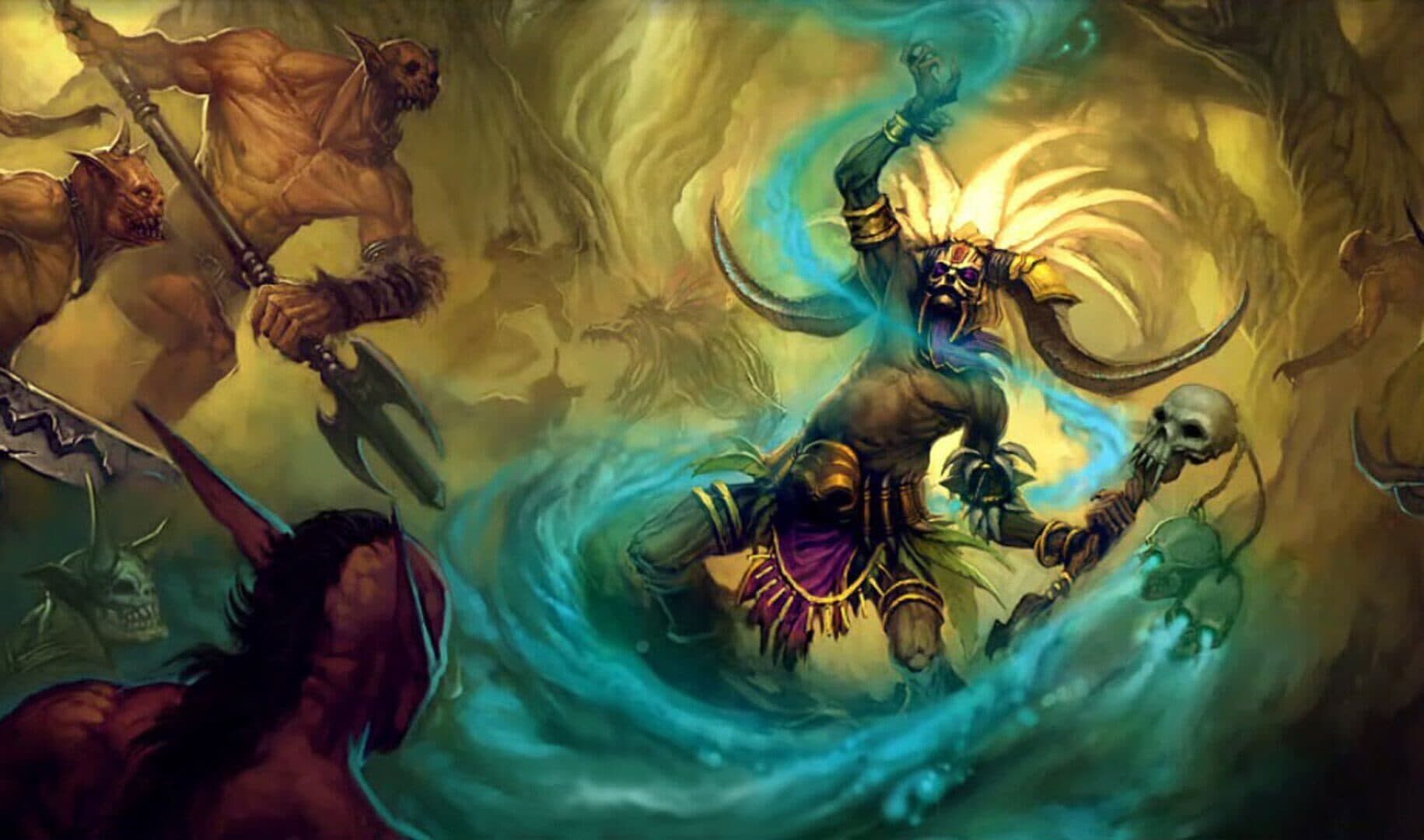
The game ships with seven classes—Barbarian, Wizard, Demon Hunter, Monk, Witch Doctor, Crusader, and Necromancer—each with its own skill arsenal and feel. Instead of a rigid talent tree, D3 leans on mixing runes, active and passive skills, and above all legendary and set items that completely transform how a class plays: one set can make your Barbarian spin like a tornado or your Necromancer raise an army of skeletons. That freedom to rebuild your build around whatever loot drops is why the same character can feel different every season.
What you pay for and what you don't
Diablo III is Buy to Play: you pay once, with no subscription, season pass, or microtransactions. It's currently sold as the Diablo III: Eternal Collection, bundling the base game, the Reaper of Souls expansion, and the Rise of the Necromancer pack (the Necromancer class) into a single package. The list price sits around 39.99 USD, but it regularly drops to 19.99 USD and even lower during big sales, so it rarely makes sense to pay full price. On PC it's exclusive to Battle.net—it's not on Steam—and on console there are physical and digital editions for PS4, Xbox One, and Switch. One key detail: the real-money auction house that marked its launch is gone; Blizzard shut it down in 2014, and there's no item trading or cosmetics store. Everything you get, you get by playing.
Current state: alive, in maintenance mode
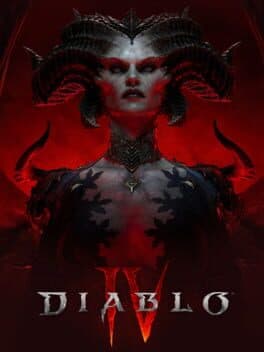
More than a decade on, Diablo III is still alive, though on maintenance support rather than active development: most of the team moved to Diablo IV, so D3 gets balance tweaks and content rotation but no new expansions. Its engine is the Seasons system, which resets characters every few months and kicks off with fresh rewards and rule twists. Since Season 30, Blizzard stopped building brand-new themes and instead remixes mechanics from earlier seasons, always folding in the Altar of Rites and the Visions of Enmity. The community clusters around each season launch, when everyone starts from scratch, and the endgame remains the same old pillar: Nephalem Rifts and Greater Rifts, endlessly scaling dungeons where your build gets its real test.
Who it's for (and who it isn't)
Diablo III is a near-ideal entry point to the hack-and-slash genre: it's direct, generous with loot, gorgeous in motion, and very comfortable on a controller, which makes it one of the best options in the genre on console and in couch co-op. If you're after a game for short sessions, farming with friends, or dropping back in each season with no commitment, it delivers. It was also a full-blown redemption: the launch was rough—day-one server meltdowns and the unpopular auction house—but the Reaper of Souls expansion and the loot overhaul known as Loot 2.0 turned it into one of the best hack-and-slash games of its generation.
The downsides? Honesty first: the game won't grow anymore. Anyone chasing a steady stream of new content, an expanding story, or the systems depth of a modern ARPG will probably prefer Diablo IV or others in the genre. Each season's progression repeats with variations, the class roster is locked, and the endgame is essentially pushing Greater Rifts ever higher. Even so, as a self-contained, cheap, polished package, it's still an easy recommendation: few games run the kill, loot, repeat loop with this much craft.
Screenshots
Artworks
Videos
Community reviews
Nobody has reviewed this game yet. You can be the first.