Dreadmyst
About the game
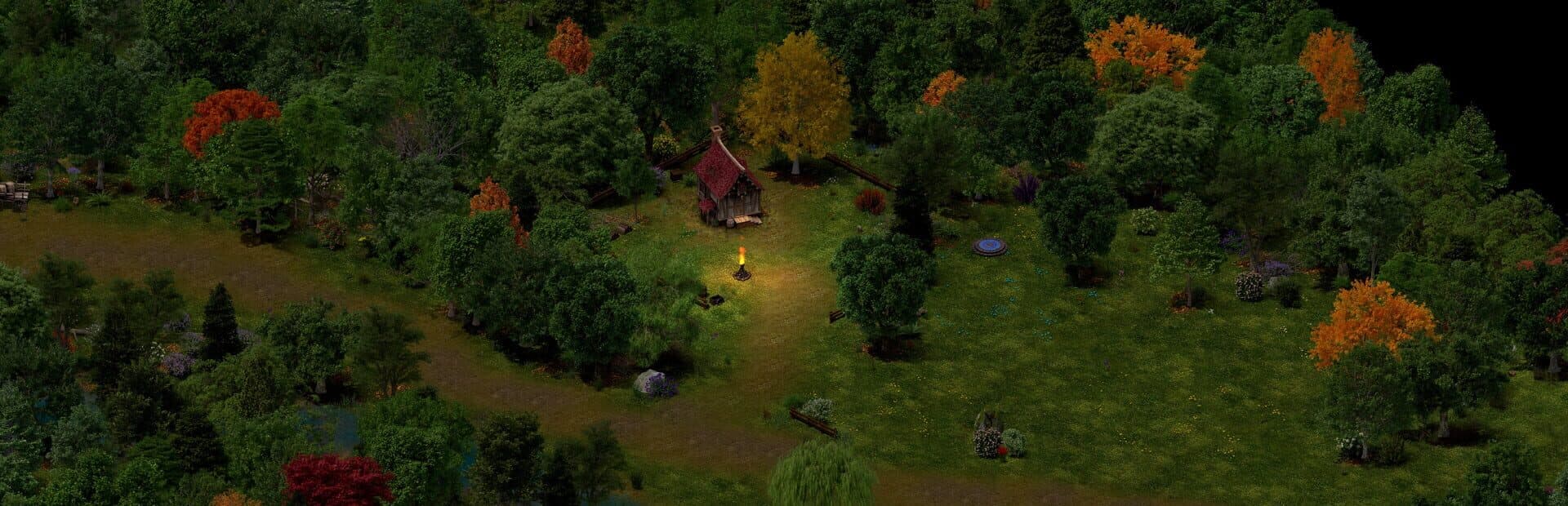
Dreadmyst is an isometric dark-fantasy MMORPG made by one person. That is not a figure of speech: the developer, known as Xjum, wrote his own engine in C/C++ and OpenGL rather than leaning on Unity or Unreal, and built around it a game that deliberately chases how online RPGs felt in the early 2000s. Top-down camera, tab-target combat, dungeons for small groups, and progression that does not hold your hand.
What sets it apart
There are four classes — Paladin, Mage, Ranger and Cleric — splitting the familiar tank/healer/DPS roles. The interesting part is not the roster but how it grows. Attribute points and skill trees combine freely, with no recommended templates and no respec button within easy reach: a badly planned build costs you hours, which pushes you to read, ask around and plan before spending anything. It is exactly the friction modern MMOs designed away, and here it is deliberate.
The gameplay loop is just as recognisable: four-player dungeons — soloable if you insist and have the patience — gear farming, and PvP arenas to test yourself against others. There is no cinematic narrative or stack of modern systems layered on top. There is a world, some monsters, loot, and other people logged in at the same time.
The business model: there isn't one
Dreadmyst is free in the most literal sense. There is no cosmetics shop, no battle pass, no subscription, no microtransactions, no premium currency and no loot boxes. Nor is there any paid content planned. The author framed it from the start as a non-profit passion project and has said he pays for the servers out of his own pocket. All gear comes from playing.
That complete absence of monetisation was, paradoxically, one of the reasons parts of the community were suspicious at first: if nobody is charging, where is the money coming from? Accusations circulated that the client was a front for stealing data. The developer responded by publishing the full client source code on GitHub (the DreadmystRPG organisation) and detailing how credentials are handled over TLS 1.3. The game uses its own account system, separate from Steam, and ships with anti-cheat.
Current state: still running, but abandoned
This needs saying plainly. Dreadmyst launched on January 9, 2026 and blew up: nearly 8,000 concurrent players at its all-time peak, mostly positive reviews, and a load the server was never built to handle, with memory leaks, crashes and rollbacks in the first weeks.
What followed was a collapse just as fast. The community identified third-party assets in the game — sounds, icons and models very close to those in other commercial titles — which led to a copyright complaint and the game being pulled from the Steam store. The author said he had bought them from asset stores and promised replacements; the game returned once it was accepted as a non-profit project. In parallel, claims circulated about the developer's past in the private-server scene. In February 2026, after the abuse he received, he announced he was stepping away from development and the game left Steam for good.
It did get content before the end: a new group dungeon, the first phase of a crafting system inspired by Diablo II's Horadric Cube, channels holding up to 200 players, and balance passes. Since then there have been no patches and no roadmap. The servers, the website and account registration are all still up, but the population is token: on the order of a handful of concurrent players, a drop of over 97% from launch. The client is no longer downloadable from Steam — you get it from GitHub and create an account on the official site.
Who is it for?
For the curious and the archaeologist. If you want to see how far one person can get building an MMORPG from the engine up, Dreadmyst is a fascinating object and costs you nothing to look at. It is also a reasonable entry point if you want to feel what the genre was like before waypoint markers and guided quests, though there are livelier options for that.
Who it is not for: anyone looking for an MMORPG to invest in. Without population there are no groups; without groups the dungeons become an exercise in patience and the arenas sit empty. Without active development, what is there today is what will always be there. No amount of hours invested will build something lasting, and that is worth knowing before you create an account.
The source code is public, and that is the one door left open: any real continuity depends on someone in the community picking it up and carrying on. Until that happens — if it happens — Dreadmyst is a time capsule with the lights left on.
Screenshots
Artworks
Videos
Community reviews
Nobody has reviewed this game yet. You can be the first.