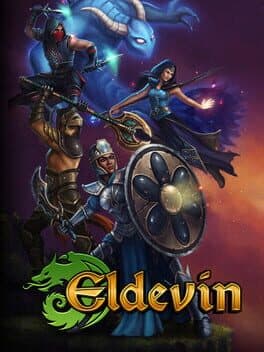
Eldevin
About the game
Eldevin is a fantasy MMORPG developed and published by Scottish studio Hunted Cow Studios, a project that took eight years to reach players. It launched in the browser back in 2013 and arrived a year later on Steam as a downloadable client for PC, Mac and Linux. It is free from start to finish and, more than a decade after release, it is still standing: an old-school MMORPG built by a small team that bets everything on freedom to shape your character.
No classes: you build the character as you go
The game's strongest idea is that nobody picks a class at character creation. Instead there are six talent trees and over a hundred abilities you mix freely: the same character can end up tanking, healing, dealing ranged damage or running some odd hybrid that only works in the hands of whoever designed it. The system rewards experimenting, and it leaves plenty of room to get it wrong — you can absolutely scatter points into a mess that excels at nothing. That is the honest flip side of the freedom: with no class to guide you, the learning curve starts at the talent screen.
A classic world, at its own pace
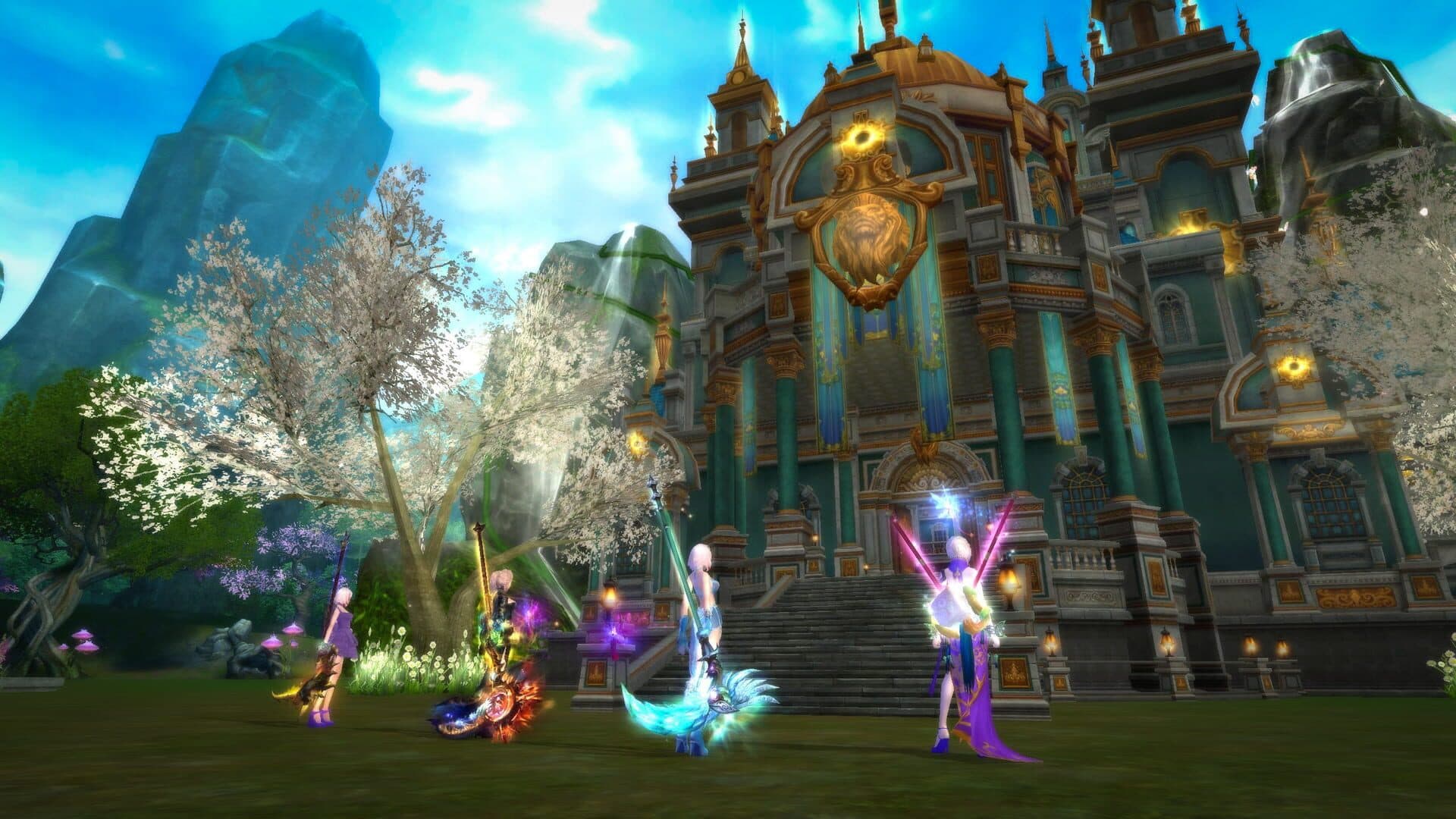
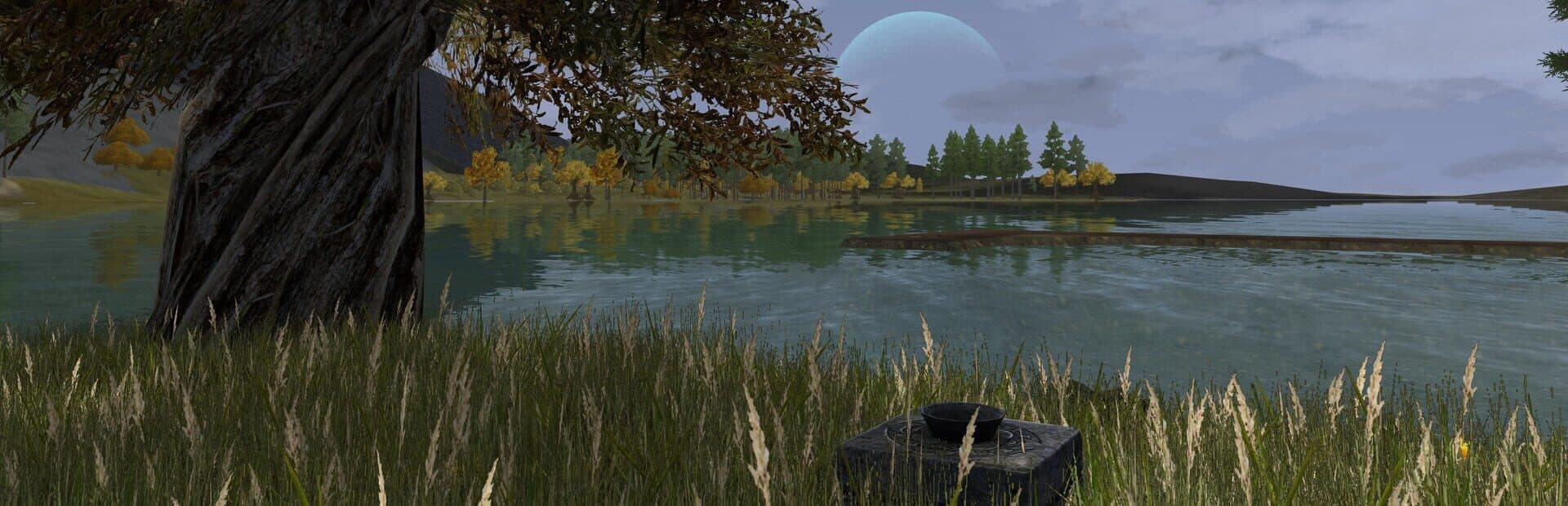
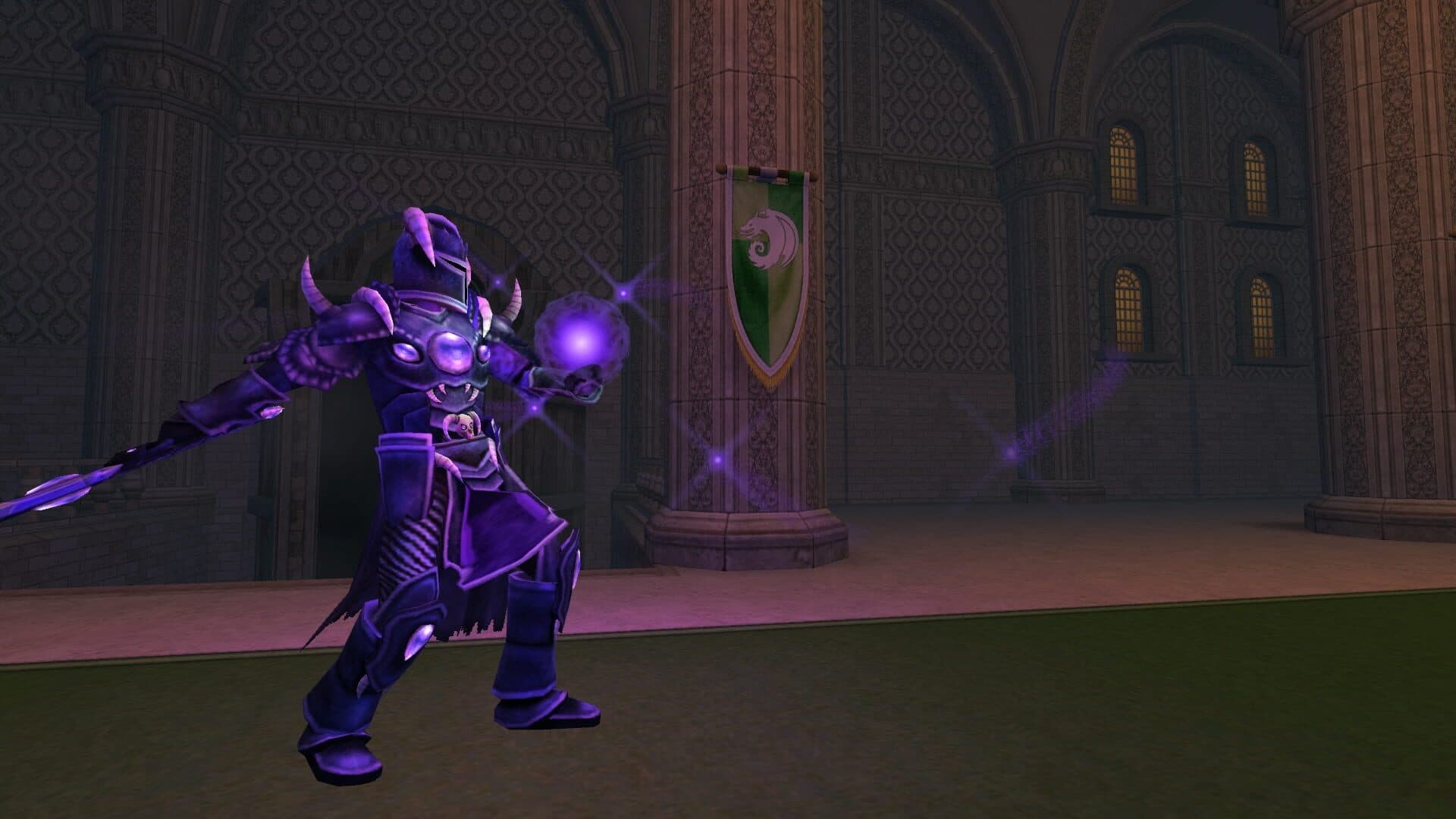
Around that system sits a full MMORPG, and a surprisingly large one for such humble origins: more than 160 zones, hundreds of hand-written story quests (not the mass-produced "kill ten rats" chains), fourteen gathering and crafting professions, group dungeons and PvP arenas. The pace belongs to MMORPGs from before the era of waypoint markers: you read the dialogue, you walk, you search. The visuals show their age and their browser roots, with a simple style that has aged better in the zone design than in the character models.
What you pay for and what you don't
The game is free to play in the honest sense: every realm, every quest and every level is available without paying a cent, and the client downloads for free on both Steam and the official site. The premium currency is Eldevin Points, bought separately and spent in the in-game shop: cosmetics and appearance overrides, emotes, pets, mounts, extra storage, gold and experience potions. No power gear or craftable items are sold, though the XP potions and player-to-player point trading earned it pay to win accusations from part of the community; the real impact lands on progression speed rather than combat power. On top of that there is an optional support subscription, Supporter, which adds an account buff and a monthly point allowance that grows the longer you keep it. Steam also carries two bundle DLCs for anyone who wants to start with extras.
Where it stands today
Eldevin is alive, but in maintenance mode. The servers are still up and the desktop client installs without trouble on all three platforms; what did disappear is the browser version, which relied on a Java applet and fell out of use once browsers dropped support for that technology. The last numbered content update is v1.6, from February 2019, and since then the calendar comes down to the annual rotation of seasonal events: a Valentine's one, a spring one, Halloween and a year-end one. They still run on schedule, so there is a team keeping the lights on — but there is no public roadmap and no promise of new content.
The population matches that diagnosis. On a normal day only a handful of players share the world; the seasonal events push that into the dozens and are by far the best moment to jump in. A couple of active guilds remain, along with a small core of veterans who tend to help newcomers, but pulling a group together for a dungeon or an arena is hard and often simply doesn't happen. The real experience today feels closer to a single-player RPG with chat than to a shared world.
Who it's for
It makes sense for anyone who enjoys a classic MMORPG — slow, text-heavy — and likes the idea of building a character from scratch with no class dictating the path; also for anyone chasing nostalgia for those browser MMOs played at school or at work. Trying it costs nothing, and the solo content is good for plenty of hours. On the other hand, look elsewhere if you want a busy world, PvP with fresh opponents every day, new content each season or a modern presentation: none of that is here.
Eldevin is, ultimately, a game that already gave what it had to give and stayed open out of respect for the people still playing it. As a capsule of a particular era of the genre, and as a quiet adventure to wander through unhurried, it still delivers. As a living MMORPG with a community and a future, it stopped competing a long time ago — and going in aware of that is the difference between a pleasant surprise and a disappointment.
Screenshots
Videos
Community reviews
Nobody has reviewed this game yet. You can be the first.