NextWorld2
About the game
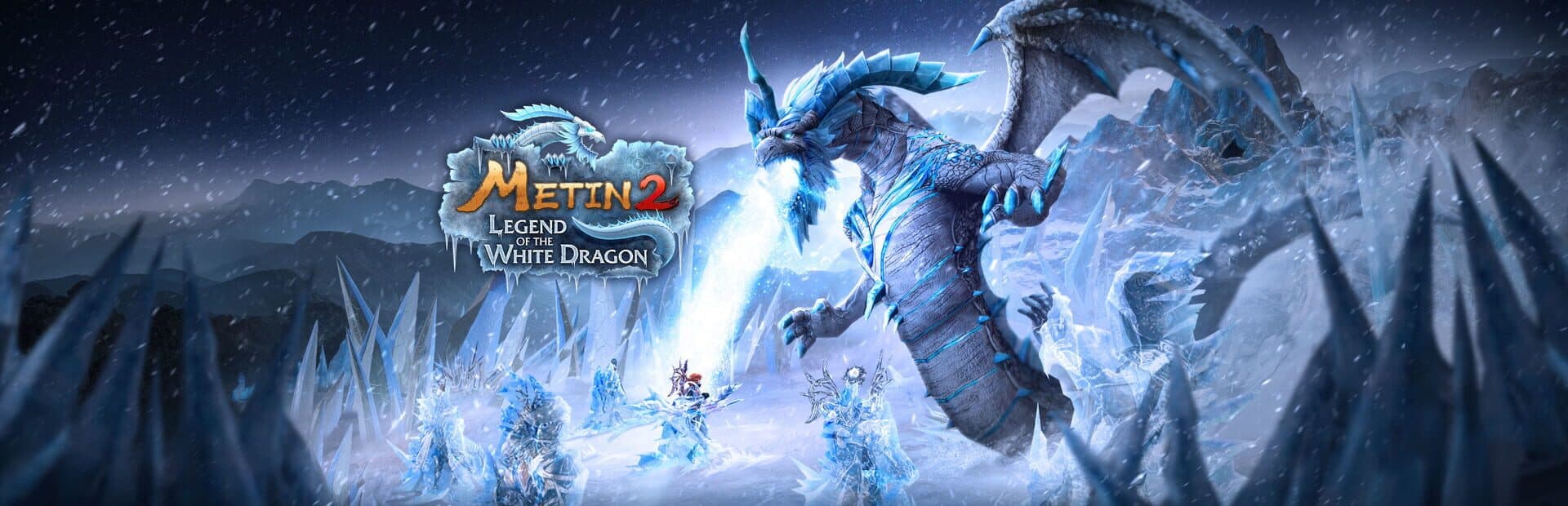
NextWorld2 is a fantasy MMORPG built and run by Hungarian studio Donut Interactive. It takes place on the continent of Kigan, where the kingdoms of Selakim and Quila fight over the map as the Demon Regent's shadow creeps back in. It's free, it runs on modest hardware, and it makes no attempt to hide what it is: real-time combat, dungeons, world bosses, faction PvP and a long grind — the kind measured in months, not evenings.
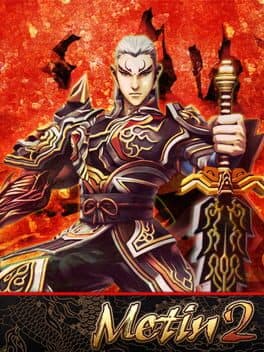
To make sense of it, look at where it came from. The project grew out of NW2Online, a Metin2 private server that ran from 2010 to 2024, and it carries that DNA largely untouched: long grinds, stone-based gear upgrading, and an economy that lives on player-to-player trade. The resemblance to the original shows plainly in its classes and skills, and that's both its strength and its ceiling: it doesn't reinvent the old-school MMORPG, it keeps one alive with fifteen years of tuning behind it.
How it plays
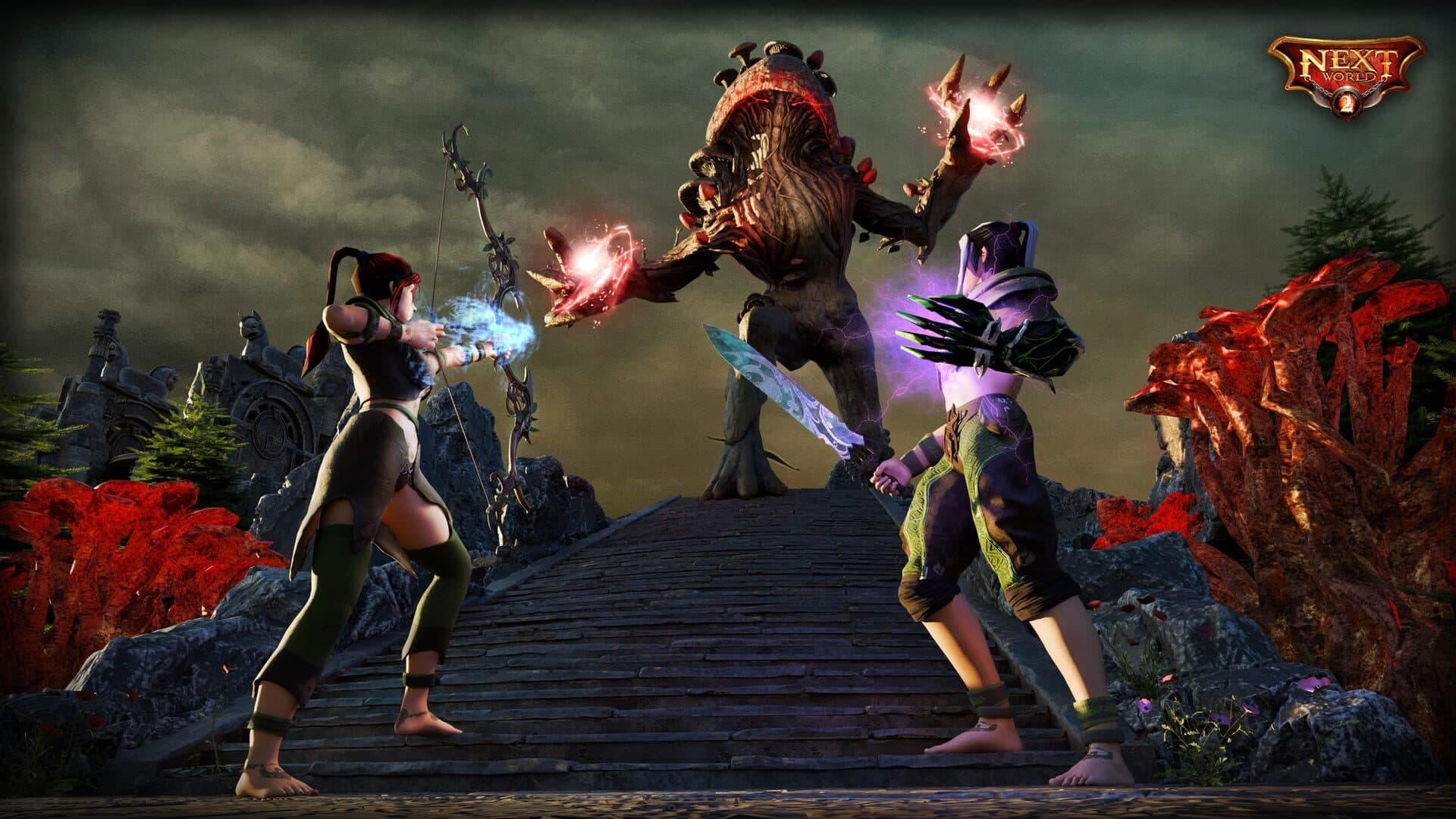
You pick one of four classes — Warrior, Ninja, Ezra or Shaman — each with two specialisations that decide whether you end up tanking, dealing ranged damage or supporting. Combat is real-time, built on chained skills, with positioning mattering a lot in the bigger fights. PvP is organised around empires, the faction allegiance that pits the kingdoms against each other in the open world and in contested zones. And the mount system is enormous: over two hundred collectibles that hand out account-wide bonuses, so levelling one mount also helps characters you haven't rolled yet.
The economy is the other big engine. Almost everything changes hands between players through the Goldur Trade House, and regular gold converts into Arany Rúd (gold bars) to move large sums, at roughly 300 million gold per bar. There's even a character trade house — an official channel for selling accounts and characters you no longer play without leaving the game's own systems. If you enjoy reading a market and speculating, there's as much game there as in the dungeons.
What you pay for, and what you don't
It's free to play with no fine print at the door: registering and downloading the client are free from the official site, no subscription or upfront purchase. Monetisation runs through an item shop whose premium currency is Karzium, and the important part is that you don't need real money to get it: players sell Karzium tickets to each other for gold bars, so a steady player reaches the shop on what they earn in-game. What's on sale is mostly mounts and pets (the Black Baby Dragon, for instance, is Karzium-only), costumes from the wardrobe system, and conveniences; seasonal items usually come from event quests. The studio maintains there's no paywalled content and no loot boxes required to progress, and from the outside that holds up — but paying speeds things along considerably, and a fair share of the praise you'll read about its model shows up in sponsored coverage. Judge it with that in view.
Where it stands
It's alive and actively developed, with patches landing close to weekly. It launched on July 6, 2024 and coexisted with its predecessor for nearly a year until the merge event of April 6, 2025, which folded both databases and communities into one shared world. Through 2026 the focus was the endgame: Monolit Hegység (Monolith Mountain) arrived, a high-level zone with tougher enemies, its own gear sets and encounters that demand coordination over raw stats, alongside a class rebalance, a redesign of the stone and gem system, a wardrobe system with hundreds of costumes, and a wiki built into the client. On March 20, 2026 the Kentanix and Minotaurusz servers merged into one, with the stated aim of concentrating the population, restarting the economy and giving PvP its density back.
That merge also says something about scale. Donut Interactive is a studio of roughly ten people that reports over a million registered accounts accumulated across fifteen years of the project and somewhere around 10,000 active players. It's a stable community with a life of its own, not a massive one: you'll start recognising names in chat and on the market — which, for some players, is precisely the appeal.
Who it's for (and who it isn't)
It fits if you want an old-school MMORPG that's free, undemanding on hardware, and built around progression that rewards persistence and a nose for trading. It doesn't fit if you're after modern production values, a guided campaign, or an endgame you can reach over a weekend: here the grind isn't an obstacle on the way to the game, it is the game.
Then there's the big catch, and for anyone outside Hungary it matters: the game is playable in Hungarian only and its community is local, meaning even trading and grouping for dungeons run through a language you likely don't speak. There is a Steam page listing English and Hungarian, but it still has no date, and the studio has said it wants to expand to more PC storefronts, consoles and mobile. If that international build lands, NextWorld2 goes from curiosity to a concrete recommendation; until then, it's a solid MMORPG behind a language barrier that's hard to get over.
Screenshots
Artworks
Videos
Community reviews
Nobody has reviewed this game yet. You can be the first.