StatusLive
ModelF2P
SpanishNo Spanish
Platforms
About the game
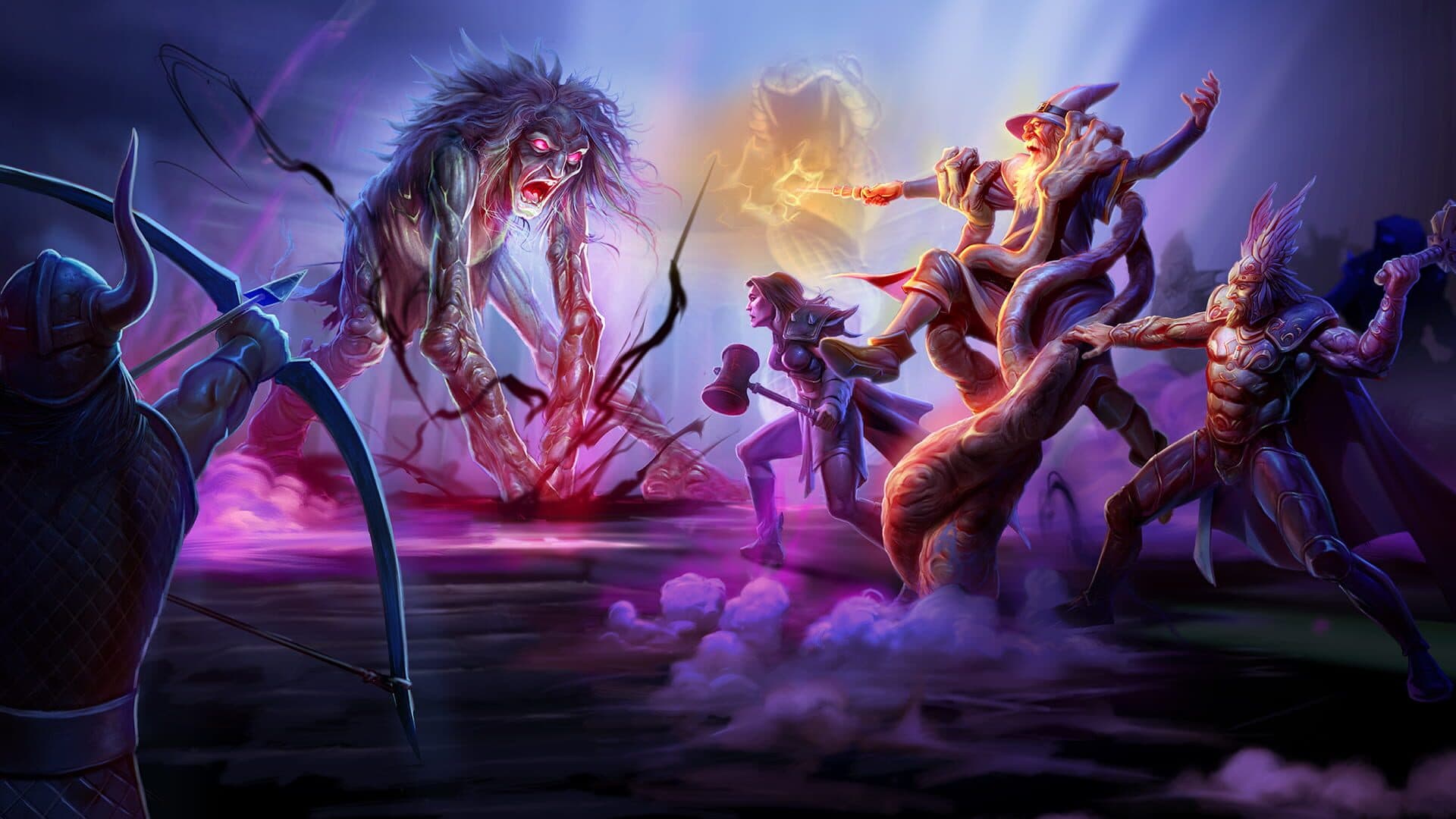
Old School RuneScape (OSRS) is Jagex's classic MMORPG, rebuilt from a 2007 backup of RuneScape and shaped ever since in an unusual way: by a vote of its own community. Any new piece of content that wants into the game needs the backing of 70% of players; fall short and it doesn't ship. That pact between studio and community is the game's backbone, and it explains why, more than a decade on, it still feels true to itself.
An open world with no classes
There are no classes and no character level. You progress by grinding 23 independent skills — combat, fishing, smithing, magic, agility and many more — through sheer dedication, and you decide what to become. It's a fantasy sandbox that rewards patience over reflexes: much of the appeal lies in setting a distant goal and ticking off the steps toward it. Its other signature is total freedom and a risk-it-all PvP where dying in the Wilderness can cost you everything you're carrying, with no safety net. It runs on PC and, since 2018, on mobile with shared progress, so the same account is waiting for you whether you're at your desk or on your phone.
What you pay for and what you don't
OSRS is free-to-play: you download and play it for free on F2P worlds, but with limited content. The bulk of the game — most areas, quests, bosses and skills — lives behind membership. In March 2026 Jagex raised prices again, its second hike in under two years: the monthly subscription landed at USD 14.99 and the annual plan at USD 131.88 (roughly 10.99 a month paid up front), in line with the other big MMOs on the market. Membership can also be paid with Bonds, tokens bought with real money and tradable between players for in-game gold, which opens a path to funding it without reaching for your card. Players who keep an active monthly subscription from before September 2024 hold on to their old rate. You can start for free from the official site or on Steam and decide later whether membership is worth it for you.
Alive and moving
The game is very much alive, with active support, weekly patches and that content vote steering the course. It recently closed out the Varlamore trilogy with The Final Dawn, which introduced the Delve system and its boss Doom of Mokhaiotl — the game's first solo enrage-style PvM endgame — alongside an official HD mode, custom servers and the return of Leagues (Leagues V: Raging Echoes). On population, it broke its all-time record in August 2025 with around 243,000 concurrent players; by mid-2026 it sits in a lower but very healthy range, between 154,000 and 193,000 concurrent. In plain terms: whenever you log in, the world is populated.
Who it's for (and who it isn't)
OSRS is for anyone after a persistent-world MMO with a player-driven economy and a massive, active community, someone who enjoys long-term goals more than instant gratification. Let's be honest about the flip side: the visuals are deliberately retro and the grind can be brutal — some skills are measured in tens or hundreds of hours — so if you're here for flashy action and quick rewards, this isn't your game. But if you're drawn to a world that respects your time and your choices, and to progression that feels earned, OSRS remains one of the most distinctive experiences in the genre, with no sign of fading.
Screenshots
Artworks
Videos
Community reviews
A few more reviews and we'll publish the averageso far: 0 of 5
Nobody has reviewed this game yet. You can be the first.