RPG MO
About the game
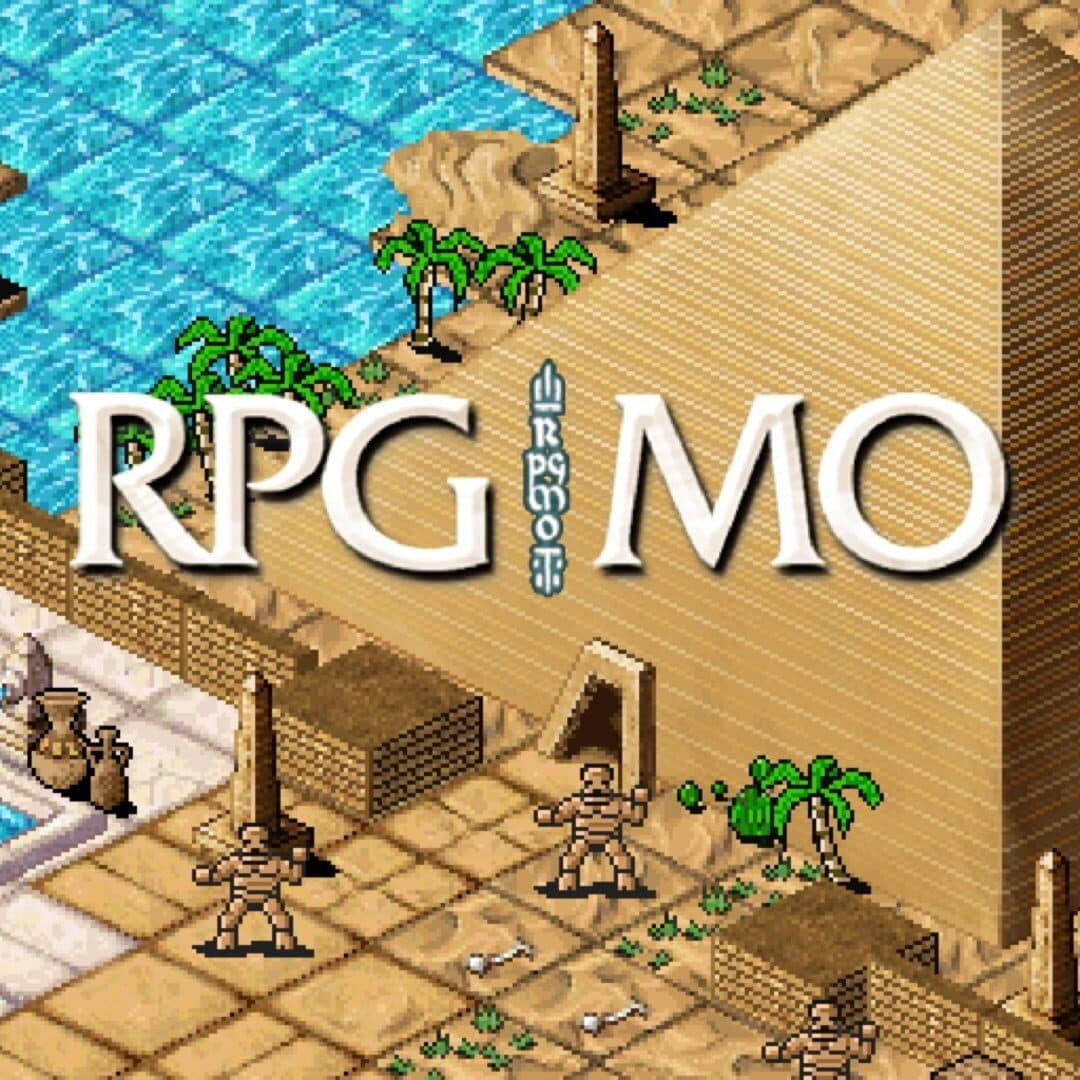
RPG MO is a 2D sandbox MMORPG that has been running since 2012, and it makes no secret of who it's for: anyone who misses RuneScape Classic or the early Ultima games. Top-down view, pixel art, no classes, and progression measured in hours of repetition. There's no story holding your hand and no set path — just an open world, 19 skills with no level cap, and the freedom to decide which ones matter to you.
Mining, fishing, smithing, alchemy, archery, magic, pet breeding: your character is exactly the sum of what you trained, and nothing forces you to train what everyone else does. Around that idea sit more than forty maps, thousands of items and hundreds of breedable pets. It runs straight in the browser from the official site, with clients for PC, Mac and Linux, plus Android and iOS — one account, one world across every platform, something plenty of modern MMORPGs still don't manage.
An economy the players hold up
The real heart of the game isn't combat: it's the market. Almost everything you use is crafted and almost everything is sold player to player, so the miner who never fights has as much of a place as the one who lives hunting bosses. Market offers expire after a set window and the system charges a tax on every sale, which keeps gold circulating instead of piling up. If you come from MMORPGs where an NPC sets the economy, here the price of a sword is decided by real people arguing in chat and on the official forums.
The rest of the content leans on that foundation: randomly generated dungeons for parties of up to four, PvP through consensual duels plus a wilderness zone where you really do lose gear, a personal island to farm and build a house on, and hunting and skilling quests that hand you concrete goals when the sandbox feels too open. None of it is especially deep on its own; what hooks people is how all of it feeds the market.
What you pay for and what you don't
It's free to play with no mandatory paywalls. The premium currency is called MOS, bought with real money at roughly 100 MOS per dollar, and it covers cosmetics, experience boosters, convenience items and the 30-day Premium Account (500 MOS, about five dollars). Premium doesn't hand you combat power: it gives you a world with less competition for bosses and spawns, login rewards that don't reset if you skip a day, market offers that last twice as long, extra preset gear slots, one additional daily boss on Monster Island and a slightly lower market tax.
What saves the model is that MOS can also be earned in-game — through hunting quests, dungeons and skilling quests, and even by writing reviews or contributing art the team approves — and that anything bought with MOS is tradeable. In practice, everything in the shop ends up obtainable with in-game gold on the player market. The community's most repeated complaint isn't that it's pay-to-win, but that the shop is expensive and that it noticeably speeds up gearing and training for whoever chooses to pay.
Current state: alive, whatever Steam says
One clarification is needed here, because it trips a lot of people up: the Steam page has been tagged Early Access since 2015 and shows a banner warning that the developers haven't posted an update in years. That banner refers to the untouched Early Access text, not to the game. The patching reality is different: seasonal events every month or two — Halloween, Christmas, Valentine's, Easter, the July anniversary — plus content patches and development diaries posted regularly on the official site.
Behind all of it are two people (Marxnet, Estonia) working in their spare time. That explains both the good and the bad: there's genuine support and community attention, but the roadmap promised years ago — guilds with their own islands and dungeons, skill trees, PvP events, treasure hunting — moves at a crawl. The population is small but steady: Steam counts a few dozen concurrent players, though that figure leaves out most of the base, which plays via browser and mobile. The client is translated into 17 languages, Spanish included.
Who it's for (and who it isn't)
RPG MO is for people who enjoy a calm grind: levelling a skill while a podcast plays, working out a profitable crafting route, haggling in chat, heading back to your island to tidy the barn. It's also a cheap doorway into the classic sandbox, since it asks you to install nothing and pay nothing to try it, and the official wiki and forums cover what the game itself never explains.
And now the honest part: it's ugly, it's slow, and the interface wears its age with zero shame. The tutorial is minimal, a good chunk of the knowledge lives outside the game, and the sense of a busy world just isn't there — you'll cross paths with few players outside the central areas. If you want punchy combat, production values or guided content, this isn't your game. If what you want is a niche sandbox, honest about what it offers and kept alive for over a decade, it's hard to ask for more at zero cost.
Screenshots
Artworks
Videos
Community reviews
Nobody has reviewed this game yet. You can be the first.