Space-sim MMO
Star Citizen
Cloud Imperium Games · Sci-fi
StatusAlpha
ModelB2P
SpanishNo Spanish
Platforms
About the game
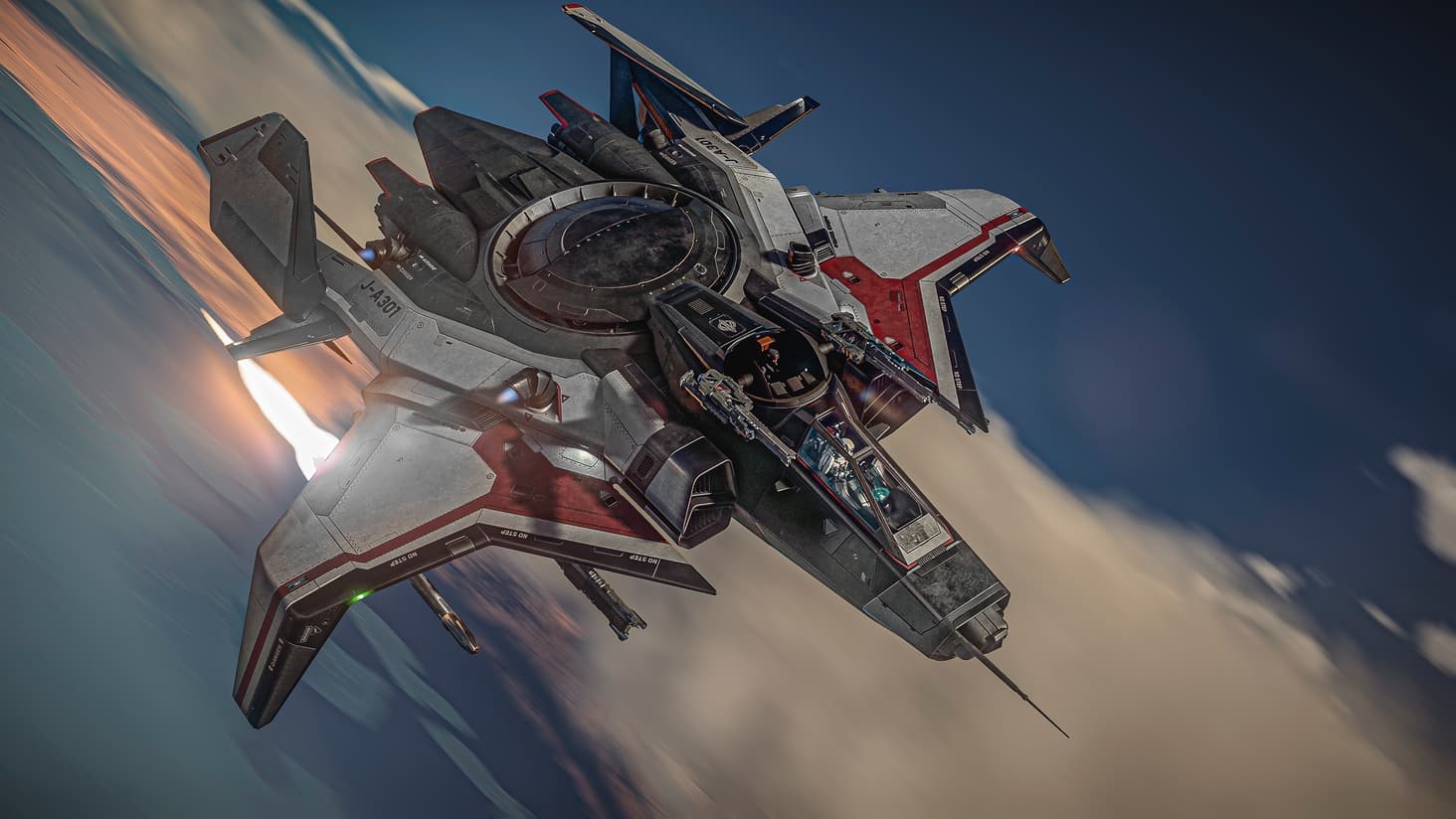
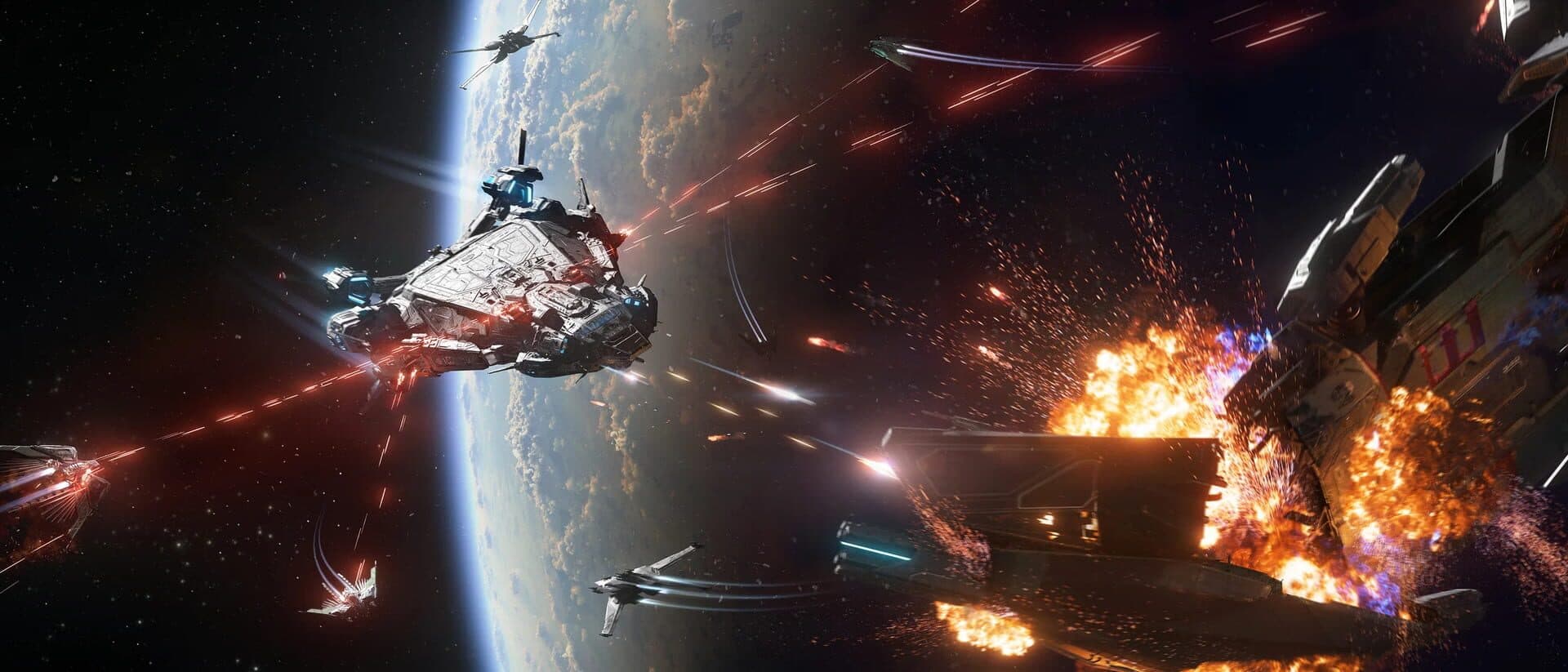
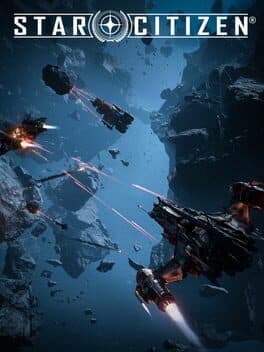
Star Citizen is gaming's most ambitious —and most argued-over— space project: a first-person, open-world sandbox MMO where you walk through your own ship, take off with no loading screens, jump between star systems, and land on foot on moons and entire cities. It is developed by Cloud Imperium Games under Chris Roberts, the creator of Wing Commander, and its core idea is to fold into a single persistent universe things that usually live in separate games: flight sim, tactical shooter, trading, mining, and exploration.
What sets it apart is scale and continuity: near-full-size planets, ship interiors modelled down to the last panel, and a level of visual fidelity that remains a benchmark years on. The feeling of going from the pilot's seat to walking through your ship, stepping down the ramp and roaming a station is hard to find anywhere else. That is the promise the whole project rests on —and also what explains why it took so long to build.
What you pay for and what you don't
The model is Buy to Play: to enter the persistent universe you make a one-time purchase of a starter game package, priced around $45-60, which includes a modest starting ship (an Aurora or Mustang). There is no mandatory subscription to play. An optional subscription (Imperator/Centurion) only adds cosmetic extras and access to development content, and the single-player campaign Squadron 42 is sold separately. Every so often there are free fly events to try the game at no cost, announced on the official site.
Now the controversial part: the bulk of the funding comes from selling virtual ships for real money, from about $15 up to several thousand —the Javelin sits around $3,000 and recent ships top $5,000. One nuance matters: all of those ships can also be earned in-game with the in-game currency (aUEC); buying them with real money is a shortcut, not a wall. Even so, it is a divisive scheme, and part of why the project has already passed $1 billion in funding and 6.5 million accounts.
Where it stands: perpetual alpha, but playable
Star Citizen is still in alpha after more than a decade of development, and you should go in with that expectation. That said, it is now playable end to end: the universe covers two star systems —Stanton and Pyro— linked by server meshing, the tech that splits the world across multiple servers and raises the cap to hundreds of players per shard. Patches land regularly; the 4.x cycle keeps adding systems, missions and large-scale events, and each version nudges the game one step closer to a complete universe.
The honest side is real and worth stating plainly: there are bugs ranging from minor to run-ending, server decay that degrades performance as the hours pass, and bottlenecks in the biggest events. There is no date for the 1.0 release —estimates point to another two or three years— and the Squadron 42 campaign is aimed at late 2026 per Chris Roberts, with no guarantees. It is a game you enjoy more if you have patience for what doesn't work yet.
Who is it for?
Star Citizen is for anyone after a space experience of scale and simulation that no other game offers today, and who enjoys the journey as much as the destination: crewing a ship, mining an asteroid belt, hauling cargo between stations, or fighting in a massive event. It pays off far more in a group and with a mindset set on exploring a sandbox rather than ticking off clear objectives. If instead you want a finished, polished game with a closed progression, this isn't it —at least for now—: you are buying a promise under construction, not a completed product.
The fair summary is that Star Citizen is as fascinating as it is frustrating. When it works, it delivers moments you won't find anywhere else; when it breaks, it reminds you it's still in alpha and that it funds its ambition by selling very expensive ships. If that intrigues you more than it scares you, take a free fly event for a spin before spending a cent: it's the best way to find out whether its universe is for you.
Screenshots
Artworks
Videos
Community reviews
A few more reviews and we'll publish the averageso far: 0 of 5
Nobody has reviewed this game yet. You can be the first.
Related news
1