StatusIn development
ModelB2P
SpanishNo data
Platforms
About the game
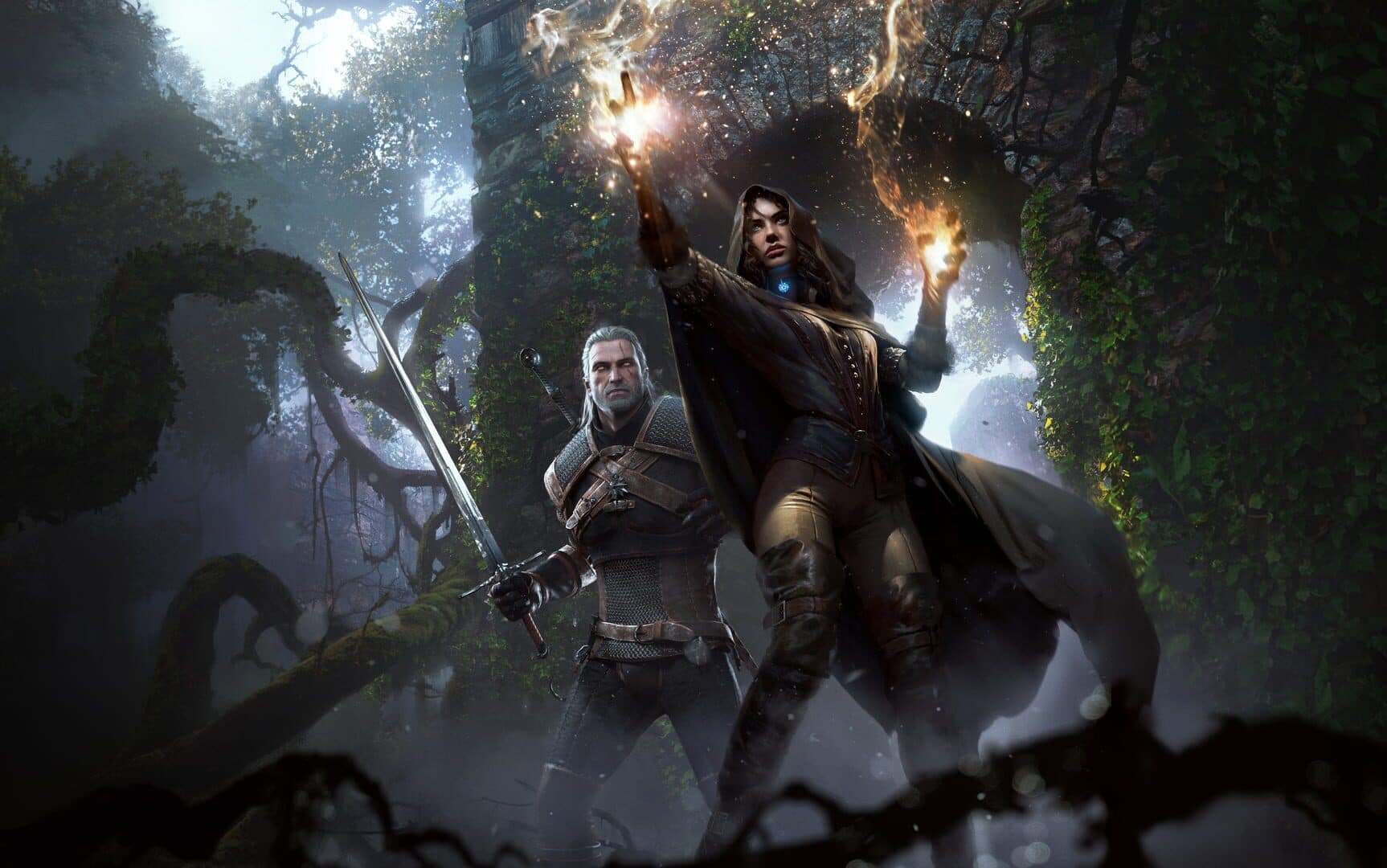
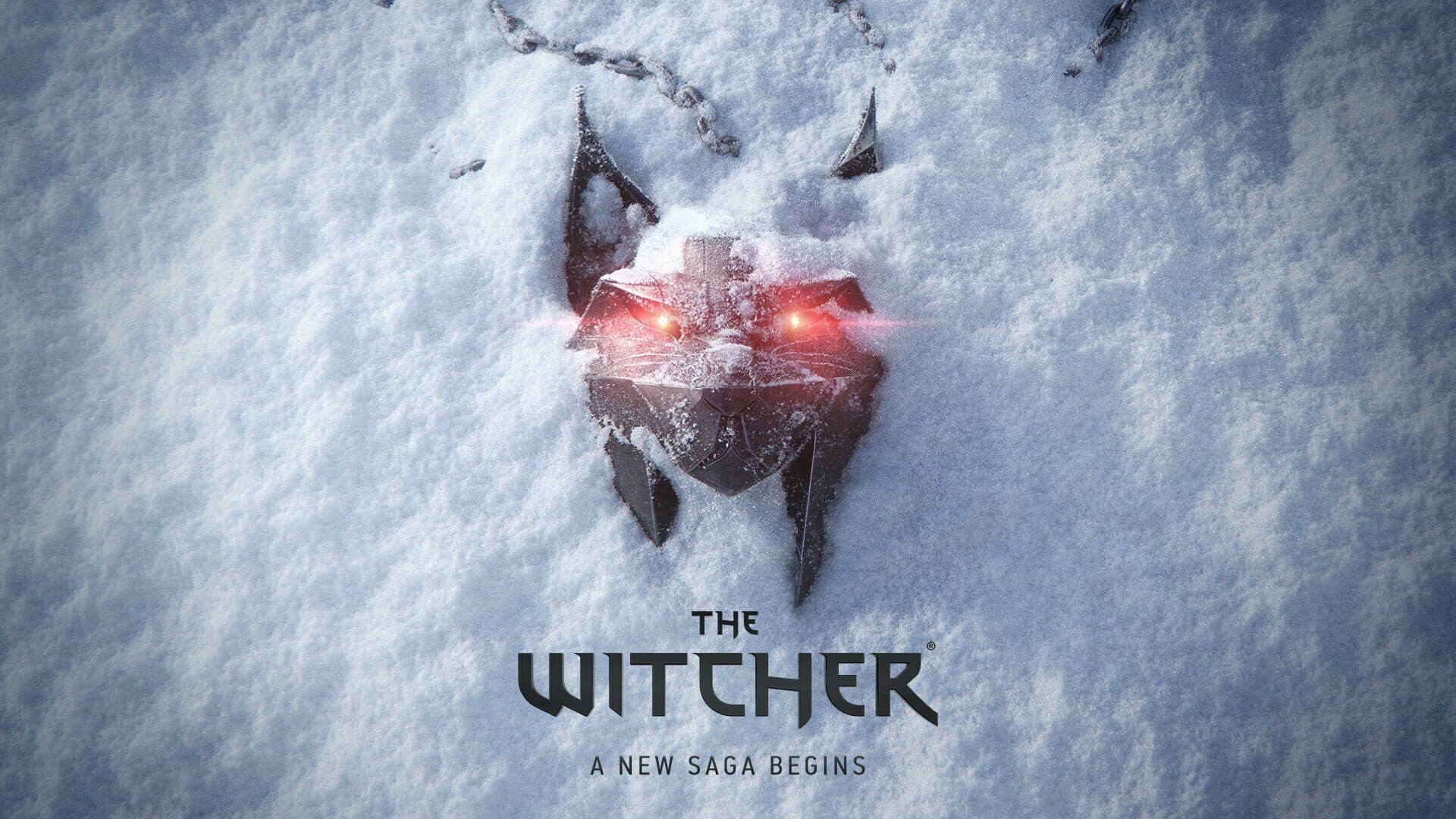
The Witcher 4 is the next open-world action RPG from CD Projekt RED, the studio behind the original trilogy and Cyberpunk 2077. It's not a finale but a beginning: it opens a new trilogy within the Witcher universe, with a different lead and a major technical leap along the way. What stays intact is the series' DNA —a dense open world, branching storytelling and choices that carry weight— and everything else is built on top of it.
Ciri walks the Path
For the first time the lead isn't Geralt but Ciri — now a professional monster slayer who has survived the Trial of the Grasses and walks the Path as a full-fledged witcher. This is no cameo or side quest: she's the new spine of the story. Combat has been rebuilt around her agility —faster strikes, nimble dodges and the ability to cast magic on the move— without dropping the classic Signs (Aard, Igni, Yrden, Axii, Quen). The goal is for her to feel different from Geralt in your hands, not just in the cutscenes.
The other big change is under the hood. CDPR moved off its in-house REDengine to build the game on Unreal Engine 5, a call aimed at a world bigger and denser than The Witcher 3's. All of it in service of a strictly single-player adventure: no online mode, no co-op, nothing competing with exploration and story. The official pitch lives on the The Witcher 4 site.
Where it stands
The Witcher 4 is in active development, but early. It entered full-scale production in late 2024, with a team of around 400-450 developers, and was unveiled with a cinematic trailer at The Game Awards in December 2024. In June 2025 the studio showed a tech demo running on Unreal Engine 5 to hint at where the visuals are headed, and confirmed fresh material for mid-2026. It's the first leg of a trilogy planned over several years.
The thing to keep in mind for setting expectations: there's no release date. CDPR explicitly ruled out 2026 and points to 2027 as the earliest possible window, which in practice leaves the real date wide open. If you're after something to play soon, this isn't it; if you enjoy following a project from afar, there's plenty of runway left.
What you pay for
The model is buy-to-play: a premium single-player title, no online component, and no microtransactions or battle pass announced. There's no confirmed price yet; going by Cyberpunk 2077's precedent, it's reasonable to expect a full next-gen price (around $70/€70), with possible special editions and, later on, paid expansions like the ones The Witcher 3 received. What there won't be is a free trial or a subscription: you pay once and the game is yours.
Is it worth the wait?
If The Witcher 3 hooked you with its world, its characters and the weight of its choices —or if you're coming off Cyberpunk 2077 and want more of that narrative-RPG mold—, this is squarely your kind of game. It's also a fair entry point: being a fresh start with Ciri up front means you don't need to have played the earlier games to jump in. The downside, worth saying plainly: it's still a long way off. It's a game with no date and almost everything left to show, and CDPR still carries the memory of Cyberpunk 2077's rough 2020 launch —which it did turn around over time, but which teaches you to wait and see the finished product before calling it a win. Right now it's one of the RPG's biggest promises; how much it delivers, we'll know when it ships.
Screenshots
Artworks
Videos
Community reviews
A few more reviews and we'll publish the averageso far: 0 of 5
Nobody has reviewed this game yet. You can be the first.
Related news
1