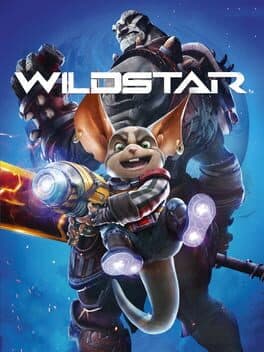
About the game
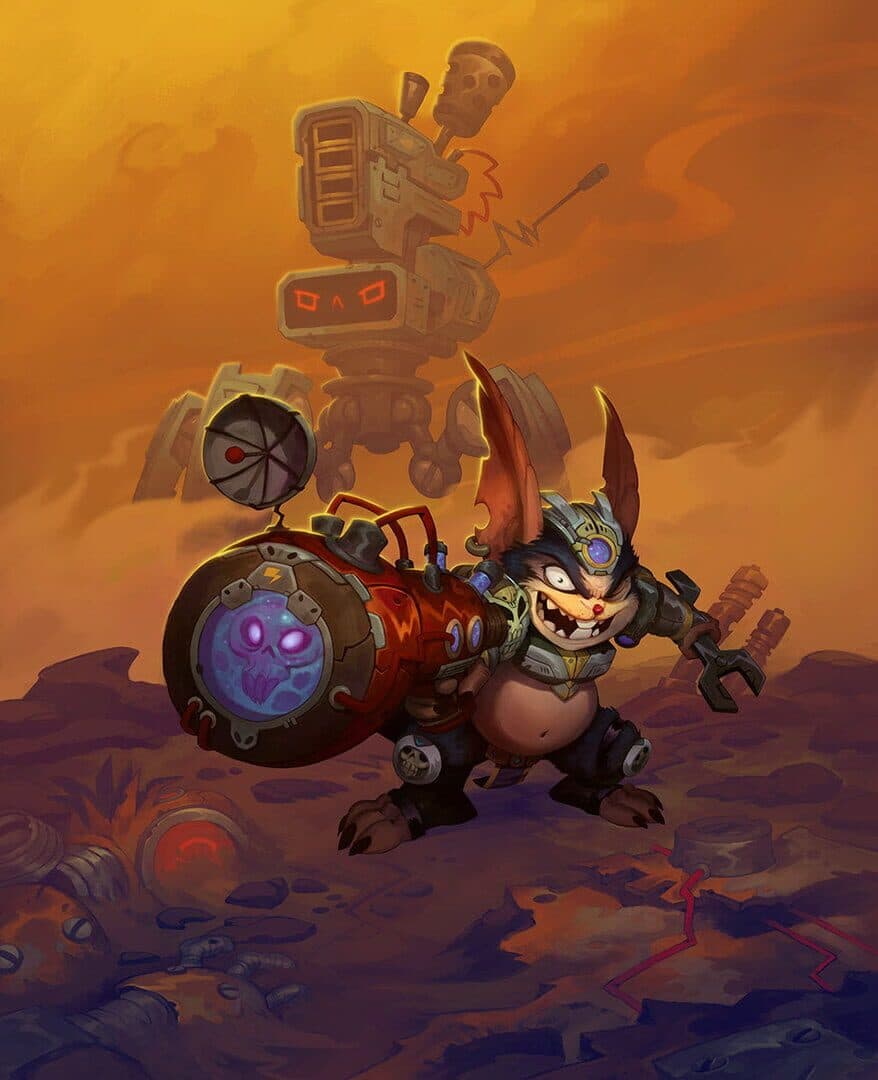
WildStar was Carbine Studios' sci-fi MMORPG, built largely by World of Warcraft veterans who set out to do one very specific thing: keep the classic theme-park skeleton — zones, quests, dungeons, raids — and swap out the engine underneath it. No auto-attack, no hitting a target while you read something else on a second monitor: everything ran on ground telegraphs, a limited pool of dodges, and a rhythm that punished standing still. It launched on June 3, 2014, shut down on November 28, 2018, and in between it built one of the sharpest identities the genre has produced.
A theme park that never let you stand still
The setting pits two factions against each other — the Exiles, refugees without a planet, and the Dominion, an empire that claims Nexus by divine right — fighting over the technology left behind by a vanished civilization, the Eldan. On top of that skeleton sat six classes and eight races, wrapped in a loud cartoon art style and a space-comedy sense of humor the game never once apologized for. What really set it apart was the combat: every ability painted its area of effect on the ground, yours and the enemy's, so fighting meant reading shapes and moving on time. It worked as well against a single trash mob as it did against a raid boss, and it's why WildStar still gets cited as the benchmark for action combat inside a traditionally structured MMO.
Two homegrown systems sat on top of that. Paths — Soldier, Settler, Scientist, Explorer — were a parallel progression track that changed what you actually did while levelling: scanning wildlife, building public upgrades for the whole server, climbing to places no quest ever pointed you at. And then housing, probably its single best idea: your own floating sky plot, with an unusual amount of decorating freedom and functional plugs you socketed into the land to add minigames, gathering nodes or small dungeons. Plenty of players logged in for endgame progression and spent the night rearranging the garden instead.
What you paid for: from subscription to free-to-play
It started with the most classic model possible: buy the box, then pay roughly $14.99 a month, discounted if you committed to three or six. Its twist was C.R.E.D.D., a token you bought with real money, resold to other players on the auction house, and redeemed for 30 days of game time — the same logic as EVE Online's PLEX — so anyone with enough in-game gold could keep subscribing without spending again. On September 29, 2015, the WildStar: Reloaded patch flipped it to free-to-play: every piece of content — zones, dungeons, raids and battlegrounds — opened up to free accounts, with cuts to character slots, auction-house caps and lower login-queue priority. On top of that came the optional Signature membership (payable with C.R.E.D.D.) granting bonus experience, reputation and currency, plus a cosmetics-and-convenience store running on NCoin and the OmniBits you earned by playing. Worth stating plainly: none of this is on sale today. The store closed with the game and the Steam page was pulled.
Where it stands today: the servers are off
NCSoft announced the closure of Carbine Studios on September 6, 2018 — around 50 jobs — along with a phased shutdown of the game. Sales stopped that same day, the store was unlocked so players could spend whatever balance they had left, and the servers stayed up until November 28, 2018. The last major content drop had been Destination Arcterra back in March 2017, and the game froze on that final build. The warning signs came earlier: a 40% staff cut in 2016, and an endgame of 20- and 40-player raids gated behind weeks-long attunement chains — a wall that scared off casual players without ever really holding the hardcore guilds. The consensus that outlived it is that combat was never the problem; everything built around it was.
The only thing still running is Nexus Forever, a community-built open-source emulator that recreates the game's final build, free and with zero monetization. Open world, races, classes, paths, housing, guilds, mounts and addons all work, it's still getting commits through 2025-2026, and a handful of public servers hold modest populations. But its own developers say it plainly: don't expect a complete experience. Instance scripting and much of the endgame remain half-finished, with no target date for either. It's enough to walk Nexus again, level a character and decorate a plot — not to raid.
Who is it for today?
For anyone with historical curiosity who wants to understand where the action combat later MMORPGs borrowed actually came from, or for anyone who still remembers their plot and wants to see it again. Also for designers and players who want to study a housing system almost nothing has topped since. It is not for anyone looking for a living MMO: there are no official servers, no support, no new content and no guaranteed progression — a community emulator can change, break, or simply stop being maintained — and the endgame that defined the game, for better and for worse, isn't available at all.
The honest verdict is an uncomfortable one: WildStar did the hard things very well and the important ones very badly. Its combat aged better than almost anything released alongside it, its housing is still a high bar, and its visual identity looked like nothing else. But it staked its future on an endgame designed for a minority, sealed it behind weeks of prerequisites, and had no plan B when the population didn't follow. It's worth seeing, with the right expectations: you're visiting a well-preserved ruin, not a game in service.
Screenshots
Artworks
Videos
Community reviews
Nobody has reviewed this game yet. You can be the first.