Cabal Online
About the game
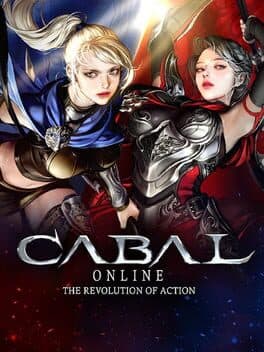
Cabal Online is a Korean action MMORPG that launched in 2005 and is still getting new episodes two decades later. That alone makes it an oddity: it outlived nearly its whole generation, not by reinventing itself, but by never stopping being what it was. It is developed by ESTgames (ESTsoft) and the western service is run by PlayThisGame, with a client in English, Spanish and Portuguese. It is free, it runs on PC, and its signature is not the story or the open world — it is the way you fight.
Combat you chain, not combat you spam
What sets it apart from the average Korean MMORPG is the combo bar. Instead of hammering isolated hotkeys and waiting on cooldowns, you chain skills inside a timing window you have to feel out: hit the rhythm and the chain keeps going while damage scales; rush it or doze off and it breaks. On top of that sit the Battle Modes, temporary transformations that swap your entire skill set for a stronger one, with their own rules and their own combo flow. Add dodges, dashes and a camera that wants you moving, and you get a 2005 MMO that keeps your hands busier than plenty of current releases. Easy to start, hard to squeeze dry — that is the real hook.
Nine classes and a half-fantasy, half-sci-fi world
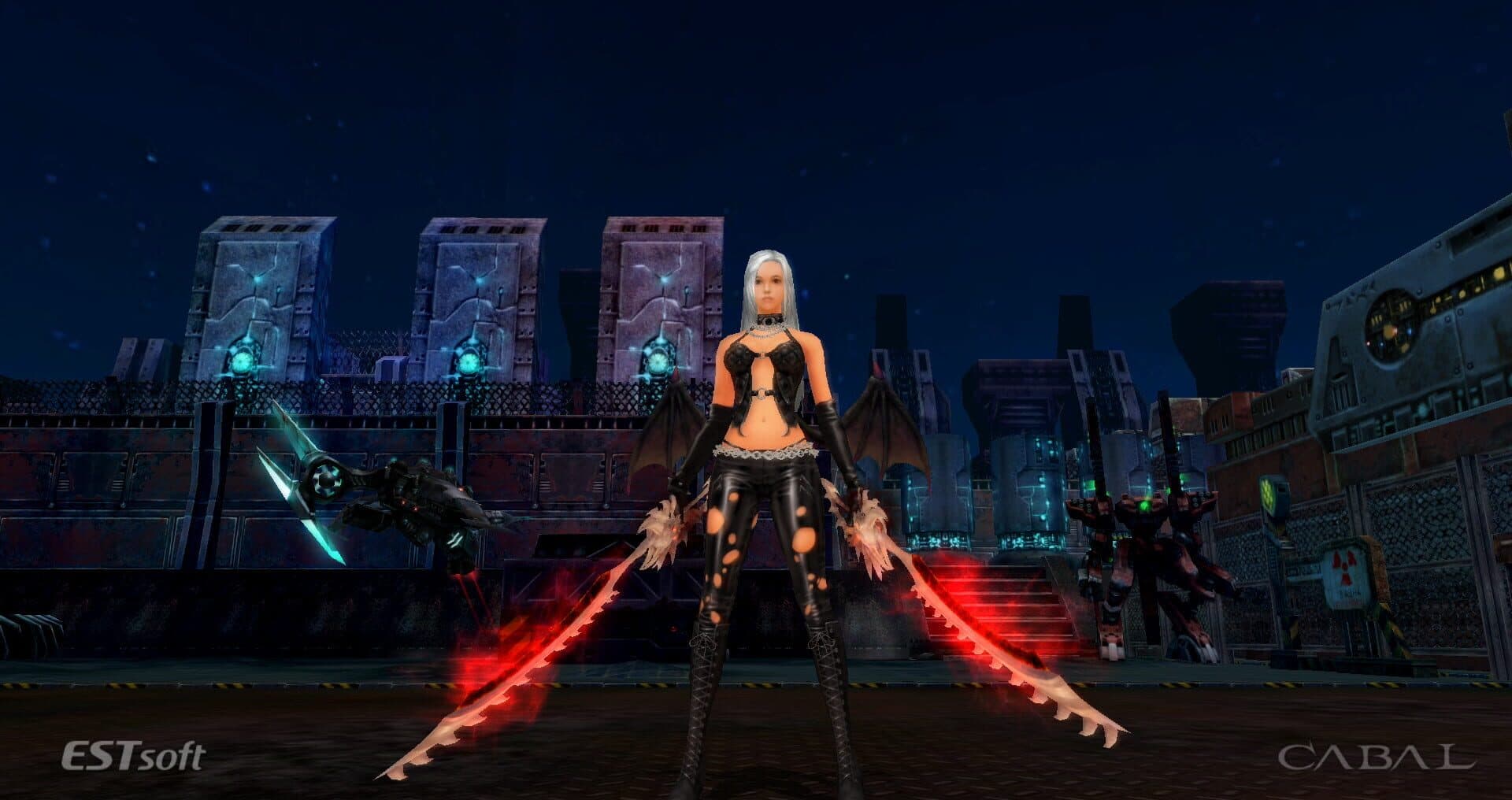
The roster starts classic — Warrior, Blader, Wizard — and gets progressively more specific through the Force classes, up to the modern additions: the Force Gunner and the Dark Mage, which play a different game inside the same game. Every class has its own combo tree and its own Battle Mode, so rerolling actually feels different rather than like a reskinned hotbar.
It all takes place in Nevareth, a continent that mixes fantasy with Korean-flavoured sci-fi: ancient temples and ruins sitting next to futuristic armour, energy weapons and hoverboards for getting around. Visually it is pure 2005 with several coats of makeup on top, and it does not hide it. That suits the game, but it is worth knowing before you install it.
The endgame: timed dungeons, nation war and RNG
The cap is level 200, but the real game starts well before you get there. The core activity is timed dungeons — ranked, with the clock breathing down your neck — plus the parallel progression systems that piled up over the years: Force Wing, Stellar Force, mercenaries, pets. Around that sits the nation war between Procyon and Capella, the mass PvP that gives grouping up and guild politics a point.
And then there is what defines the veteran's daily routine: gear upgrading. It is a system with randomness baked in, where pushing an item can fail and set you back, and where farming mostly exists to fund the next attempt. It is the long-term heart of the game and also its most divisive part: some players find the tension that keeps them hooked for years, others quit at the first expensive failure.
What you pay for and what you don't
Cabal Online is free to play with no subscription: you download it from the official site, you play all of it, and no content sits behind a paywall. Monetisation runs through the item shop and eCoin, the premium currency bought with real money, which sells cosmetics, mounts, character services (name changes, stat resets), assorted conveniences and, above all, the Premium services: more experience, better drop rates and teleports.
The sore spot is the link between the shop and gear RNG: the consumables that cushion upgrade failures are bought, so the endgame carries real spending pressure even though nothing is formally locked. That is where the community's most repeated criticism lands — premium services feel less optional than the F2P label suggests. It is also worth knowing that the catalogue and prices vary by region (North America, Europe, Brazil, the Philippines and Thailand run separate shops), that ESTsoft adjusts the rules from time to time, and that the game is no longer sold or installed through Steam: it was pulled from that store in 2020 and the client comes from the official site.
Where it stands today
Alive and actively developed, but at a small scale. The global service runs at one or two big patches a year: the most recent added a high-level Force Wing dungeon, a Master grade with a hundred new levels, altar and pet dispatch systems, and a mercenary overhaul. Korea runs ahead and gets episodes first, so what shows up on Korean channels is usually the western roadmap a few months early. In 2024 the game was renamed Cabal Online: Eternal in its home region, replacing the Transcendence subtitle it had carried since 2015; ESTgames made clear this was not a client revamp but a push to revitalise the brand alongside development of Cabal RED, a separate Unreal Engine project for PC, mobile and consoles.
On the server side, the West consolidated after years of merges: Titan in North America (it absorbed Atlas in 2022) and Mercury and Venus in Europe. The official population is modest and heavily concentrated at endgame, with low-level zones fairly empty; part of the veteran community moved to private servers running old episodes, some of which hold more concurrent players than the official service. It is not a dead game, but it is not one where you get invited to a party on the first map either.
Who it's for (and who it isn't)
Cabal Online is for players who want an old-school action MMO and value combat above everything else: if you like fighting on timing, learning chains and feeling that your execution matters, there is a system here that no clone ever fully copied, free and with no barrier to entry. It is also a good fit for anyone who enjoys long progression, guild life, and the idea of a game that has been polishing the same thing for two decades.
It is not for anyone after a modern open world, careful storytelling, or a server that feels busy at any hour. The grind is long, gear upgrading rides on RNG and on a shop that sells exactly the material that softens it, the graphics are from another era, and the mid-level zones are deserted. If none of that puts you off, what remains is a game with a genuine identity of its own, still supported by its developer and by a small but stubborn community — no small thing for a 2005 MMORPG.
Screenshots
Videos
Community reviews
Nobody has reviewed this game yet. You can be the first.