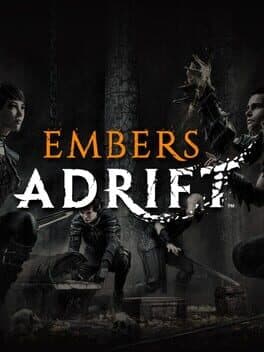
Embers Adrift
About the game
Embers Adrift is an indie MMORPG from Stormhaven Studios, built on an idea most of the genre dropped twenty years ago: the world should be bigger than you are. No PvP, no cosmetic shop, no floating arrow herding you toward the next objective. Just a hostile continent, a group of people who genuinely need each other to survive it, and a learning curve that doesn't apologize. It began life as Saga of Lucimia, took its current name in 2021 and launched in 2022 on its own client, only reaching Steam years later.
Darkness as a mechanic
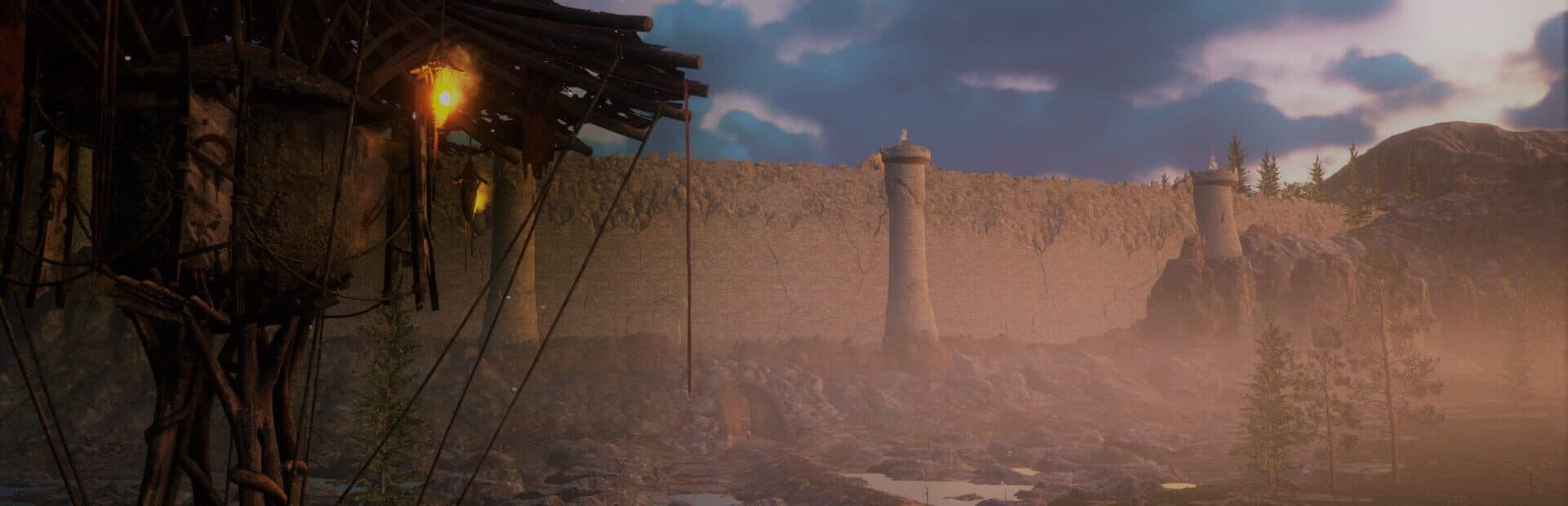
The name isn't decoration. In Embers Adrift, light is a managed resource: the embers you carry, along with torches and lanterns, push back a limited radius, and outside that radius the world is genuinely black and genuinely dangerous. Straying off the path is expensive, and making it home with the loot is part of the accomplishment. There are no markers hovering over NPCs and no map that solves the route for you — you navigate by reading terrain and asking in chat, still the oldest and most effective way to make a world feel like a place instead of a menu.
Classes, combat and progression
The skeleton is the classic trinity: three base classes — tank, damage, support — branching into nine specializations as you level. Combat is tab-target, slow and deliberate: it's about picking the right next button and coordinating with your group, not dodging telegraphs. Traditional magic doesn't exist here; alchemy takes its place, with consumables a well-drilled group treats as tactical tools. The cap is level 50, and content runs from a quiet solo outing to 24-player raids, with plenty of small-group territory in between. The most ambitious additions — Redshore Island and the Lost City of Ibaxus raid — sit squarely at the top end.
What you pay for, and what you don't
It's buy to play in its plainest form: buy the client once, play it. On Steam the price hovers around USD 10 — a long way down from the near-forty of its early years — and it goes on sale at up to 75% off. There's no cash shop, no boxes, no season pass; the only extra on sale is the soundtrack DLC. What does exist is perk time: blocks you buy à la carte (30, 90, 180 or 365 days) that unlock conveniences — more active character slots, expanded bank space, a private chat channel, a few minor bonuses. None of it grants power, buying the game includes a month up front, and when it lapses you still have access to the entire game.
That setup is the product of three stages: at launch the subscription was mandatory; in 2023 it became optional; and in 2025 the studio swapped it for perk-time blocks, largely pushed by trouble with a third-party payment processor that left it uncollected for months. Worth knowing before you read older reviews: a good chunk of the complaints about monetization describe a game that isn't sold that way anymore.
Where it stands: live, small and steady
Embers Adrift has been live since 2022, kept running by a team of roughly ten people on a monthly patch cadence that rarely slips. These aren't huge drops — a zone split in two, dynamic weather with rain and snow by biome, a new challenge deep underground, guild and gathering banks, rounds of optimization for modest hardware — but they land, and the roadmap gets communicated on the official site without inflated promises. It's an honest indie rhythm: nobody's mistaking this for a AAA production, and the studio isn't pretending otherwise.
The weak spot is population. Publicly visible concurrent peaks are measured in the dozens; part of the player base logs in through the standalone launcher and never shows up in those numbers, but the world still reads as sparsely populated, where forming a group depends on your time zone and, above all, on belonging to an active guild. In a game whose design demands grouping, that isn't a footnote — it's the difference between a great night and an hour staring at chat.
Who is it for?
It's for players who miss the interdependence of early-2000s MMORPGs: waiting for the group to assemble, learning a route by heart, celebrating a death narrowly avoided. If that sounds like wasted time, nothing here will change your mind. And it's worth being blunt about the downsides: critical reception at launch was rough, user reviews sit just above two-thirds positive, production values in visuals and animation are modest, progression is slow by design, and with nobody online the whole design collapses. In exchange, it offers something almost nobody else does anymore: a world that doesn't underestimate you and that you can't play alone. At ten dollars with no strings attached, the question isn't whether it's worth the price — it's whether you have people to play it with.
Screenshots
Artworks
Videos
Community reviews
Nobody has reviewed this game yet. You can be the first.