Karos
About the game
Karos is a Korean fantasy MMORPG with more than fifteen years of continuous operation behind it and one openly stated obsession: PvP. It was built by Galaxy Gate — the studio behind Laghaim and Last Chaos — and today runs under GameXP with the name Karos: Rebirth. It's free, PC-only, and localized into ten languages, Spanish among them. Anyone starting today walks into a game from another era: tab-target combat, long grinds and guilds fighting over castles, kept alive by a small but very loyal community.
A game with too many names
Karos's history reads like a summary of Western free-to-play. It launched in Korea in 2009 as Rosh Online; it reached the West as Karos Online under NHN/ijji, and that version shut down in 2012; it returned as Karos Returns with GamesCampus, changed hands to RedFox Games in 2016 and quietly went dark. The incarnation that survived is GameXP's, released on Steam in December 2014 and still running. Keep that in mind when you go looking for information: a lot of the guides and reviews still floating around describe servers that no longer exist.
Four races, seven classes and the Fletta system
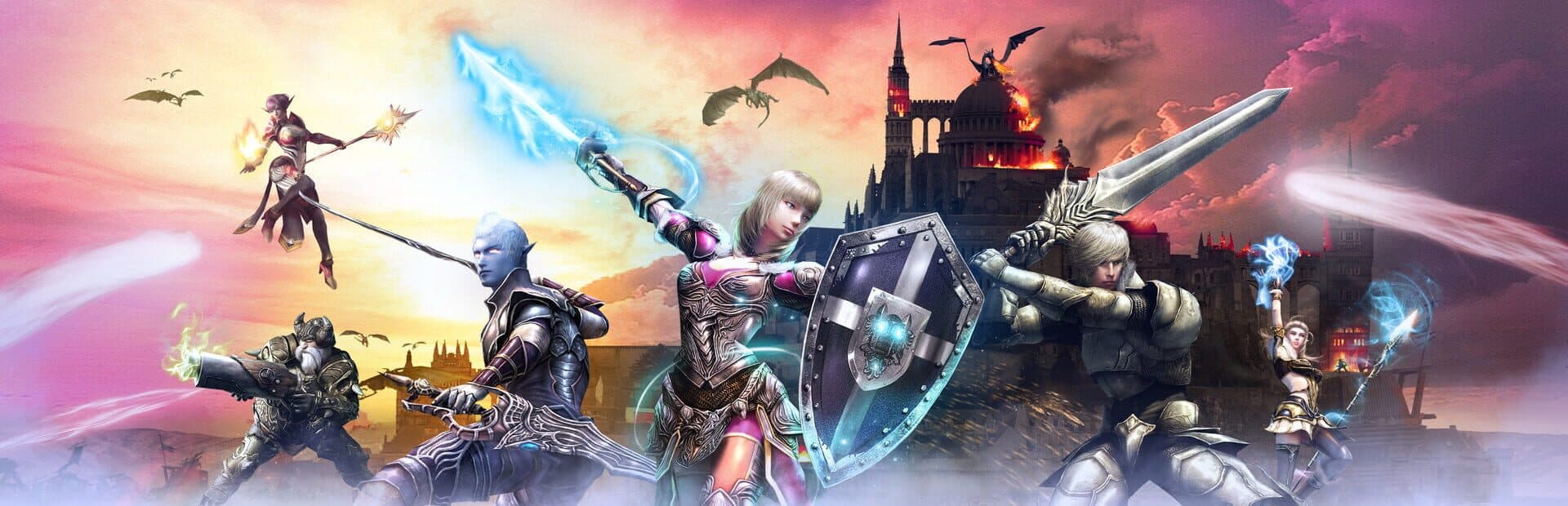
You start by picking from four races and seven classes that later branch into specializations, following the genre's classic split: tanking, melee damage, ranged and support magic. Combat is pure tab-target, hotbar and all, with no concessions to modern action systems. What sets Karos apart is the Fletta system: monsters drop an energy you accumulate and spend on a second progression track — stat boosts, gear enchanting and crafting — running parallel to levels and equipment. Two characters at the same level can be worlds apart depending on how much Fletta they've poured in. Race and class details live on the official site.
PvP is the endgame
Everything Karos does well points toward guild conflict. The end of the road is castle sieges, mine control with rewards for the guild that holds them, battlegrounds and open-world PK in zones where anyone can jump you. There are dungeons and labyrinths for small groups, but they work more as preparation than as a destination. The practical consequence is simple: playing solo is an uphill fight, and the difference between enjoying yourself and quitting after a week usually comes down to joining an active guild.
What you pay for and what you don't
Karos is pure free-to-play: the client is free both on Steam and through GameXP's own launcher, with no entry purchase and no mandatory subscription. Monetization runs through the shop — VIP status, costumes, wings, pets, transforming mounts, materials and enchanting aids — plus lottery-style promotions and boosted-rate weekends. That's the friction point: defenders argue no single item sold is outright broken and that anything essential can be earned in-game, while a sizable part of the community calls out paygating, especially around gear sharpening and competitive PvP. The publisher also sells an "amnesty ticket" to wipe an account's negative reputation, often cited as a sign of where things lean. With roughly 65% positive reviews on Steam, the cash shop is by far the most consistent complaint.
Where the game stands
The game is live and running continuously. The official site posts updates daily — events, maintenance, rate boosts, cosmetics and skill rebalances — but it's worth understanding how it grows: not through expansions, but through new servers. GameXP opens fresh worlds regularly and merges old ones to consolidate population, a cycle that suits newcomers (everyone starts from zero) far better than veterans who've already been relocated three times. There is no public roadmap. The population is small: Steam concurrents sit in the low hundreds, with an all-time peak around 3,500, on top of the standalone launcher, which isn't counted there. December 2023 also brought Karos Classic, a version with a level 90 cap, sharpening limits and no autobattle, aimed at players who want the original game without years of patches layered on top.
Who is it for?
Karos is for players who miss the late-2000s Korean MMORPG and enjoy guild-driven conflict: hostile worlds, long progression, castles that change hands, and a small community where names get remembered. It also works as a playable museum piece, since almost nothing it does is still being done. It isn't for everyone: the visuals are from 2009 and it shows, animations are stiff, the grind is real, and the cash shop weighs heavily enough that top-tier PvP stays out of reach without spending. The upside is that finding out which side you fall on costs nothing: entry is free, and the best moment to try it is the launch of a new server, with a guild lined up.
Screenshots
Artworks
Videos
Community reviews
Nobody has reviewed this game yet. You can be the first.