About the game
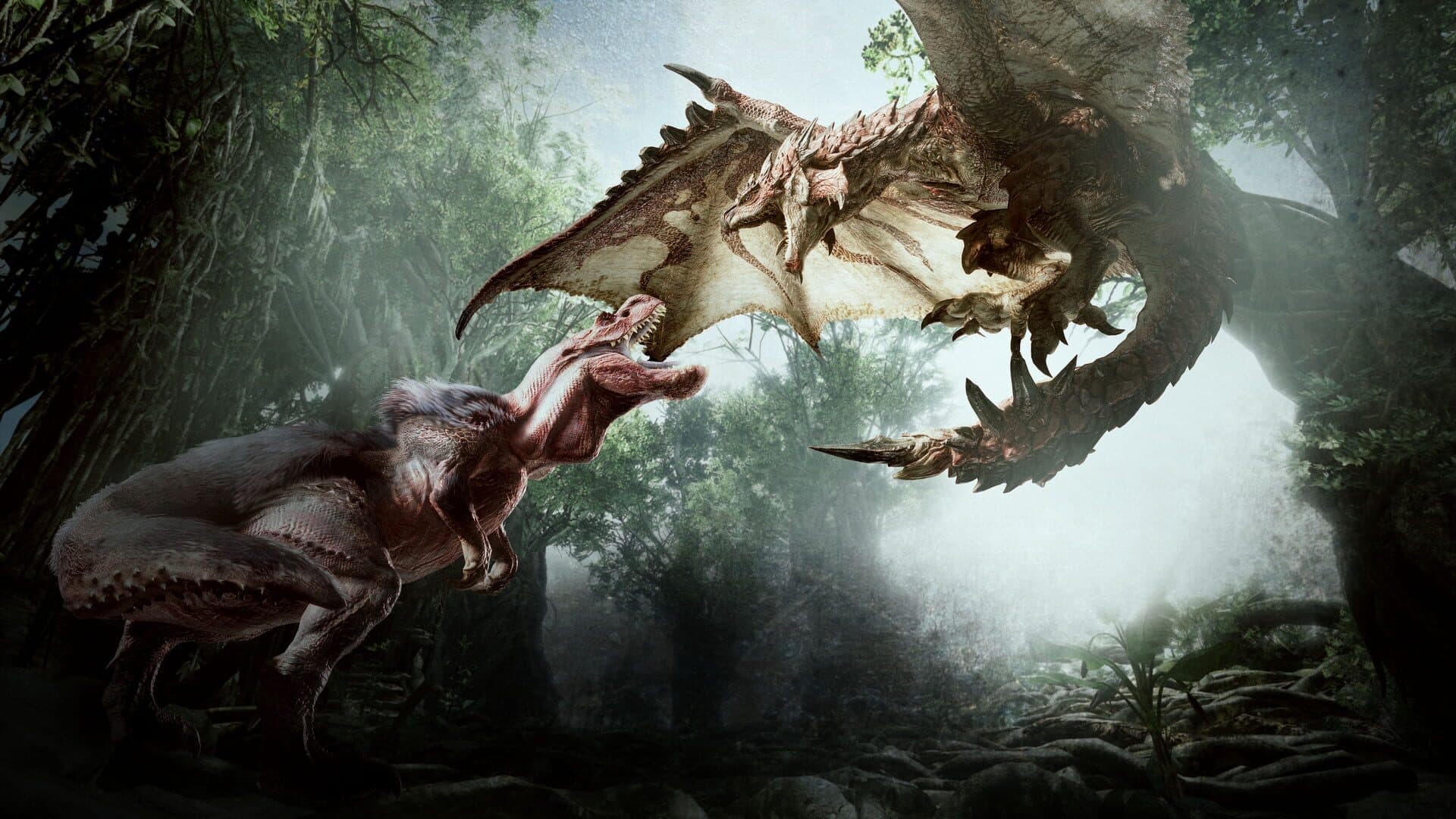
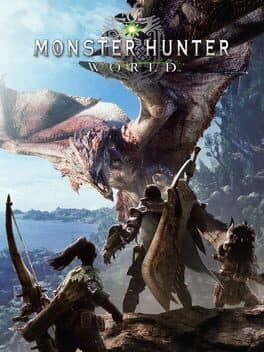
Monster Hunter: World is the game Capcom used to carry its hunting series to a mainstream audience. The idea is as simple as it is addictive: you're a hunter who tracks and takes down enormous creatures across living ecosystems, uses the materials they drop to forge better weapons and armor, then heads out after even deadlier prey. That loop of hunt, upgrade, hunt again is the heart of everything, and it's what keeps you playing for hundreds of hours.
What sets it apart
What separates World from a generic action game is its fourteen weapon types, each with a combat style so distinct it plays almost like a different class: from the slow, devastating great sword to the mobile bow or the aerial insect glaive. Picking a weapon isn't a cosmetic choice but a learning commitment, because each has its own mastery curve. On top of that sits your knowledge of every monster —its patterns, its weaknesses, how you trap and wear it down— a kind of understanding the game rewards with patience more than reflexes.
You can play solo through the campaign, but it shines brightest in co-op with up to three other hunters. Coordinating a long hunt, watching each other's backs and splitting roles turns every fight into a small tactical operation. The Iceborne expansion massively widened the package with Master Rank, new regions and tougher monsters; today the definitive version is the base game plus Iceborne.
What you pay for and what you don't
The model is buy-to-play: you pay once, with no subscription or fees. The base game on Steam sits around $30 and frequently drops below $10 in sales. The Iceborne expansion is sold separately (about $40, also often heavily discounted), and there's an Iceborne Master Edition bundle that packages base and expansion together. There are also Deluxe editions with optional cosmetic content. The key point: all event content and post-launch updates were free; the only thing sold on the side is cosmetic extras. You can start with just the base game and have plenty to play before you even consider the expansion.
Where it stands today
It's a complete, stable game, released in January 2018 (PS4/Xbox One) and August 2018 (PC). It no longer gets new content —temporary event support ended years ago— but it remains fully playable with active online servers. It has passed 30 million units sold, making it Capcom's best-selling title of all time, and it keeps a healthy population: on PC it averages around 11,000 concurrent players, with an all-time peak north of 334,000. After Monster Hunter Wilds launched in 2025 part of the community moved on, but World is still a recommended entry point with plenty of people around for co-op.
Who it's for (and who it isn't)
World is one of the best entry points to the franchise, and it fits perfectly if you enjoy progressing through builds, learning enemies inside out and sharing hunts with friends. If you like ARPGs with a high skill ceiling and don't mind putting in the hours, it's an easy purchase to justify at its sale price. That said, let's be honest: it isn't for players after quick sessions. Its hunts are long and demanding, and the game can be obtuse about explaining its own systems: dense menus, mechanics it never spells out, and an early curve that bounces plenty of newcomers. That friction is real. But it's also the flip side of its depth, and getting past it is exactly what hooks you. You can see more on its official site.
Screenshots
Artworks
Videos
Community reviews
Nobody has reviewed this game yet. You can be the first.