
About the game
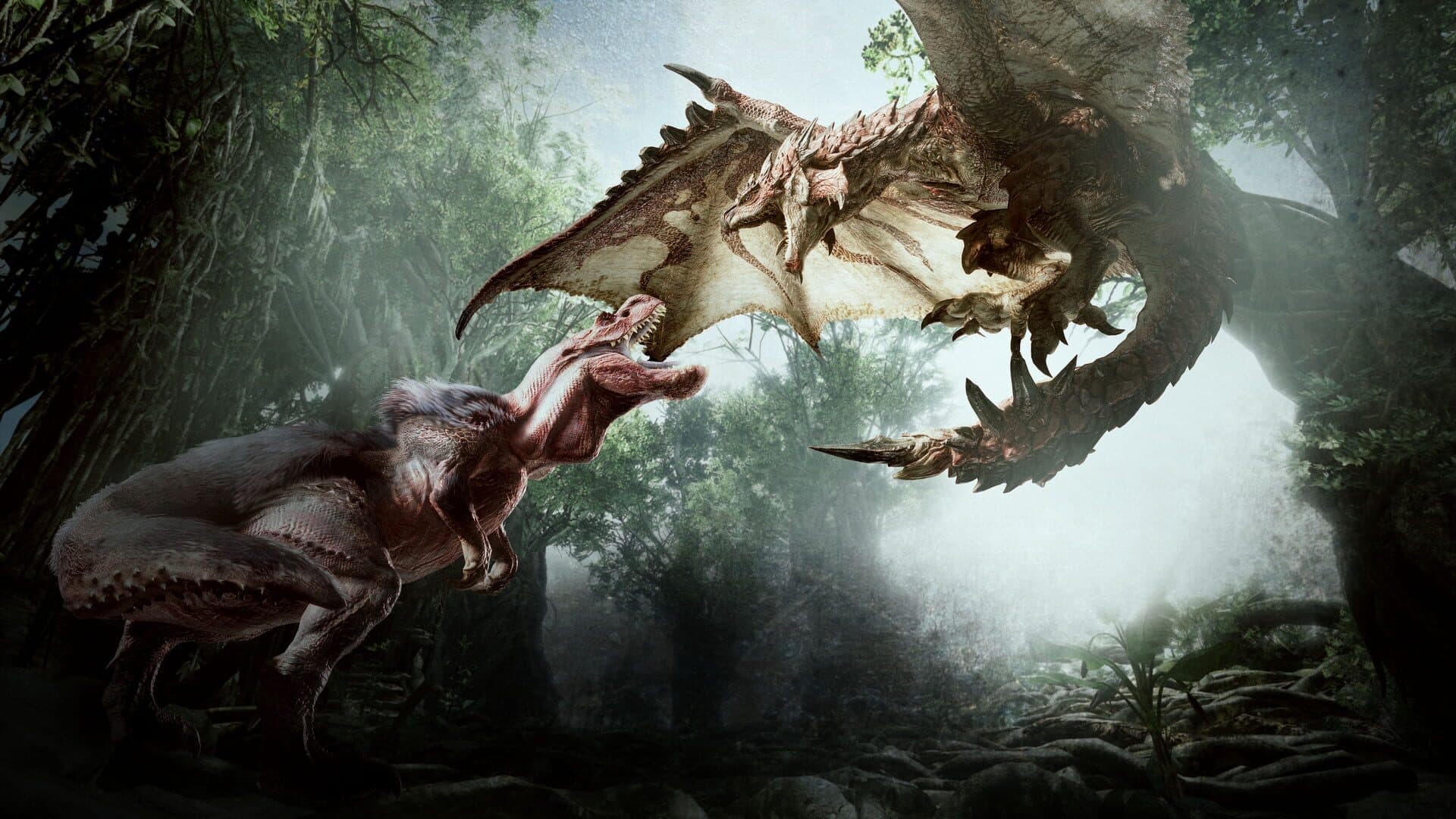
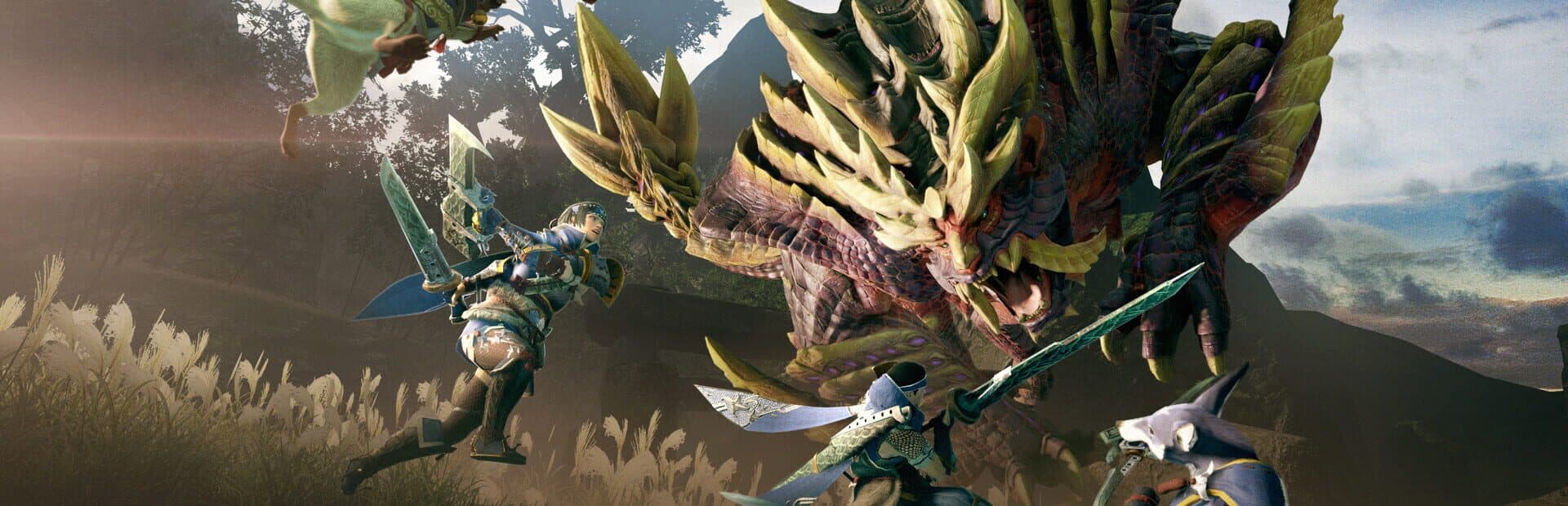
Monster Hunter Wilds is Capcom's newest mainline hunting game: a co-op action RPG built around a loop that's as simple as it is addictive. Track a colossal beast, learn how it moves, and bring it down; harvest its parts to forge new weapons and armor; then use that gear to take on something even nastier. Repeating that cycle—hunting so you can hunt better—is the heart of the game.
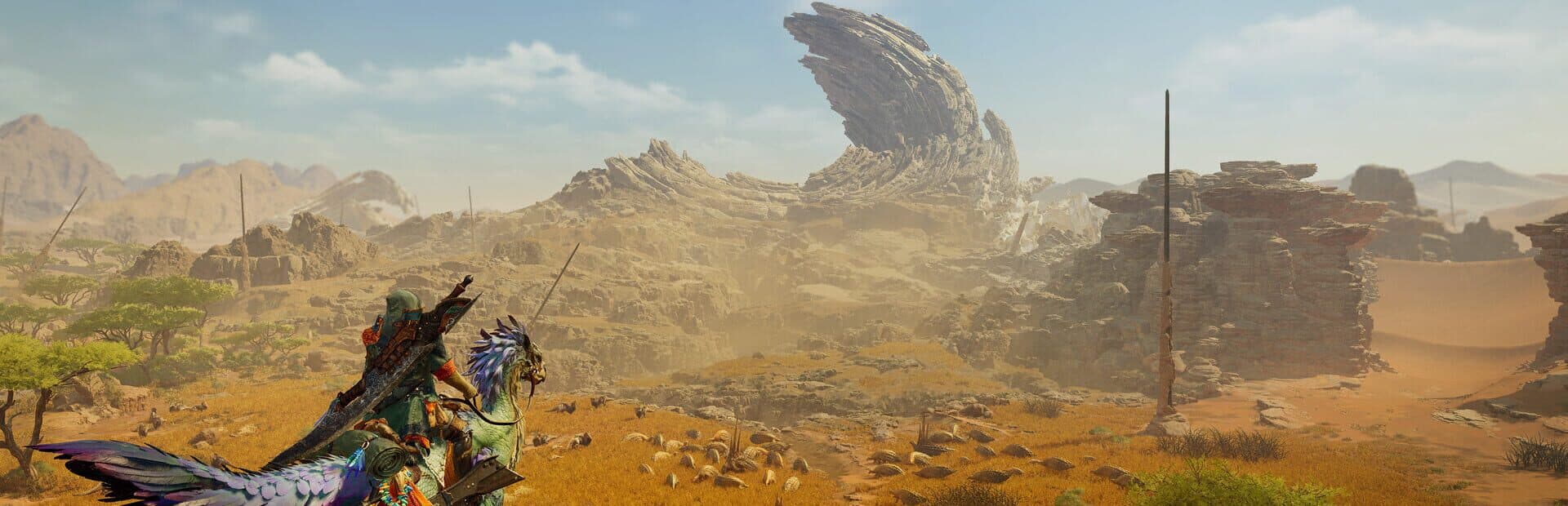
The big leap over Monster Hunter World is scale. The Forbidden Lands are one continuous, living open world: dynamic ecosystems, shifting weather, herds that migrate, and monsters that prey on one another. You get around on the Seikret, a mount that keeps traversal seamless and can carry you straight to your quarry while you ready your weapon. In combat, Focus Mode lets you aim at a monster's open wounds, and for the first time you can bring two weapons into a single hunt. Play solo with AI support hunters, or team up in co-op for up to four with crossplay across PC, PS5 and Xbox.
What you pay for—and what you don't
Wilds is a buy-to-play game. The standard edition launched at US$69.99, with Deluxe (~US$79.99) and Premium Deluxe (US$109.99) editions adding cosmetic packs and extras; those add-ons are also sold separately as the Deluxe Kit or the Cosmetic DLC Pass. The part that matters if you're on the fence: all the playable content in the Title Updates—new monsters, quests and systems—is free. Separately, Capcom sells around 200 cosmetic items as microtransactions, plus character- and Palico-edit vouchers (with one of each free), a practice that drew criticism. In 2026, roughly 18 months after launch, the game got a permanent price cut, and a paid expansion, Wilds: Ascendance, is due in 2027. You can check it out on the official site or its Steam page.
Where it stands today
Wilds launched on February 28, 2025 and was a massive commercial hit: a peak of around 1.3 million concurrent players on Steam at debut and more than 11.4 million copies sold by March 2026. By mid-2026, concurrency settled into the 23-26k range on Steam—the usual curve for a stable post-launch game. The cycle of free Title Updates wrapped up with the February 2026 update (after Gogmazios and a final Arch-tempered monster), and Capcom's focus then shifted to two things: the big Ascendance expansion in 2027—featuring Elder Dragons like Lao-Shan Lung and Kushala Daora and a zone up in the clouds—and a confirmed Nintendo Switch 2 port, still undated. Along the way, Capcom shipped several stability and performance patches to ease the issues the PC version had at launch.
Who it's for (and who it isn't)
It's the most welcoming entry point in the whole series. If you've never touched a Monster Hunter, Wilds eases you in: the story is more guided, the Seikret removes friction, and you can hunt solo with AI support hunters until the systems click. And if you're a veteran, the depth is fully intact—fourteen weapon types each with their own mastery curve, set-building, and the itch to optimize every hunt—plus the pull of co-op with friends on any platform. Above all, it's a game for people who enjoy the loop of upgrading gear by hunting; if that doesn't grab you, nothing here will.
It's also worth being honest about the rough edges. PC performance was the launch's big blemish and, while patches improved it, it's still something to weigh depending on your rig. The endgame started a bit thin and only filled out through the free updates, so today's experience is more complete than the one at release. And the cosmetic microtransactions—that classic Capcom habit of charging to edit your character—leave a sour taste, even if they don't touch the playable content. None of this breaks the game, but they're the edges worth keeping in mind before you dive in.
Screenshots
Artworks
Videos
Community reviews
Nobody has reviewed this game yet. You can be the first.