Mortal Online
About the game
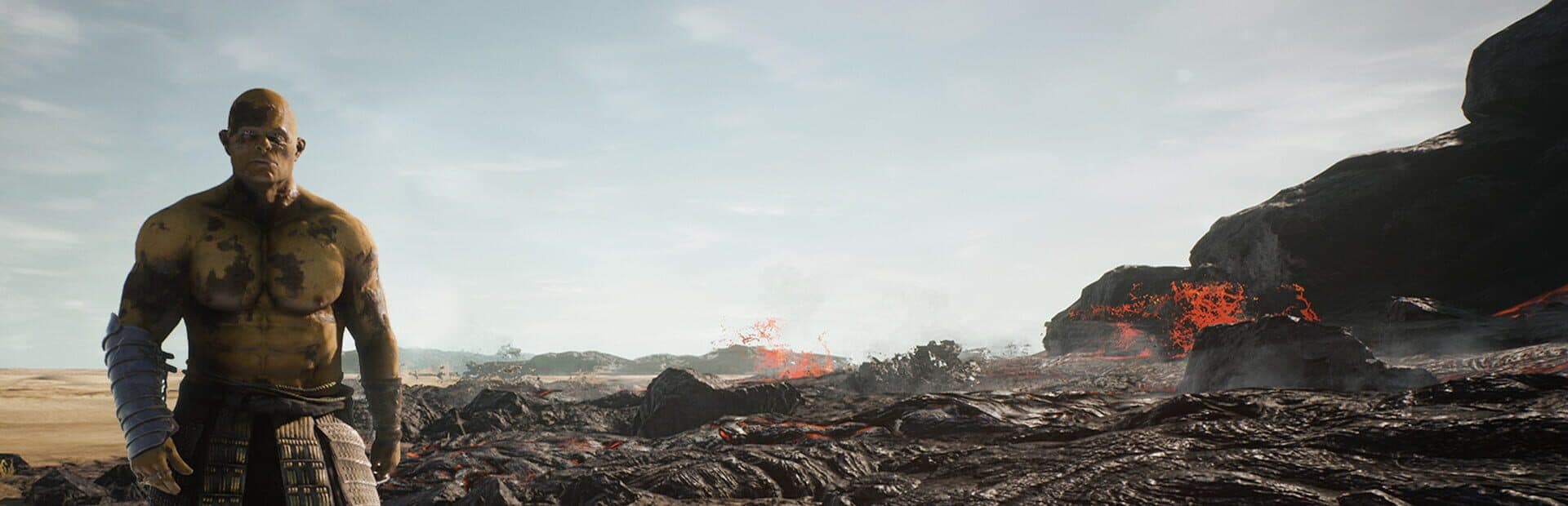
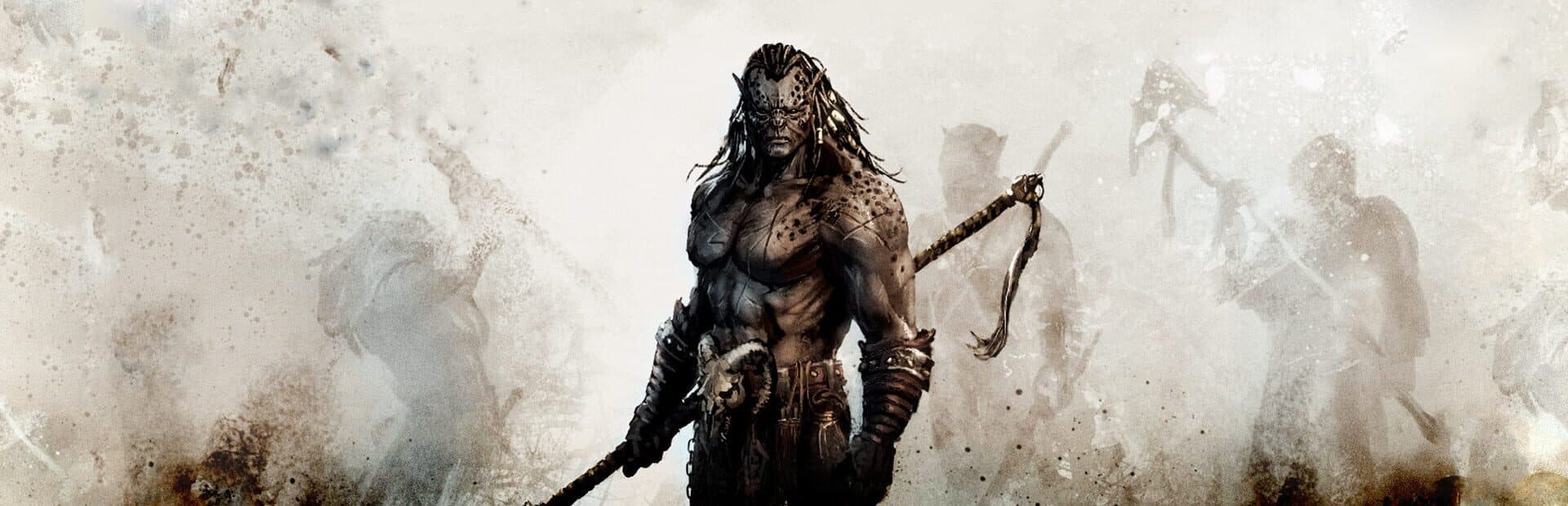
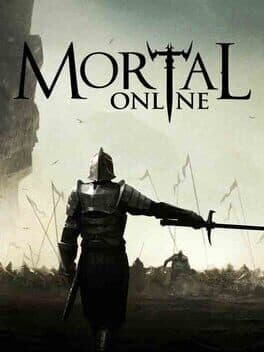
Mortal Online is the sandbox MMORPG Swedish studio Star Vault released in 2010 with one stubborn idea: take the freedom of the old persistent worlds and rebuild it as a first-person, fully 3D game. There are no quests holding your hand and no path laid out for you — just a huge continent, a handful of harsh rules, and thousands of decisions other players made before you showed up. What sets it apart isn't a mechanic, it's a stance: the game hands you a world and some tools, then refuses to care what happens next.
No levels, no classes: you learn by doing
Your character never levels up. It has attributes and skills that grow through use, and an identity defined by what it can actually do rather than by a class you picked at creation. You can be a blacksmith who barely holds a sword, a tamer who lives off his mounts, or a butcher who works open ground: the system neither stops you nor nudges you. Combat is real-time and manual — you aim, you judge distance, you manage stamina — so two characters that look identical on paper can fight in completely different ways. It's one of the harshest learning curves in the genre, and the game makes zero effort to soften it.
Everyone shares a single world, with no instances and no regional servers, and almost everything in it was made by players: weapons and armour forged from materials somebody had to go dig up, houses and keeps built piece by piece, tamed mounts, trade routes, guilds at war. Holding all of it together is full loot: die and you drop every single thing you were carrying. That one rule is what turns a walk into the woods into a gamble, and what makes safety something you negotiate with other people — escorts, alliances, reputation — instead of something the system guarantees.
What you pay for, and what you don't
It launched as a subscription-only game and moved in late 2012 to a hybrid model that's still in place. A free account can play with no time limit, but with a ceiling: every skill caps at 60, the thieving skills are off the table, and there are restrictions on looting and trading expensive items. A premium subscription raises that cap to 100 per skill and 1,100 total points; stop paying and those points aren't lost, they're frozen until you resubscribe. There's no microtransaction shop beyond extra character slots (up to four). Subscriptions are still sold on Steam — roughly $13.99 a month, $39.99 for three, $71.99 for six — and it's worth saying plainly: that's money for a product the studio no longer supports or patches.
Where it stands today: online, not maintained
The servers are still up, but the game is frozen. The last published branch is 1.88, and there's been no active development for years. The official forums have been down for a long time, and the official site is now a static page with the launcher, old patch notes and a couple of Discord links. Everyone assumed it would shut down when Mortal Online 2 arrived in January 2022 — the studio itself had said as much — but the switch was never flipped and the servers stayed on. The population is a rounding error: average concurrents you can count on one hand, with peaks of eight or twelve, against an all-time high of 1,172 back in September 2015. Steam reviews sit at "Mixed", 52% positive across some 2,900. Star Vault's attention is entirely on Mortal Online 2 and on its sci-fi MMO Mortal Exodus.
Who is it for today?
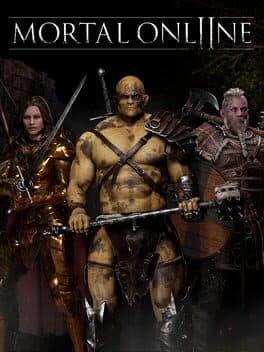
For the curious with a taste for archaeology. Mortal Online is a genuinely important piece of sandbox history — the most stubborn attempt to drag total freedom into first-person 3D — and wandering its ruins for free has a certain melancholy appeal. What it isn't today is a game to actually play: a sandbox lives or dies on the people inside it, and there's almost nobody left. If the pitch is what draws you — full loot, use-based skills, a player-run economy — that pitch is alive and maintained in Mortal Online 2, which is where the studio and the players are. The original is a monument with the lights still on: visit it if you like, but don't spend money on it.
Screenshots
Artworks
Community reviews
Nobody has reviewed this game yet. You can be the first.