Onigiri
About the game
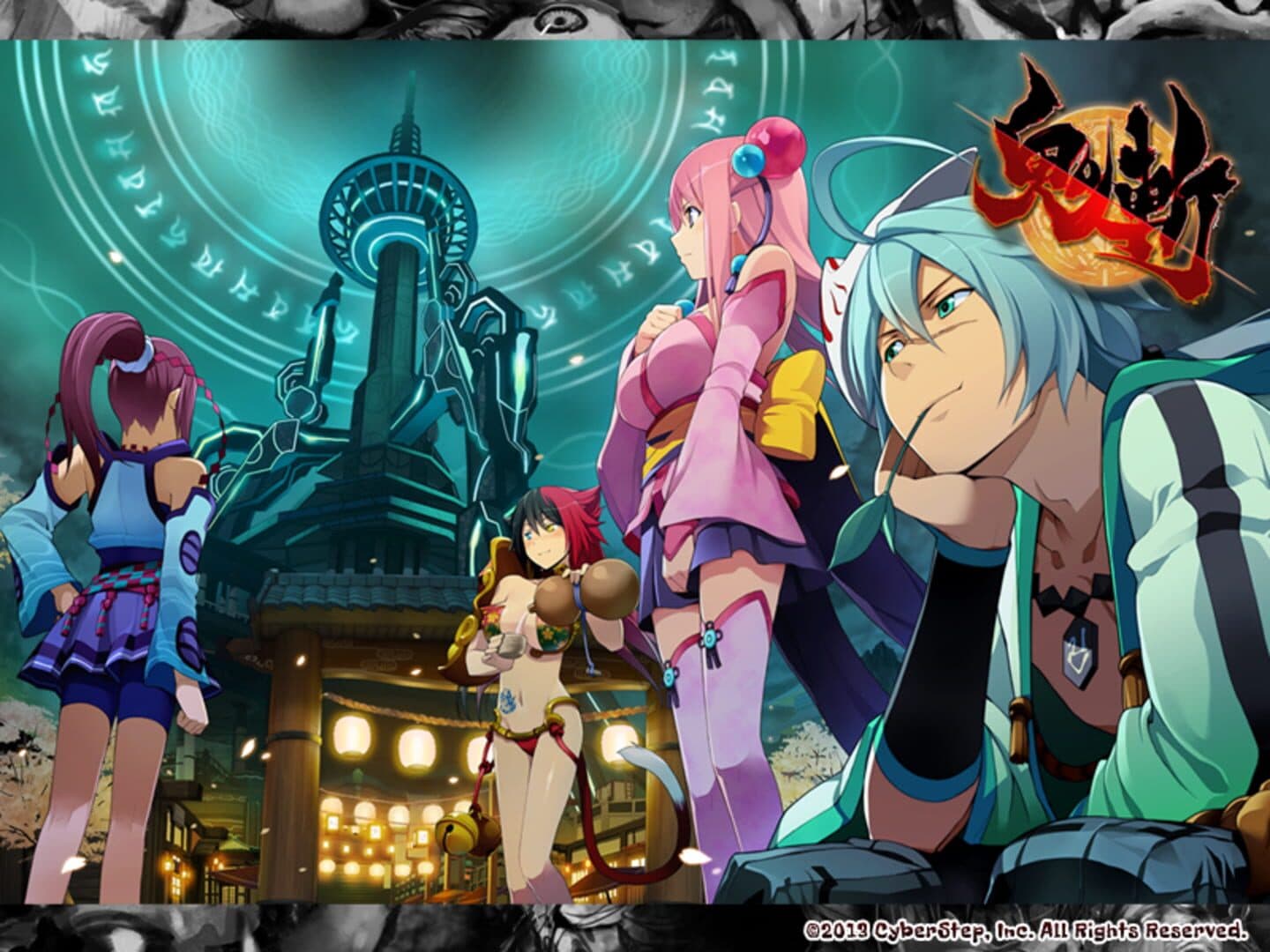
Onigiri is a free-to-play action MMORPG developed and published by CyberStep, set in a mythological Japan where gods, youkai and spirits that never quite left share the same roads. Your character is half human, half oni, and walks through a campaign built on anime art, Japanese voice acting and a tone that swings between epic and joke. What sets it apart isn't the story, which is merely fine, but the way it fights: there are no classes here, only weapons.
The weapon is the class
Your character is defined by whatever is in hand: sword, odachi, bow, claws, cannon or magic staff, each with its own rhythm, reach and skill tree that unlocks by using it. You equip two at once and swap between them mid-fight, so a combo can open at range with the bow and finish in the enemy's face with claws, no pause in between. That fast switching is the heart of the game and still its strongest argument: combat is direct, quick and noticeably livelier than most free-to-play MMOs of its generation. It also means one character can reinvent itself without rerolling — uncommon in 2014, and still convenient now.
The other half of the game is its eight NPC partners, who follow the story, join you on quests and grow closer through gifts until their own scenes open up. Because of them, a good chunk of the campaign and its dungeons can be cleared solo, without waiting for other people to log in — a detail that has gone from convenience to necessity over the years. Co-op content exists and the harder dungeons expect a group, but the game never forces you to socialize to move forward.
What you pay for and what you don't
There's no box price and no subscription: the full campaign, every weapon type and the dungeons are free from minute one, both on Steam and on PS4. The shop runs on Onigiri Coins, a premium currency sold in packs, and most of the spending flows into the Nyankoropon gacha: several machines with rotating prizes, single or five-at-a-time pulls, plus free tickets handed out during events. The rest is cosmetics and outfits, inventory expansions and convenience items like stamina refills and revival tokens; there's also a player bazaar running on in-game currency. Go in knowing this much: finishing the story costs nothing, but top-tier gear rewards spending, and the weight of the gacha is the complaint its own community repeats most often.
Where it stands today
It's still live and actively supported, though down to two platforms: PC via Steam and PlayStation 4. CyberStep runs weekly maintenance and posts patch notes almost every week on the official site, but new content arrives as events, rotating challenge dungeons and fresh gacha lineups, plus the expected seasonal celebrations. There's no public roadmap and no numbered expansions: the cadence is upkeep and festivity, not major updates. This is a game being maintained, not one that's growing.
There are two sides to that coin. First, the population is small: Steam concurrents sit in the low double digits, with modest spikes during events, so outside peak hours the world feels lonely and putting a group together for the hard content can take a while. Second, the shutdown history is long: the PS Vita, Xbox One and Nintendo Switch versions are gone, as is the standalone English PC client and the Onigiri Heroes spin-off, which didn't last a year. None of that threatens the versions still standing, but it explains why the surviving community is as small as it is loyal — and its mostly positive Steam reviews come from exactly those people.
Who it's for (and who it isn't)
Onigiri works for anyone after an anime action MMORPG you can play alone, with fast combat, zero cost and no need to assemble a group to make progress; the Japanese folklore is used well and the original voice work carries the campaign further than it should. It doesn't work for anyone expecting modern visuals — its age shows, plainly — or a busy world, or an endgame free of grinding and gacha, because dungeons repeat and the gear ceiling is tied to the shop. In short, it's an old game that aged with some dignity: it's worth playing for its weapon system, not its scale, and it's best approached as an action campaign with NPC friends rather than an MMO to settle into for years.
Screenshots
Artworks
Videos
Community reviews
Nobody has reviewed this game yet. You can be the first.