SoulWorker
About the game
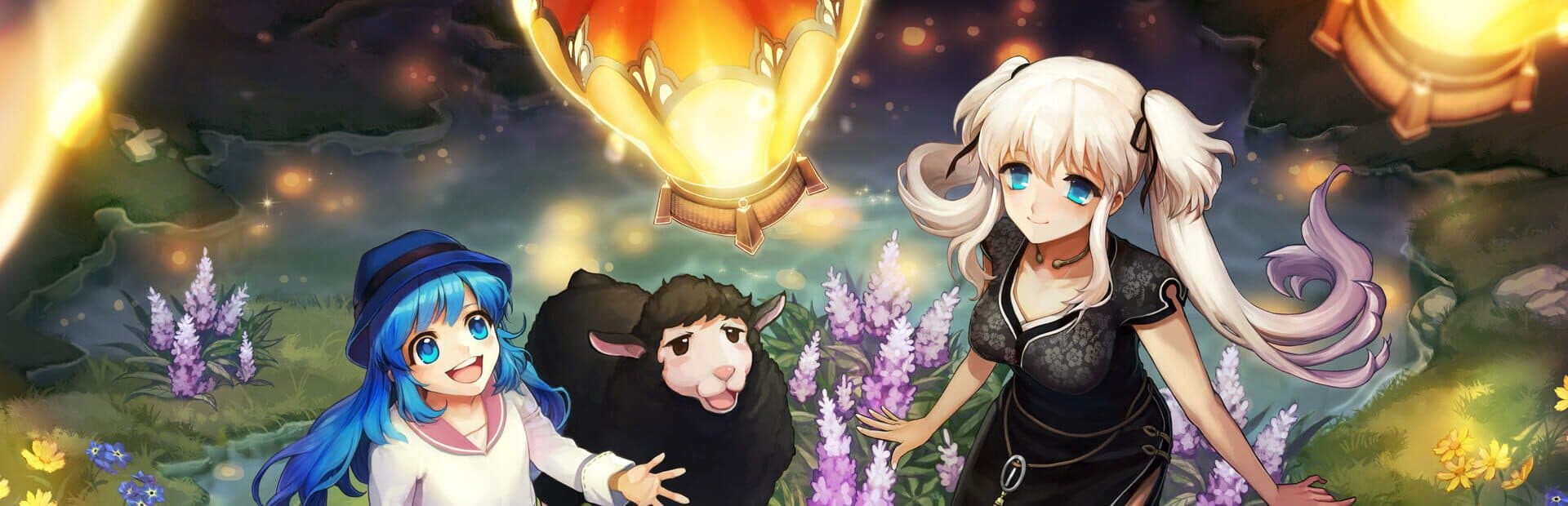
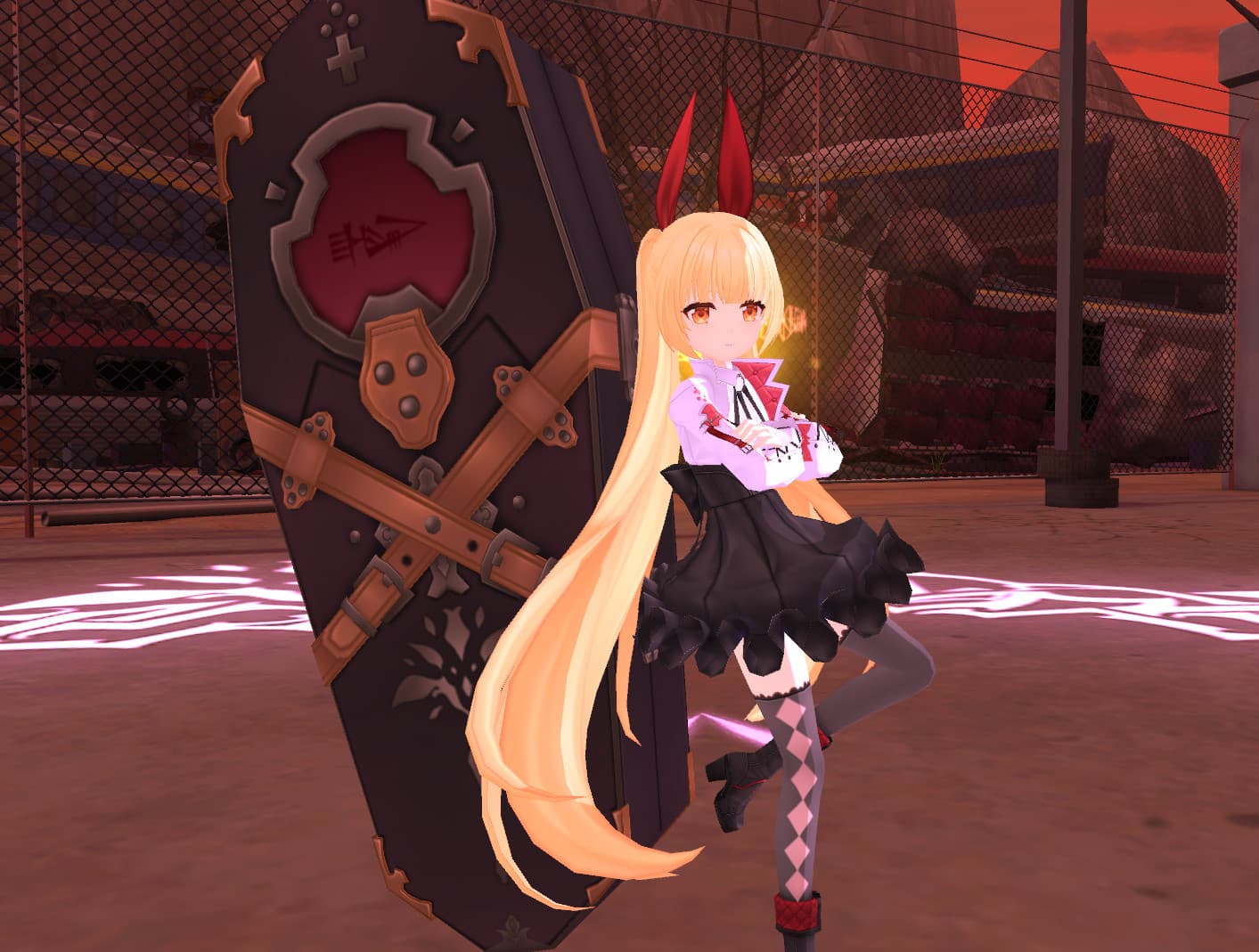
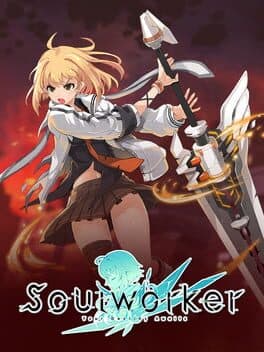
SoulWorker is an anime-styled action MMORPG where you play one of the few teenagers who awakened psychic powers after an invasion of creatures from the Void. The world has been hollowed out: ruined cities, empty streets and an episodic campaign that unfolds as your group tries to piece together what happened. The premise is standard anime fare, but the cel-shaded art direction gives it an identity of its own that remains, years later, its strongest card.
One character, one weapon, one style
There is no class builder here and no talent tree to respec: you pick a character and you get their weapon — sword, pistols, scythe, guitar, hammer, rifle — plus a combat style that belongs to them alone. Switching styles means levelling another character from scratch, so that first pick carries far more weight than in most MMOs. Combat is straight action: fast combos, cancels, timed dodges and bosses whose patterns you learn by heart before you can beat them.
The content is built around instanced dungeons for up to four players: more than a hundred stages, plus difficulty tiers that recycle the same maps with tougher bosses. Between runs you head back to the hub cities to upgrade gear, and the story unlocks episode by episode. It is a short, readable loop that carries you happily through the first few dozen hours; the trouble starts afterwards, when the endgame boils down to repeating those same dungeons to farm upgrades.
What you pay for and what you don't
SoulWorker is pure free to play: you download it at no cost on Steam or through VALOFE's VFUN launcher, there is no subscription and no box price, and the full campaign is available from minute one. The money comes from the cash shop: mostly rotating cosmetics (outfits, hairstyles, accessories, pets), along with inventory and storage expansions, experience and currency boosters, and keycards that open extra rewards at the end of a dungeon. Steam adds two paid bundles: a Starter Pack limited to one per account and only before level 25, and a roughly 25 USD Premium Pack with inventory tickets, keycards and consumables.
Gear is never sold outright, yet cosmetics can be resold between players for in-game currency, so the advantage does get bought, just indirectly. The long-standing complaint from the Western community, though, is less about what is sold than about the price: it sits well above what the same items cost in the Japanese and Korean versions. None of it gates the campaign — you can finish it without spending a cent — but convenience (space, progression speed, looking good) lives in the shop.
Where the game stands today
It is live, but closer to maintenance than to development. The Western version changed hands repeatedly: the North American and European servers shut down in April 2021 and the game returned soon after as a global service built on the Taiwanese client; since January 2024 VALOFE has been running it. Since then the official news channel has posted little beyond maintenance notices, with no announced content patches and no public roadmap, and the last new playable character — the ninth — reached the global version back in 2021.
The population matches that pace: from a peak of more than ten thousand concurrent players on Steam during the relaunch, the average has fallen to a little over a hundred, sliding further month after month. Recent reviews sit far below the game's positive lifetime score, and the complaints repeat themselves: no new content, poor optimisation, and the feeling that the studio has moved its resources to other projects in the franchise. In practice that means much of the journey is played solo — not by choice, but because there is nobody around to group with.
Who it's for
SoulWorker is a solid pick if you want a free anime hack and slash to play at your own pace, with art direction that has aged well and combat that feels genuinely good in the hands, and you are not expecting much from the MMO half. It is not the right call if you want a populated world, fresh content every season, or an endgame worth sticking around for. It costs exactly what it costs — nothing — and it is worth going in knowing that what is there today is, almost certainly, what will still be there a year from now.
Screenshots
Artworks
Videos
Community reviews
Nobody has reviewed this game yet. You can be the first.