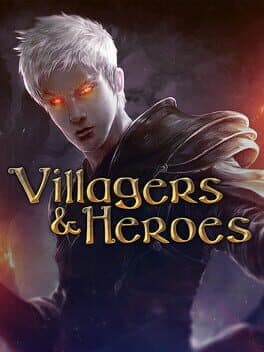
Villagers & Heroes
About the game
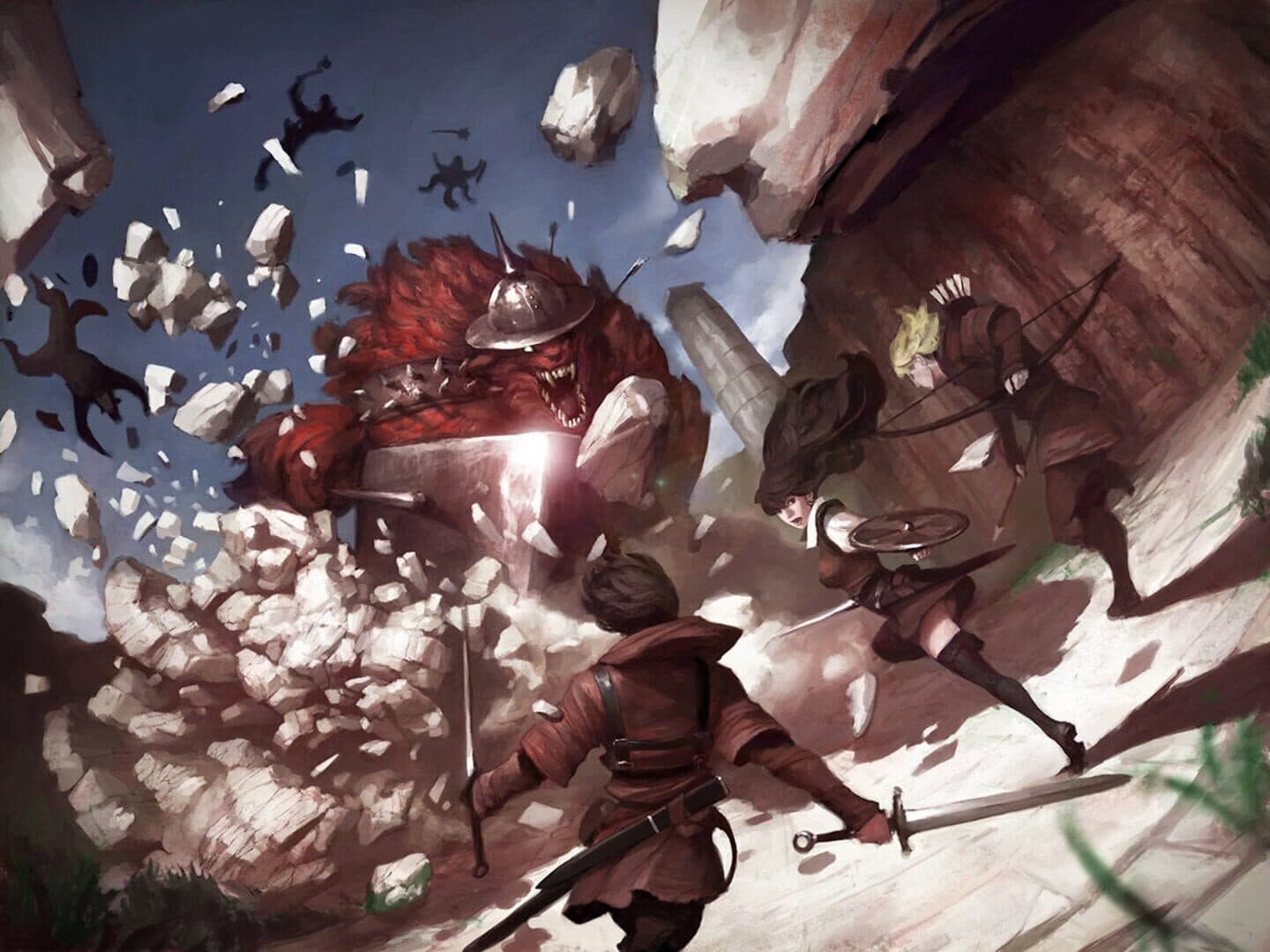
Villagers & Heroes is a free-to-play fantasy MMORPG set in the realm of Ardent, and it has been in the hands of the same studio since 2011: Mad Otter Games, a tiny independent team that keeps it alive patch by patch. Its core idea is a double one. You can live it as a hero —five classes with talent trees, co-op dungeons, raids for up to fifteen players and thousands of voiced quests— or as a villager: fishing, mining, farming, raising animals and furnishing your house inside your guild's village. Most players do both, and the game is built so that neither half is a footnote to the other.
What sets it apart
The villager half is what genuinely separates it from the pack. Gathering and crafting aren't chores on the way to combat: they're a full progression track, with their own levels, their own recipes and their own endgame. You can level up fishing and planting as readily as killing things, and there are players who barely draw a sword. The other foundational choice is that there is no PvP in any form: everything —guild villages, markets, raids, seasonal events— pushes cooperation over competition, and that gives it an unusual tone for the genre, closer to small-town life than to an arms race.
It runs on PC (through Steam or the official site client), Android and iOS, off a single account and the same shared world across all of them. There are no platform-split servers: phone players and desktop players meet in the same zones. Its veteran engine shows in both directions —it runs remarkably well on a modest phone and looks clearly dated on a big monitor— and the interface is available in Spanish.
What you pay for and what you don't
The whole game is free: there's no up-front purchase and no content locked behind a mandatory payment. Monetization runs on two legs. The first is the Crowns shop, the premium currency you buy on the official site or in game, spent on mounts, outfits, bag and bank expansions, consumables and loot boxes (the Steam page explicitly discloses random-chance purchases). The second is the Ardent Society Membership subscription: optional, but clearly advantageous. It doubles combat, gathering, crafting, gardening and husbandry experience, grants unlimited travel-pad hops, an extra shared stash tab, an exclusive mount, outfit and pet, a store discount and a monthly bundle of consumables. It's sold in 30-, 90- and 180-day blocks, with the monthly plan sitting around $10.
The most-argued part of the subscription isn't the money but the calendar: big expansions tend to open for members first and reach everyone else later. With no PvP, the pay-to-win debate is milder here than in other MMOs —paying speeds you up, it doesn't win for you— but go in knowing that progress without membership is noticeably slower, and that in a game this centred on gathering, inventory expansion starts to feel close to mandatory over time.
Where the game stands
It remains active and in continuous development, with a remarkably steady patch every two to four weeks and raid seasons that rotate. The The Crux expansion closed out its third part and pushed the level cap to 100; the current reference content is The Battle for the Nexus, an episodic endgame in which three factions —The Gilded Coil, The Sea Scourge and The Hive— fight over a magical nexus, each with its own instanced tower, reputation track, gear and recipes, alongside non-combat activities aimed at the gathering crowd. The studio communicates through its official forums and a regular newsletter.
Population needs careful reading. Steam shows only dozens of concurrent players, a number that looks alarming in isolation; the bulk of the game lives on mobile, with over a million installs on Google Play and several million registered accounts according to the studio. Even so, this is a thinly populated world: groups for dungeons and raids come together mostly at peak hours and through your guild, and an active village changes the experience entirely.
Who it's for
It's for anyone who wants an MMORPG with no rush: someone who enjoys fishing, farming and decorating as much as levelling, who's after a small, friendly community rather than a massive server, and who wants to keep playing from a phone in a spare ten minutes. It works nicely as a secondary MMO and as an entry point for newcomers to the genre, because nothing forces you to compete with anyone.
The downsides deserve saying out loud, too. The visuals and UI are dated, with stiff animations and a world that looks modest next to any recent MMO. The grind is real, especially in the trade skills and without a membership. Loot boxes are there and they're part of the business. And the studio's size shows: content lands in small portions, pieces get delayed, and there's no big-MMO production muscle behind it. If you're after technical spectacle, PvP or a crowded world, this isn't your game. If what you want is a quiet place to come back to, kept going with care by people who pay attention, Villagers & Heroes is one of the few still doing that.
Screenshots
Artworks
Videos
Community reviews
Nobody has reviewed this game yet. You can be the first.