Echo of Soul
About the game
Echo of Soul is a Korean fantasy MMORPG that launched in 2013 in Korea and reached the West in 2015, and against all odds it is still running more than a decade later. You play a Soulkeeper, a chosen warrior in the service of the world's goddesses, and that premise feeds its one genuinely distinctive idea: the soul system. Fallen enemies drop souls you can either purify or corrupt, and each path gives you something different — temporary buffs, crafting materials, upgrade fuel for your gear. It is a simple mechanic, but it runs through the whole game and gives it an identity a lot of themeparks from that generation never found.
An old-school themepark, and proud of it
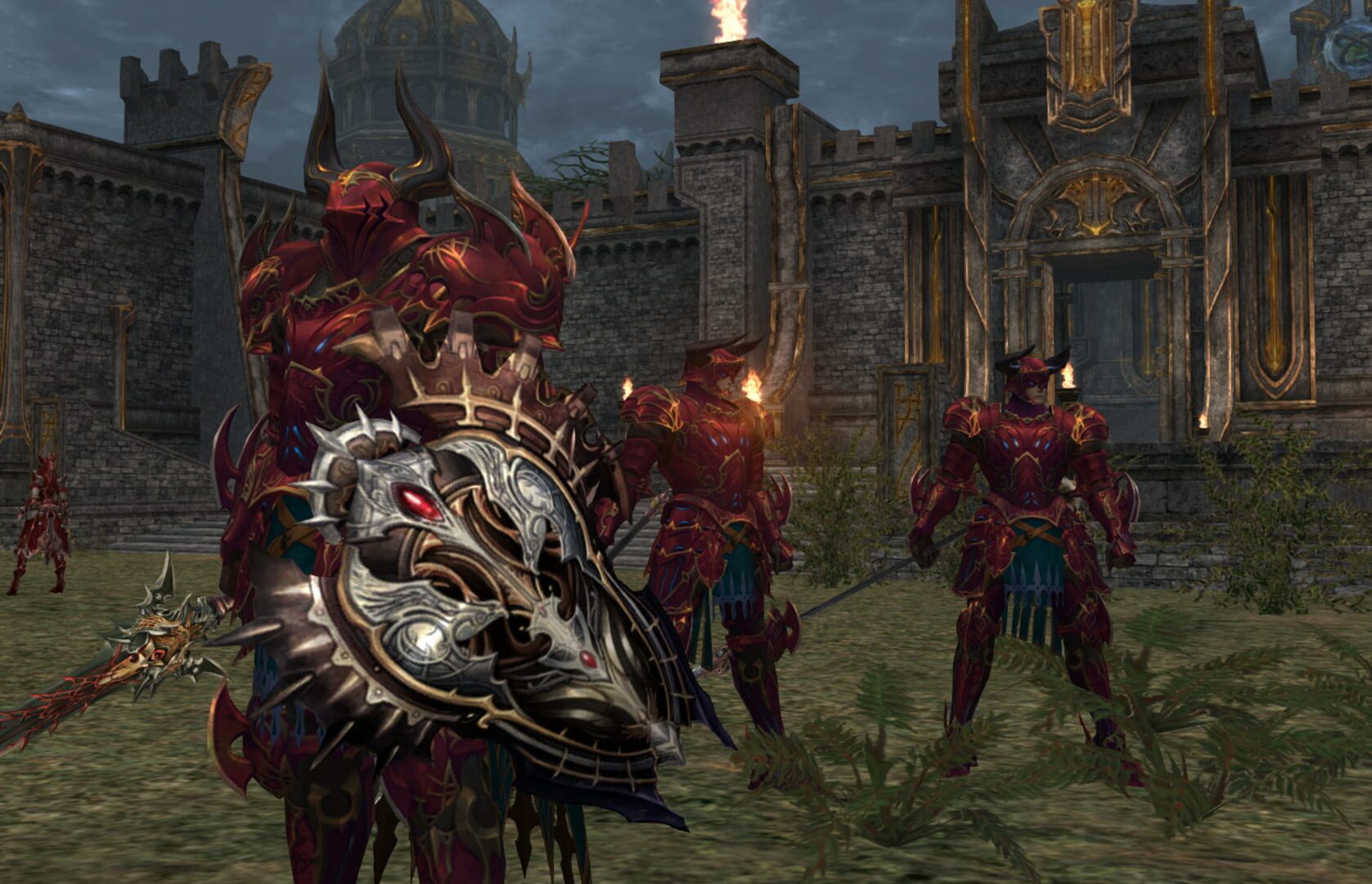
Everything around the soul system is classic MMORPG and makes no pretense otherwise: tab-target combat with free WASD movement, hundreds of chained quests that walk you zone by zone, party dungeons, raids, battlegrounds and arena. The level cap has sat at 99 since the 3.0 The Blue update, and high-level content stretches out to the continent of Kharath, which added close to four hundred quests and five dungeons. The endgame, though, is pure vertical progression: gems, refining and power stones to push your gear one step higher, over and over.
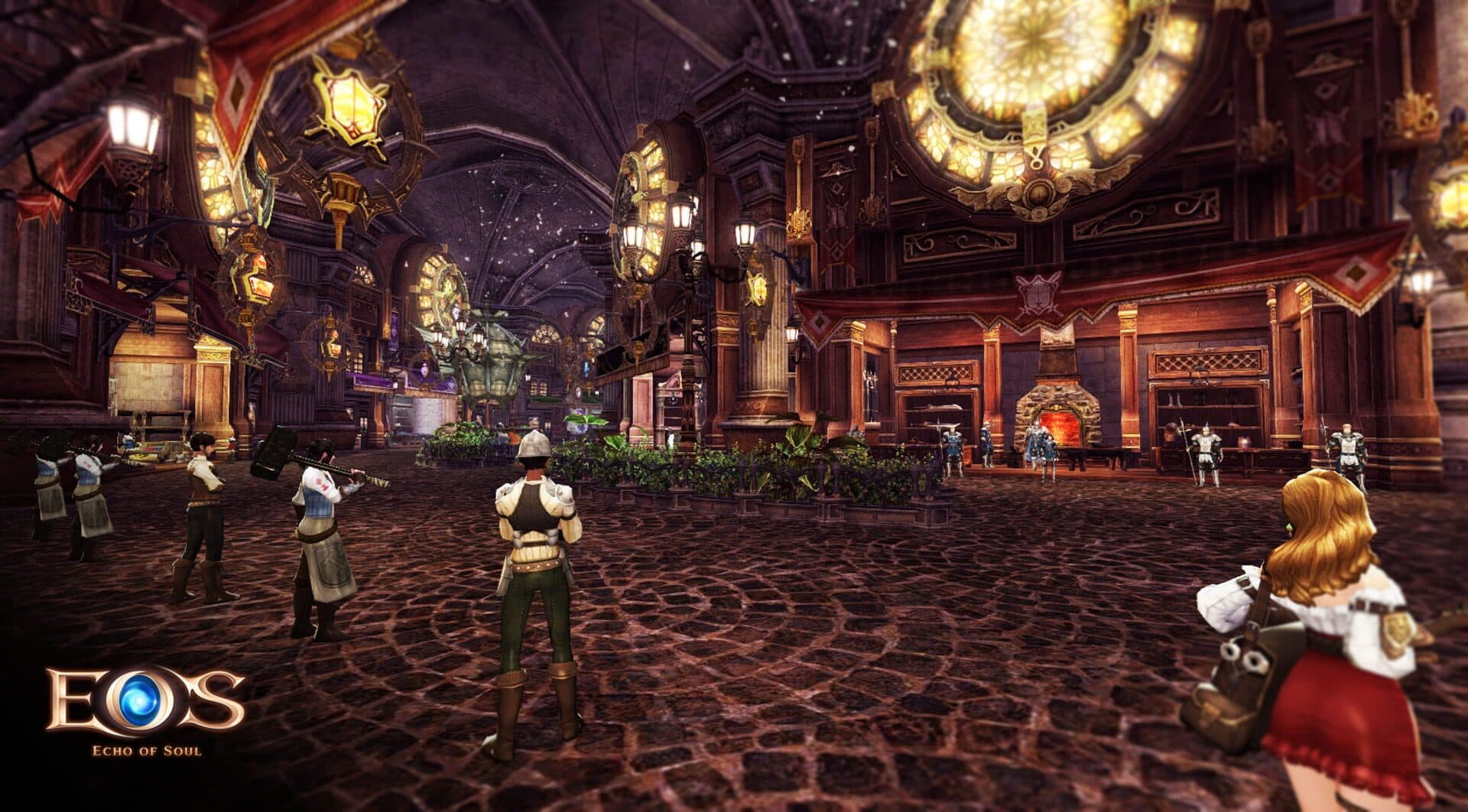
One detail sets it apart from the mold: there is no dedicated healer class. Healing is spread across every role, so putting a group together doesn't hinge on waiting for a healer, and co-op content feels more aggressive than the classic trinity allows. Technically it shows its age — the engine is from 2013 and doesn't hide it — but the zones are well built, it runs on almost anything, and the character creator is still surprisingly generous for a game this old.
What you pay for, and what you don't
It is pure free to play: no box price, no mandatory subscription, and the client downloads straight from the official site. Monetization runs through the platform store, with premium currency bought for real money and spent on cosmetics, mounts, name and appearance changes, inventory expansions, convenience buffs and — here's the sore spot — refining and gear upgrade items. The road to max level is generous and costs you nothing; it's the gem-and-refining endgame that separates payers from everyone else, because money there doesn't buy raw power outright but it does speed things up enormously. As a counterweight, the publisher hands out premium through login campaigns and playtime rewards fairly consistently.
Where it stands today
Alive and supported, if quietly. The game came close to disappearing: gamigo shut the service down in July 2022 when its license expired, and Papaya Play picked up global publishing shortly after. The handover went about as smoothly as these things go — account transfers carried progression, items and achievements, though not character names, and premium currency bought under the previous publisher didn't make the trip. The technical base is still the 3.0 The Blue version, with God Stone and Soul Share layered on top of the Wrath of the Goddess expansion content.
Since then the rhythm is monthly patches and events: difficulty tuning on high-level content, raised caps for gems and refining, and seasonal events rotating through the year. What there isn't is a public roadmap for a big expansion — the current team maintains, tunes economy and difficulty, and keeps the event cycle turning. The population is small and concentrated on the global servers, and most of the community life happens on Discord and social channels rather than on the site itself. If you're coming from a crowded MMO the contrast is noticeable; if you want a quiet world where nobody's shoving, less so.
Who it's for (and who it isn't)
Echo of Soul is for anyone who misses the themepark MMORPG of fifteen years ago and doesn't need it apologized for: long guided leveling, quests by the hundred, dungeons with a party, and a numbers endgame that climbs slowly. It helps that it's genuinely free all the way through the campaign, that it runs on a modest machine, and that the official beginner guide is enough to get started without hunting around. It is not for anyone after modern action combat, current-gen visuals, a busy world, or an endgame that doesn't hinge on grinding gear upgrades — the store carries real weight there, and pretending otherwise would be dishonest. As a low-commitment MMORPG with a mechanic of its own that still holds up, it makes its case; as the game that will eat your next two years, it's a harder sell.
Screenshots
Videos
Community reviews
Nobody has reviewed this game yet. You can be the first.