StatusLive
ModelF2P
SpanishNo Spanish
Platforms
About the game
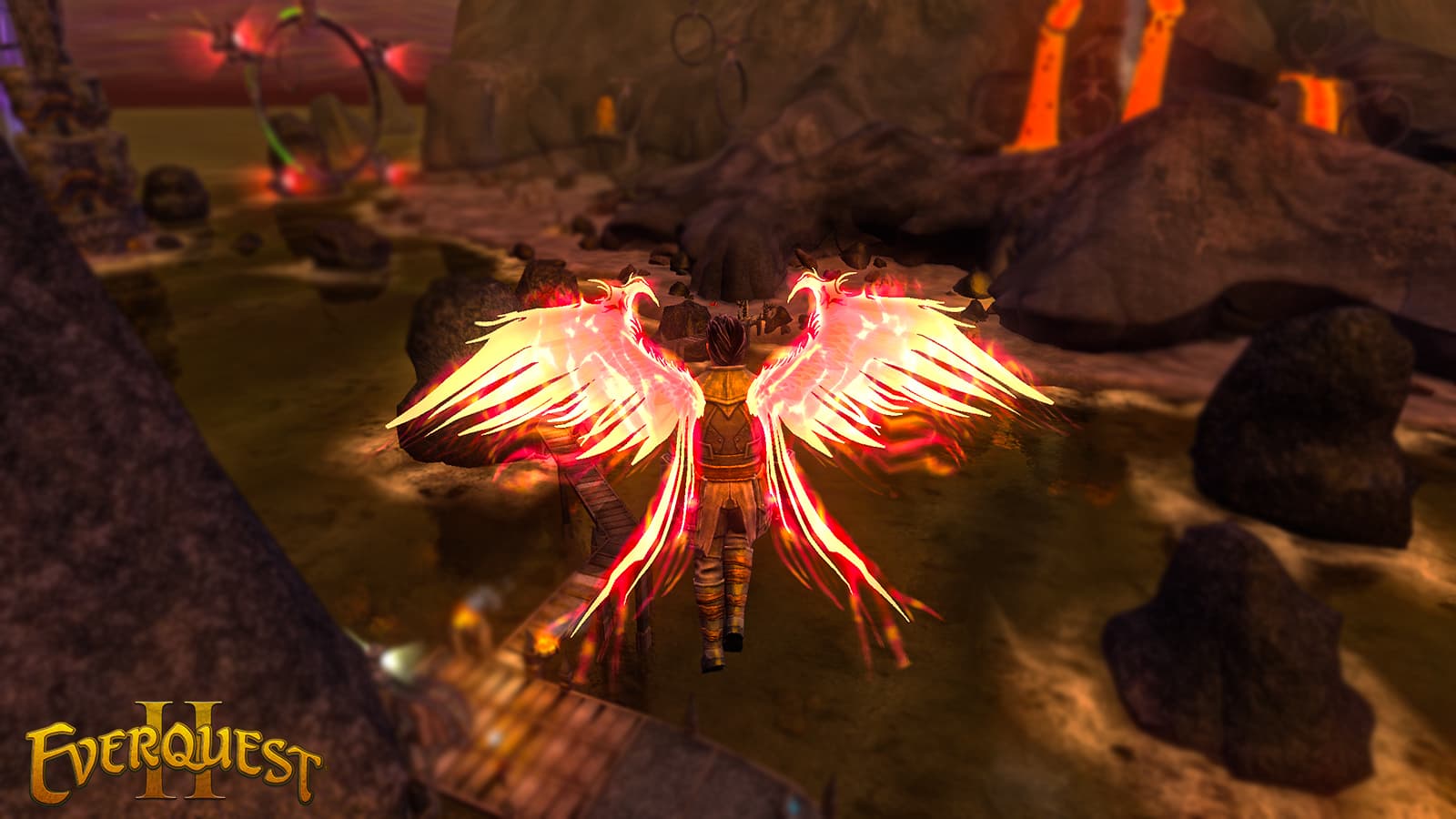
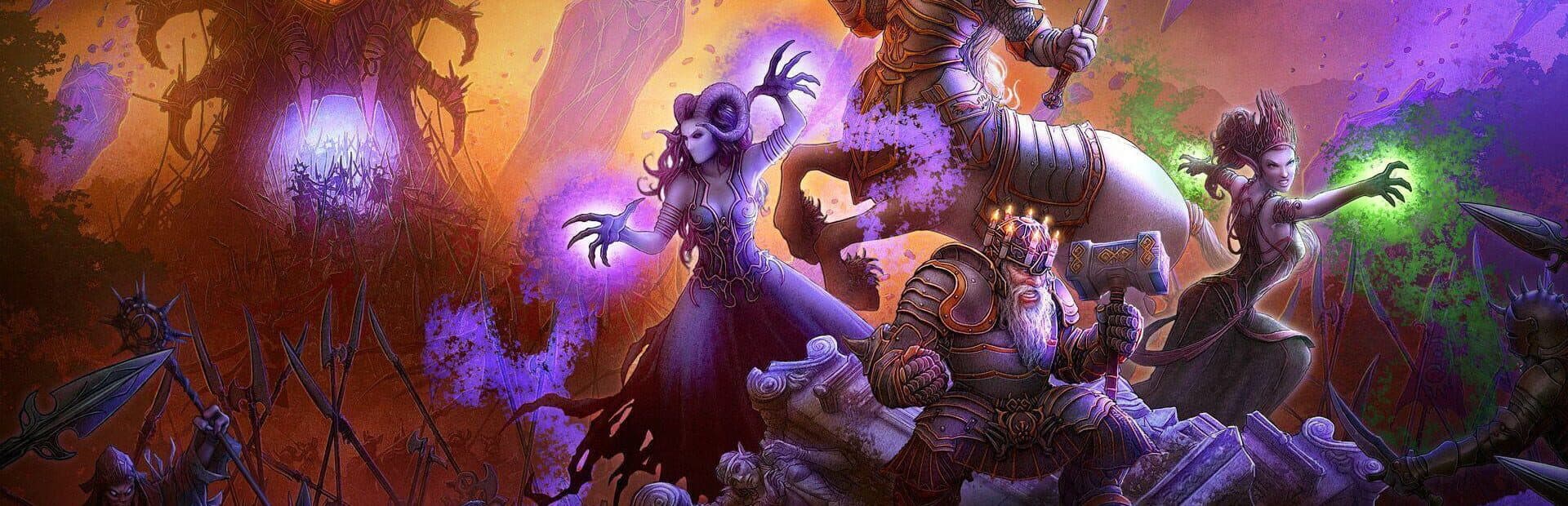
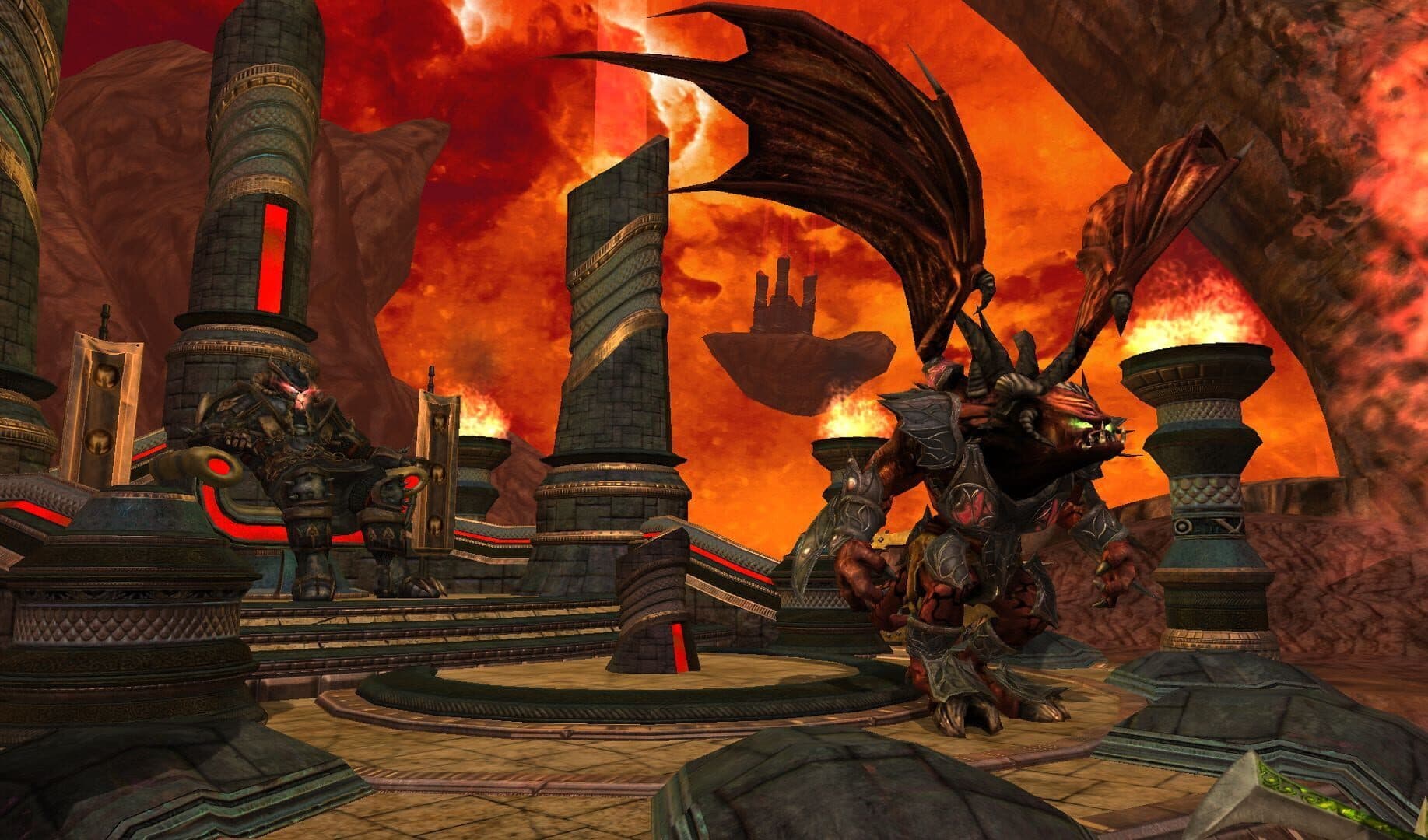
EverQuest II is a fantasy MMORPG set in the realm of Norrath, the sequel to the genre-defining EverQuest and one of the longest-running online worlds still standing more than twenty years after its 2004 launch. It delivers the classic massively multiplayer formula: build a character from dozens of classes and races, explore a sprawling world split across hundreds of zones, and progress through quests, group dungeons —the heroics— and endgame raids.
What sets it apart from other MMORPGs is its enormous stack of accumulated content: over twenty expansions piled up across two decades, a genuinely deep crafting and player economy, and player housing, a decoration-and-homes feature it was among the first to popularize. This is not a world you clear in a weekend.
Where it stands today
Despite its age, it's still alive and in active development. Its latest expansion, Rage of Cthurath, the 22nd, arrived in December 2025: it raised the level cap to 135 and added five cosmic-horror zones set in the Void, tiered heroic dungeons and fresh endgame content. The studio, Darkpaw Games, keeps a steady rhythm of one expansion a year plus regular game updates and special-ruleset servers (the Time-Locked / Origins ones) that reset the world back to the early expansions for players who want to relive the classic progression. You can follow the game's state on the official site.
The flip side is the population: this is a niche game, on the order of a couple thousand concurrent players according to unofficial trackers. It's a small but stable and devoted community, leaning more toward endgame and guild life than a steady trickle of newcomers.
What you pay for and what you don't
EverQuest II is free-to-play at its base: you can play a very large chunk of the content for free, up to a certain level and expansion point. On top of that sits an optional subscription, All Access, at US$14.99 a month (cheaper on longer plans), which beyond lifting restrictions grants monthly store currency, discounts and shared access to other games in the same group. The yearly expansions are bought separately —the latest starts around US$35 for the standard edition, with pricier deluxe tiers— and alongside them run a microtransaction Marketplace and Krono, 30-day membership tokens players trade among themselves in-game. The subscription details live on the official membership page.
Who it's for
This is a game for players who want depth and long-haul progression: hundreds of hours of quests, crafting, raids and home decorating before you hit the ceiling. If you're coming from slicker, more guided modern MMORPGs, the slow pace, the veteran interface and the entry curve can be a hurdle; if what you want is a big world to lose yourself in for months, few still standing have this much piled up.
It's worth being honest about the downsides: it shows its age in graphics and interface, the community is small, and much of the newest content sits behind paid expansions. But for the player who isn't put off by that, EverQuest II remains one of the most complete classic MMORPGs still standing —and one of the ones with the most left to do.
Screenshots
Artworks
Videos
Community reviews
A few more reviews and we'll publish the averageso far: 0 of 5
Nobody has reviewed this game yet. You can be the first.