Reign of Guilds
About the game
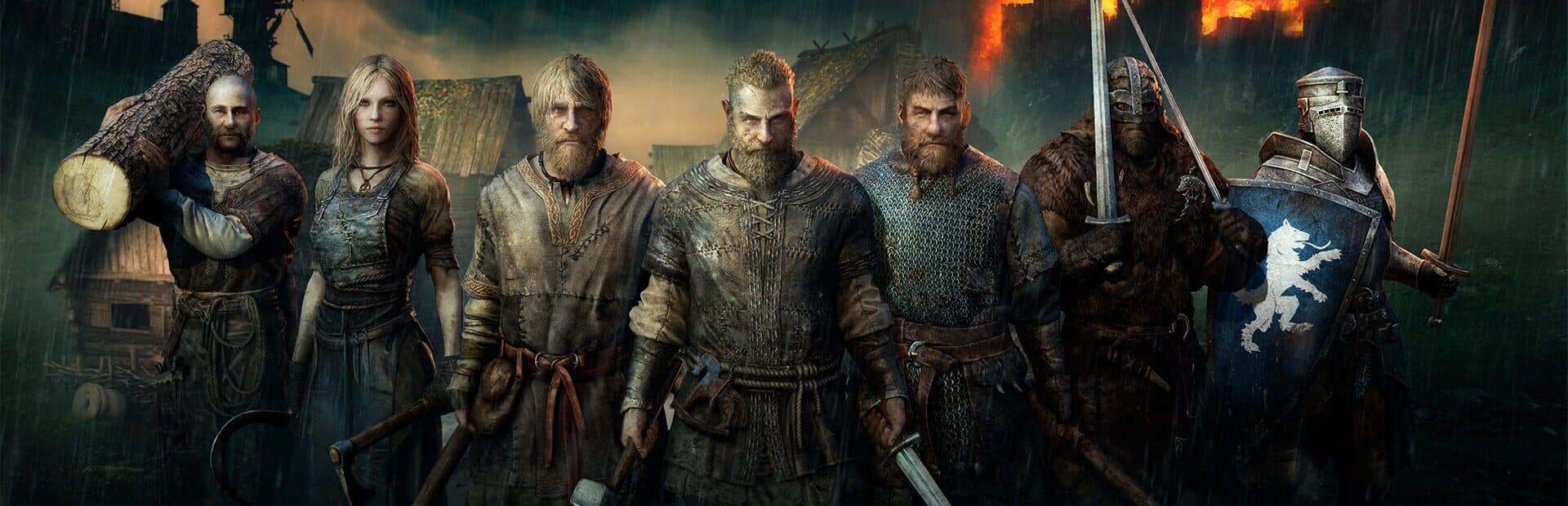
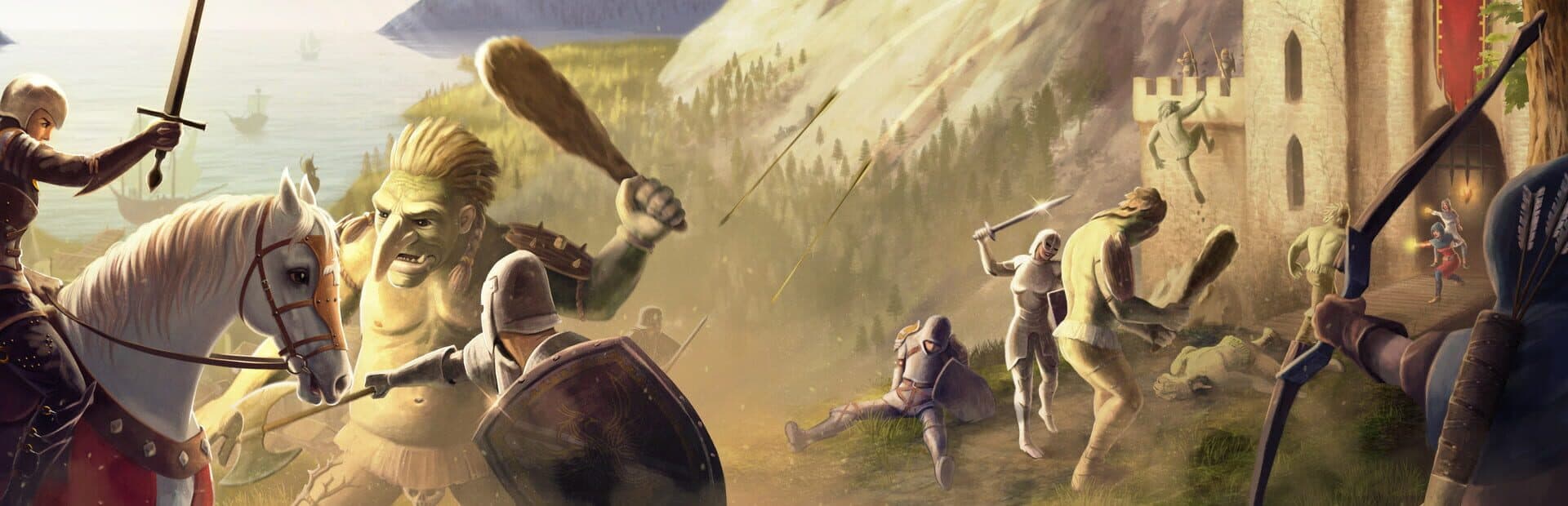
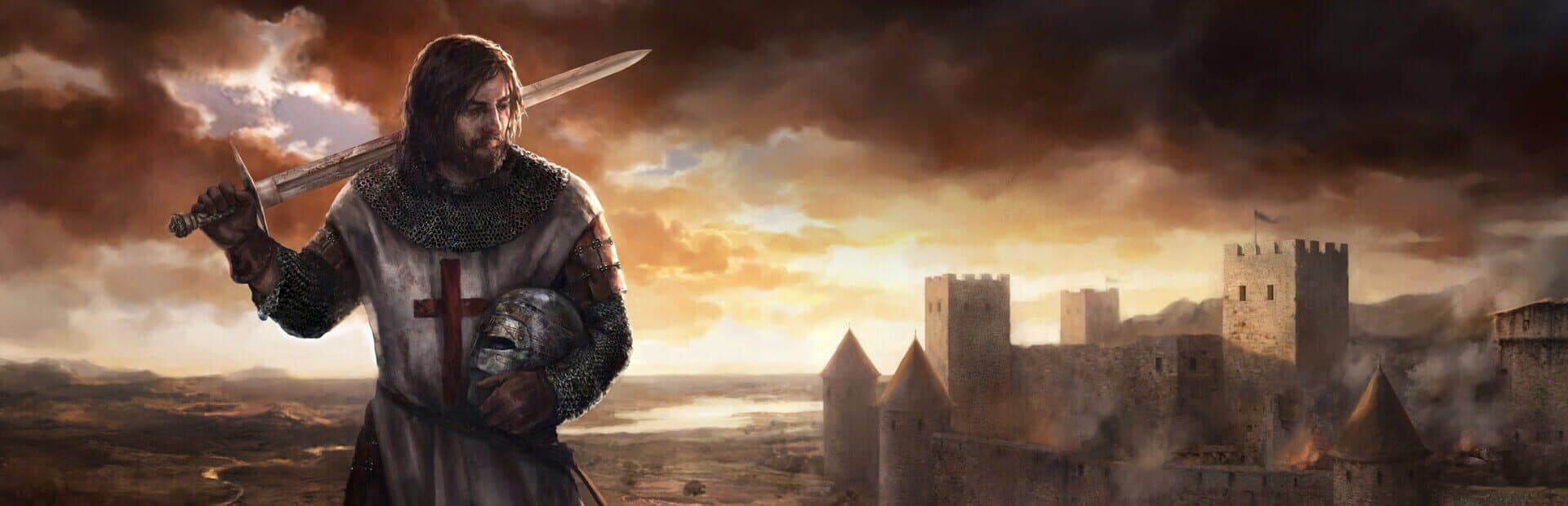
Reign of Guilds is a PvP sandbox MMORPG that makes no secret of its lineage: it looks far more toward Ultima Online and EverQuest than toward any modern MMO. It comes from Atlant Games, a very small indie studio based in Armenia, and drops you into a grim, magic-touched middle ages where almost everything that matters —the economy, the political map, who holds which castle— is decided by players. This is not a theme park walking you from quest to quest: it's a hostile world that lets you act, and just as readily lets you lose.
A world split by color
The core design idea is graduated risk. The map is carved into color-coded zones that tell you up front what you're walking into: from starter areas where you're all but safe to red and black open-PvP zones, where anyone can attack you and dying costs you part of the gear you're carrying. That bargain —better loot and better resources in exchange for the chance of losing everything— holds up everything else. Combat is non-target, with friendly fire on, so guild fights are won on coordination and positioning as much as on stats: a careless mage hurts his own side as badly as the enemy.
Trades, skills and a player-run economy
Progression doesn't run on conventional levels but on skills and trades: you improve what you practice. There are fourteen professions across gathering and crafting, and the crafting is genuinely deep —not a side minigame— because nearly all the gear you'll ever use comes from another player's hands. That makes the economy the game's second great system: the market, the prices and the supply chain are sustained by players themselves, and the constant attrition of gear lost to PvP deaths keeps demand alive. If you enjoy playing the artisan or the merchant, here that's a full career and not an accessory to combat.
Guilds, castles and sieges
The ceiling here is siege warfare. Guilds take and defend castles, and with them come taxes, territory, prestige and all the politics that follow: alliances, non-aggression pacts and betrayals at the worst possible moment. Siege windows are time-boxed so battles are discrete events rather than endless attrition, and there are castles designed to be permanently contested, always open to whoever wants a fight. There's also high-risk content aimed at top-progression characters, with islands that pair richer rewards with PvP that has no safety net. None of it makes sense solo: without a guild behind you, half the game simply doesn't speak to you.
What you pay for, and what you don't
The game is listed as free-to-play, but read the fine print. A free account gets you the starter island —roughly 30 to 50 hours of content— and then it stops: one character, no access to the mainland, no founding a guild, no cosmetics and higher taxes. To actually open the game up you have to buy an unlock DLC, with a cheap entry tier that still leaves restrictions in place and a considerably pricier one that removes the wall entirely; above those sit editions with extras. The premium currency, Zlaty, goes to cosmetics and convenience items (character slots, name and appearance changes) and to blocks of playtime, which you can also earn without spending by buying them from other players on the in-game currency exchange. The studio's position is that nothing in the store grants combat advantage, and so far that promise holds. Check current pricing and what each tier includes on the Steam page or the official site, since they change.
Where it stands today
Reign of Guilds left early access with its 1.0 release on November 26, 2025, complete with a full character and progress wipe, and kept getting patches afterward: quality-of-life work, quest markers, a rebuilt elixir system, siege-window adjustments and a major update adding a high-level island and a permanently contested castle. Cadence isn't the problem; scale is. Atlant Games lost its studio head, cut the active team down to two developers in a push for self-sufficiency, and merged all of its servers into one, with a stated plan to focus on balance, UX, anticheat and softening a difficulty curve many players consider artificially harsh. The flip side is population: we're talking a handful of concurrent players on Steam, far below its own historical peaks, and Mixed reviews sitting a little above 60% positive across roughly 1,400 opinions. It's a PvP world that often feels empty, and that colors everything else.
Who it's for
Reign of Guilds speaks to a very specific player: someone who misses sandboxes with real stakes, who treats crafting as a career, who wants their guild to hold actual territory and who accepts losing gear as part of the deal. For that player, it does things almost nobody else is attempting —and the starter island costs nothing to try. For everyone else, the warnings are serious: combat is stiff, the curve is harsh and poorly explained, the localization and interface show the seams of a tiny team, and above all very few people are online, which in a game whose content is other players is the root problem. This is a niche MMO from a studio barely holding on: worth watching with affection and measured expectations, knowing its future depends on a community that hasn't arrived yet.
Screenshots
Artworks
Videos
Community reviews
Nobody has reviewed this game yet. You can be the first.