About the game
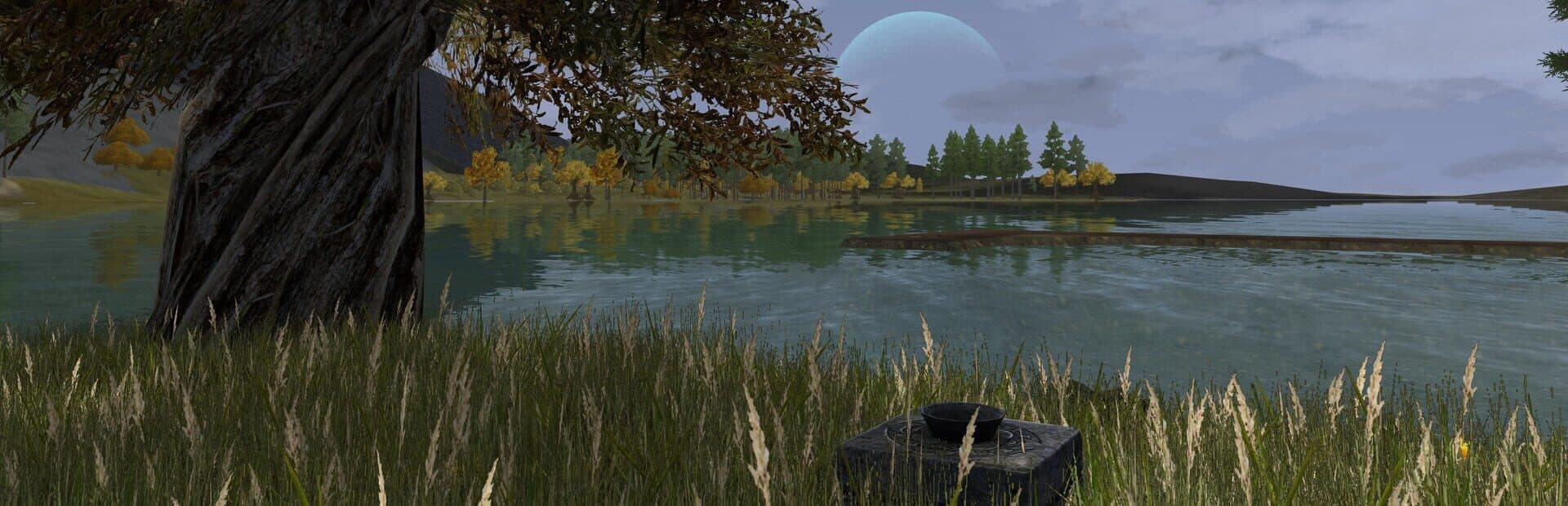
Wurm Online is a medieval sandbox MMORPG where almost everything you'll see — from a bridge to a walled town — was raised by other players, and can be torn down by them too. It isn't a world decorated for you to tour through: it's a world you shape by hand, persistent and instance-free, where the land you work stays marked forever. It sits far closer to a medieval life simulator than to an action MMO, and that's precisely the point.
A world players make — and unmake
Here you can fell forests, flatten hills, dig tunnels through mountains, raise a house, found an entire village and claim the land as your own. There are no classes or traditional levels: you progress through more than 130 uncapped skills, from blacksmithing, carpentry and masonry to farming, cooking and sailing. Each one rises as you practise it, and none is ever fully mastered. The result is an economy and an infrastructure held up by the community's actual labour: the smith really forges, the farmer really harvests, and the ship crossing the sea was built by someone, plank by plank.
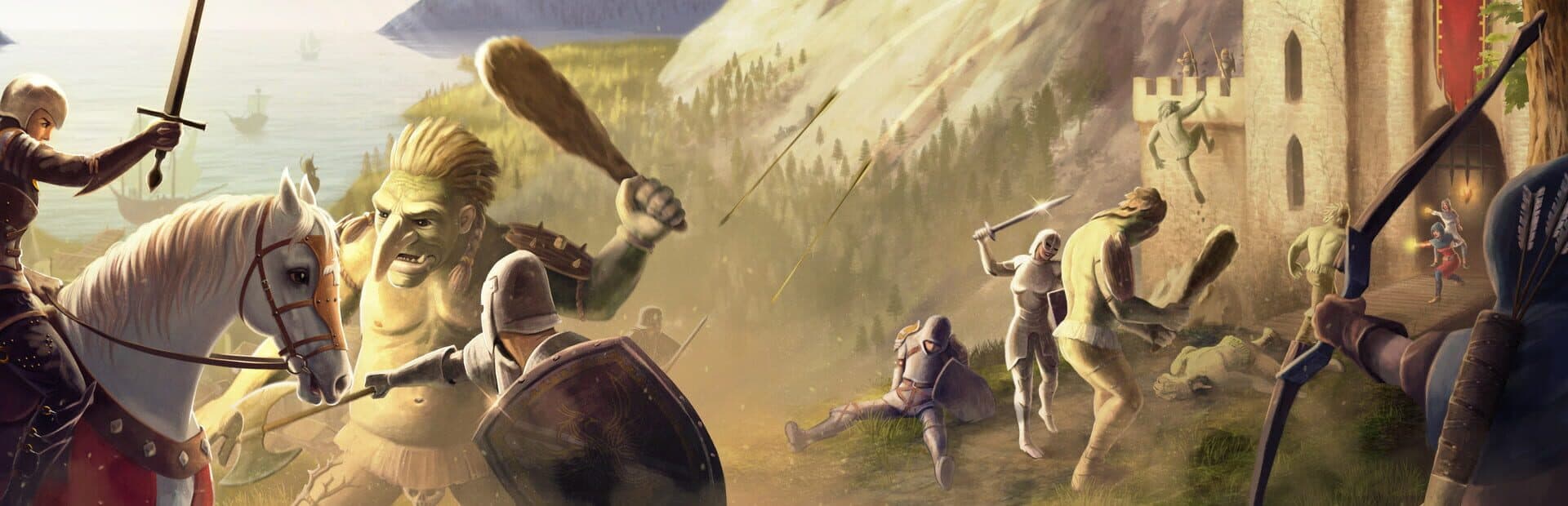
Survival matters too: there's hunger, hostile wildlife and changing seasons. And two faces coexist. On the PvE side you build a quiet life — until a bear ruins your day; on the PvP side, kingdoms wage war over territory. It's a slow, demanding game with a steep learning curve: it doesn't forgive impatience and won't hold your hand. In return it offers a freedom and a sense of leaving your mark that very few games in the genre can match.
What you pay for, and what you don't
Wurm is free-to-play with optional premium. The free account works as an indefinite trial, but it caps most skills at 20 (with a few exceptions, like faith, which reaches 30): it's enough to get a feel for the game, not to progress in earnest. For that you need premium, starting around €4 a month with the new-account bonus and dropping in price for longer terms; each character pays its own. Running alongside it is the silver economy: founding and maintaining a village (deed) costs silver plus a recurring upkeep, and that silver is bought from the official store or earned in-game. On Steam it's listed as free with in-app purchases; you can also play straight from the official site.
Where it stands today
It remains live and in active development by a small team, with frequent content, balance and fix patches — in 2026, among other things, a rewrite of the animation system and the seasonal Easter event. The population is modest and thinly spread: it typically hovers between a few hundred and around a thousand concurrent players depending on the hour, with peaks above 1,200 in late 2025. The world is split into PvE clusters (Freedom, home to servers like Xanadu**) and PvP (Epic)**; you can transfer your account between them whenever you like, though your skills and items don't travel with you — they stay intact on your origin cluster. On Steam the reception is mixed, with roughly 60% positive reviews — a fair mirror of a game that captivates whoever clicks with it and pushes away anyone chasing quick gratification.
Who it's for — and who it isn't
Wurm is for players who enjoy the process more than the reward: building slowly, specialising in a craft, watching a village grow season after season. If genuine sandboxes, deep crafting and persistent worlds with a community footprint appeal to you, it has few rivals. It's not for you if you want modern graphics, snappy combat or fast progression: the engine shows its age, the pace is deliberately slow, and the first hours can be baffling without a guide or a community to take you in. Developed by Swedish studio Code Club AB — whose roots famously tangle with Minecraft's creator — it's an oddity that has stood for over a decade for a reason: when it grabs you, nothing else quite compares.
Screenshots
Artworks
Videos
Community reviews
Nobody has reviewed this game yet. You can be the first.